


Custom Display Cases Back South American Ancient Civilization Exhibition: Punta del Este, Uruguay (Special Report) Recently, the “Echoes of Ancient Metal and Stone Artifacts: Ancient Civilizations of the Río de la Plata Basin Special Exhibition” at the South American Archaeology Museum in Punta del Este, a small coastal city in southeastern Uruguay, has garnered attention. What’s little-known is that the “unsung hero” behind this exhibition is a batch of customized museum display cases from China, which overcame supply chain challenges in this remote region to build a “modern protective wall” for South America’s ancient cultural relics.
“Cultural Relic Protection Anxiety” in a Remote Museum
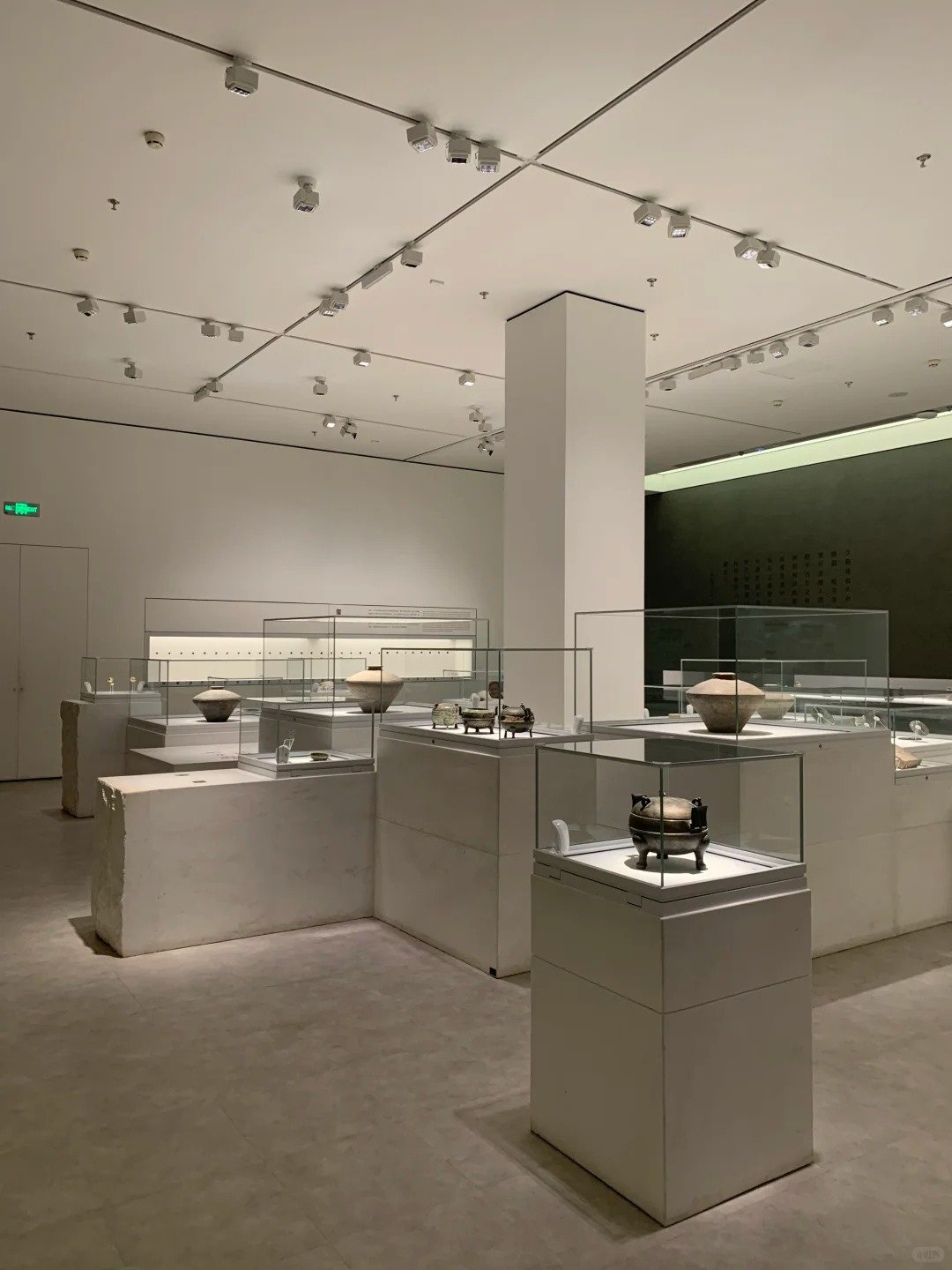
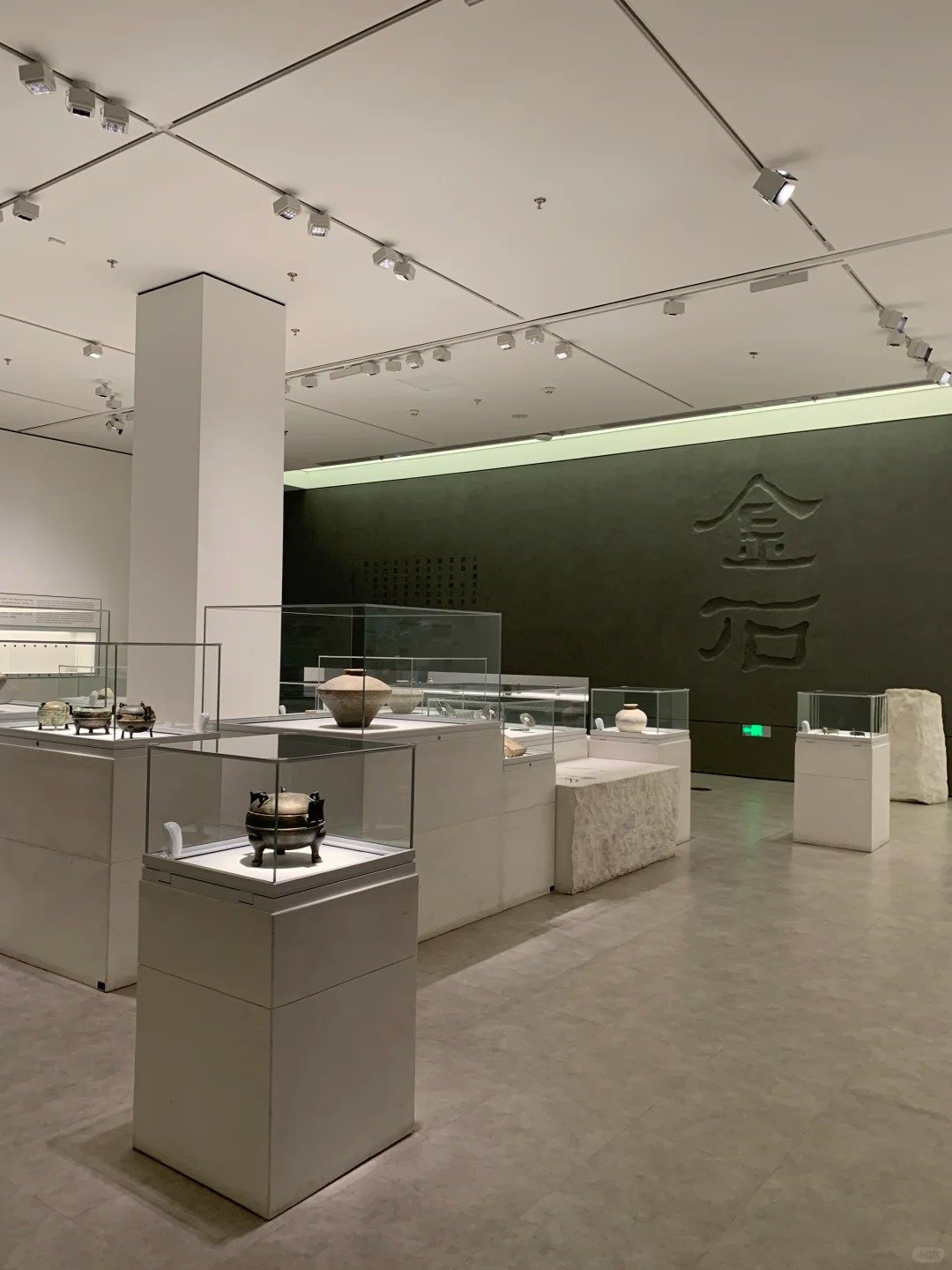
Juan Pérez, director of the South American Archaeology Museum, noted that the museum is located in an old coastal building in Punta del Este. Our remote location makes it difficult to access professional cultural relic display case resources. This special exhibition features over 50 core relics, including 3rd-century BC Guarani pottery jars and Charrua tribal inscribed stone carvings. These relics are extremely sensitive to temperature, humidity, and light, and some have unique shapes—only well-tailored Custom Display Cases could meet their dual needs of protection and display, while conventional display cases simply can’t.
After struggling with local South American suppliers (who offered low customization and long delivery times), Pérez’s team discovered a Chinese enterprise specializing in Custom Display Cases for museums at an international cultural heritage forum. “We were drawn to their expertise in relic protection technology and their grasp of modern exhibition aesthetics,” Pérez explained.
Custom Display Cases: A Dialogue Between Modern Design and Ancient Civilization
Centered on the theme of “ancient metal and stone culture,” these custom display cases showcase three key features:
- Relic-Level Protection: They use 99% UV-filtering high-transparency glass and an IP65-rated airtight sealing structure to keep relics in a stable microenvironment. For fragile pottery jars, shock-absorbing buffer layers are integrated inside.
- Minimalist Aesthetic Presentation: With matte white metal and transparent glass, the cases blend seamlessly with the museum’s modern-minimalist style. Track-mounted precision lighting highlights details like pottery patterns and stone inscriptions for visitors.
- Customized Adaptation: Based on each relic’s size and shape, the team created a layout of independent + combined display cases—tall island cases for large jars, layered low cases for small stone carvings, ensuring every relic “finds its perfect spot.”
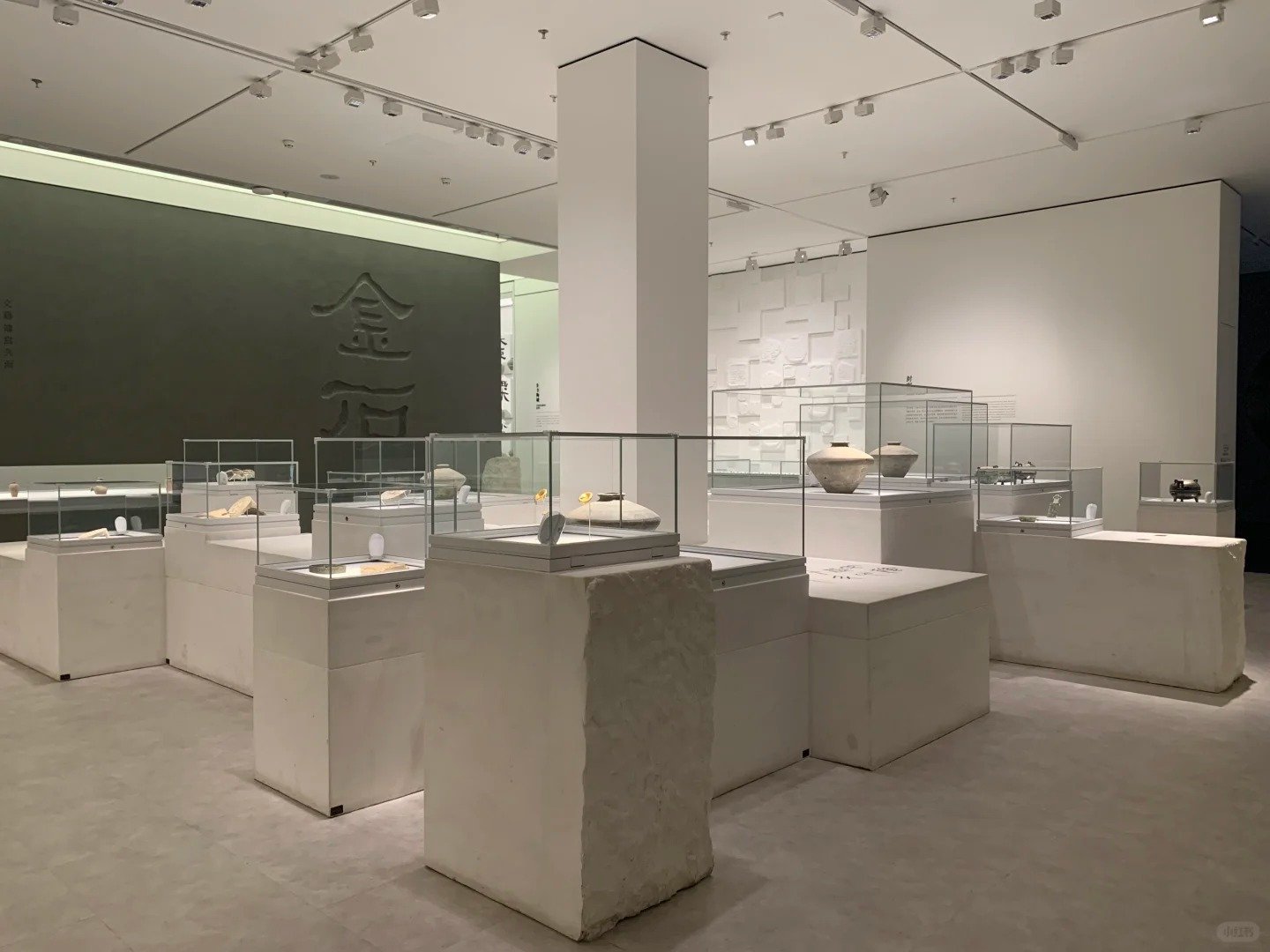
Praise for Efficient Delivery and Professional Service
The entire process, from demand communication to final delivery, took just one and a half months. “We were shocked by the efficiency, especially given the high level of customization,” Pérez said. The Chinese team’s model of prefabricated core modules + rapid design iterations shortened the timeline, ensuring the exhibition opened on schedule.
Post-delivery, the Chinese team also provided on-site installation guidance and operation training, helping museum staff master maintenance and usage. “Their after-sales team promises 24-hour emergency response—this gives us confidence in long-term relic protection,” Pérez added.
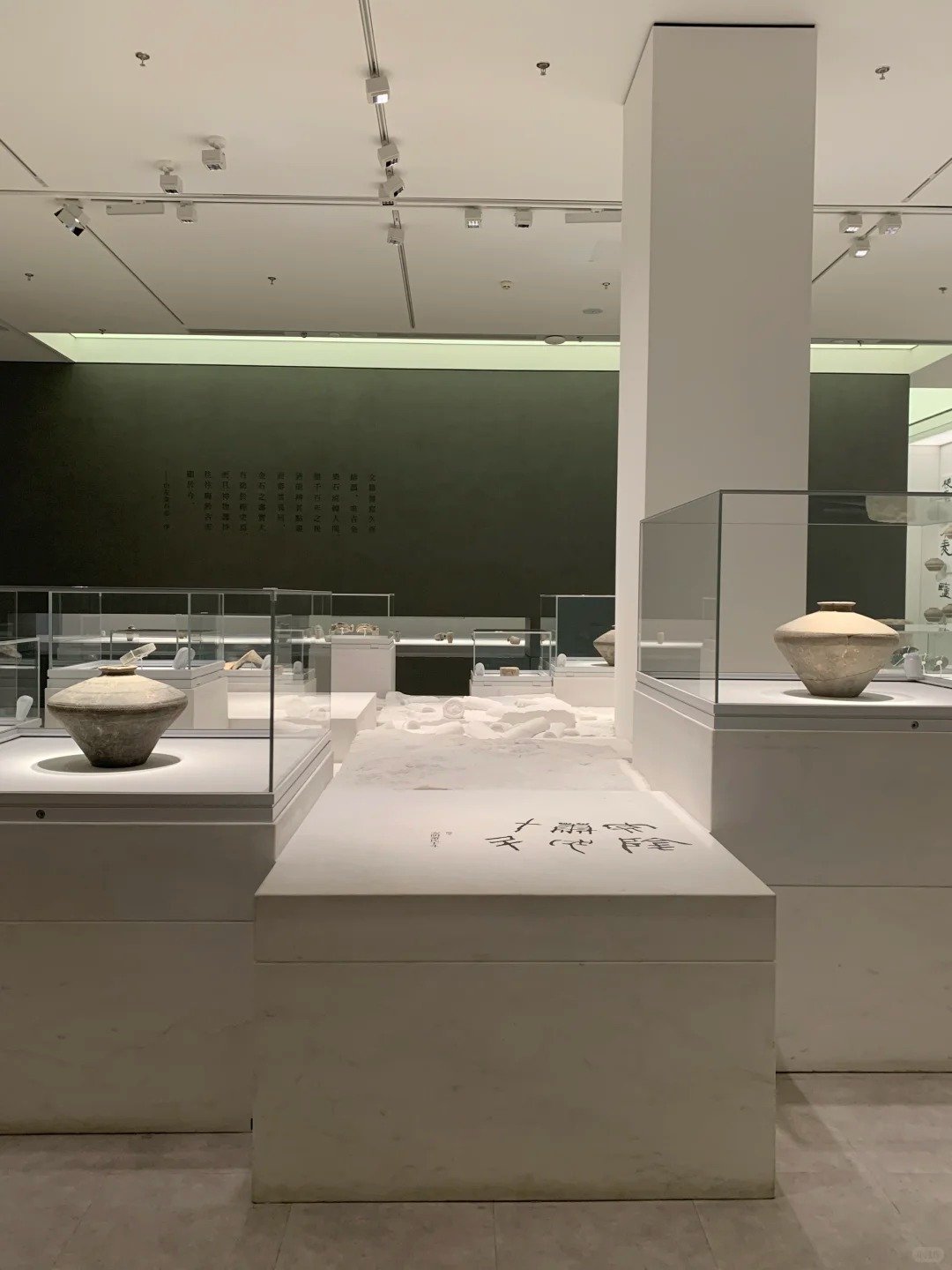
Display Cases Empower: Ancient Relics “Come Alive” in the Modern Era
Since its opening, the “Echoes of Ancient Metal and Stone Artifacts” exhibition has attracted over 50,000 visitors. Many visitors noted that the display cases allow them to “appreciate the relics up close without distractions.” Juan Pérez, director of the South American Archaeology Museum, commented, “Our museum is located in Punta del Este, Uruguay. Due to its remote coastal location, we have long faced difficulties in accessing professional cultural relic display case resources.
However, this batch of Custom Display Cases from China not only accurately addressed the dual needs of cultural relic protection and display, but also is far more than just a ‘protective shell’—they are true ‘cultural bridges.’ They enable the 2,000-year-old Guarani pottery jars and Charrua tribal stone carvings to communicate with modern audiences in a clear and vivid way, and that is the core significance of museum exhibitions.”
Currently, the museum has officially planned to launch a long-term cooperation with the Chinese team. Next, it will carry out a comprehensive upgrade of the display cases in its permanent exhibition halls, allowing more relics of ancient South American civilizations to continue conveying the value and warmth of civilization to the public under the protection of professional Custom Display Cases.