


Selecting appropriate framing materials for museum display cases is fundamental to ensuring the safe and stable exhibition of artifacts. In the industry, rectangular tubes are typically used for the main load-bearing framework, while high-quality cold-rolled steel sheets are employed for constructing the cabinet body, shelves, and other structural components. The material specifications and standards are defined as follows in accordance with industry requirements:
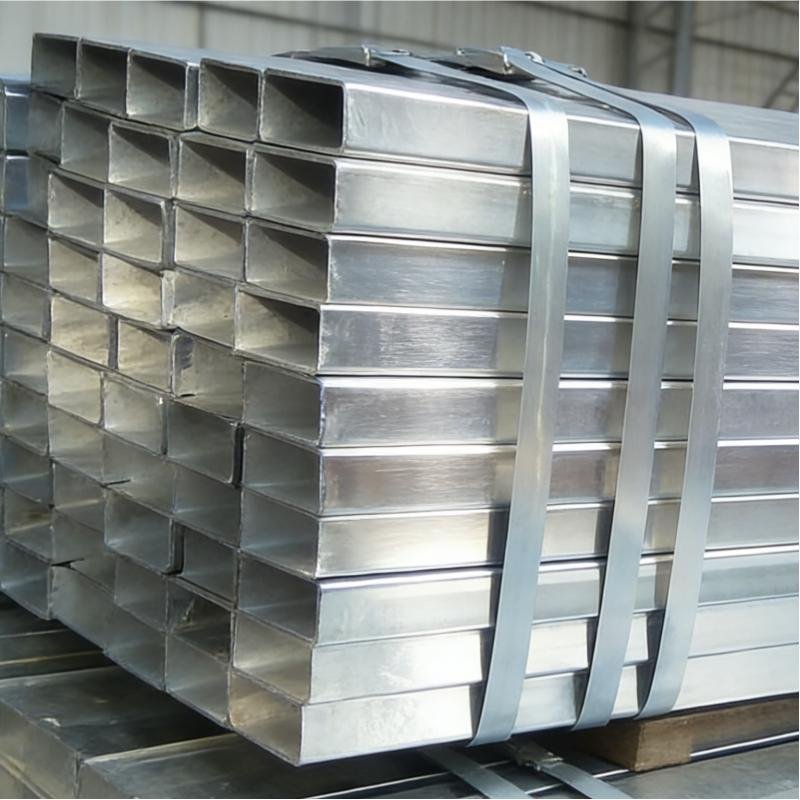
Rectangular Steel Tube
- Wall thickness ≥ 2.0 mm, with main beams and load-bearing sections often reinforced to 2.5–3.0 mm.
- The structure is stable, featuring a bidirectional equivalent cross-section with strong load-bearing capacity.
- Precise saw cutting is applied, and welding is performed using CO₂ shielded arc welding.
- Stress relief is achieved through vibratory stress relief treatment after welding to prevent deformation.
- After overall anti-rust treatment, exposed sections are typically spray-painted in coordination with the overall design.
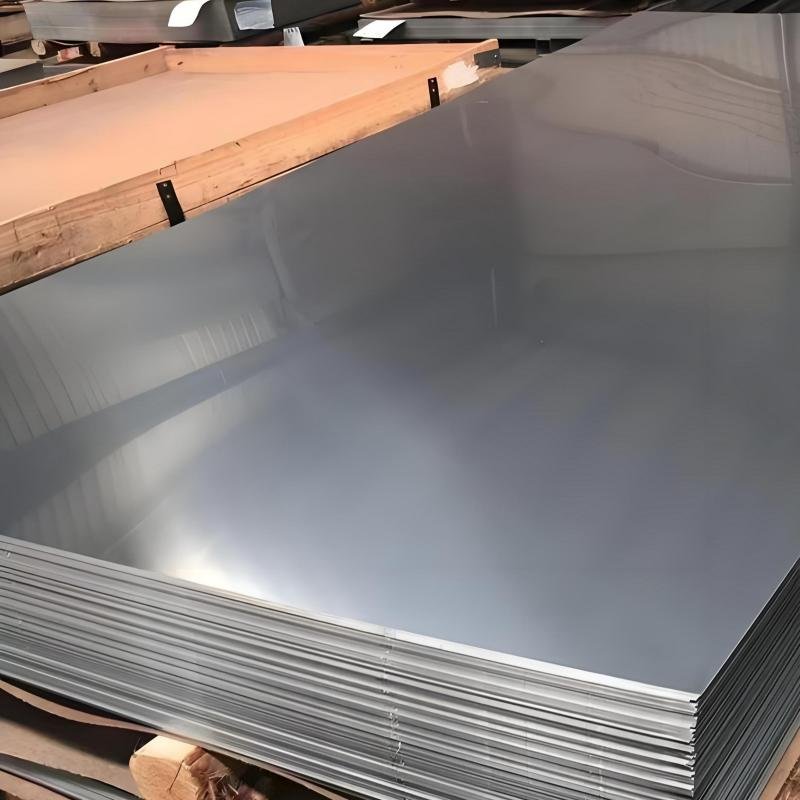
Cold-Rolled Steel Sheet
- Cover plates/shelf plates: 1.0 mm – 1.5 mm
- Tensile strength typically required ≥ 425 MPa, lower yield strength ≥ 276 MPa
- Treated with rust protection; high-quality requirements include passing corrosion resistance tests of up to 1050 hours
- Electrostatic powder coating or fluorocarbon coating is applied, ensuring uniform coverage with a gloss level ≤ 30 GU, providing a visually neutral and durable finish
- Special sealant and silicone gaskets are used at cabinet joints to ensure overall airtightness (air exchange rate can reach ≤ 0.2 times/day)
Rectangular tubes and cold-rolled steel sheets form the cornerstone of a systematic cultural heritage conservation solution. The combination of these two materials endows display cases with century-grade durability and stability, micrometer-level precision control, as well as sealing and protective performance that exceed industry standards. Together, they establish the first robust line of defense for the safety of cultural artifacts.