


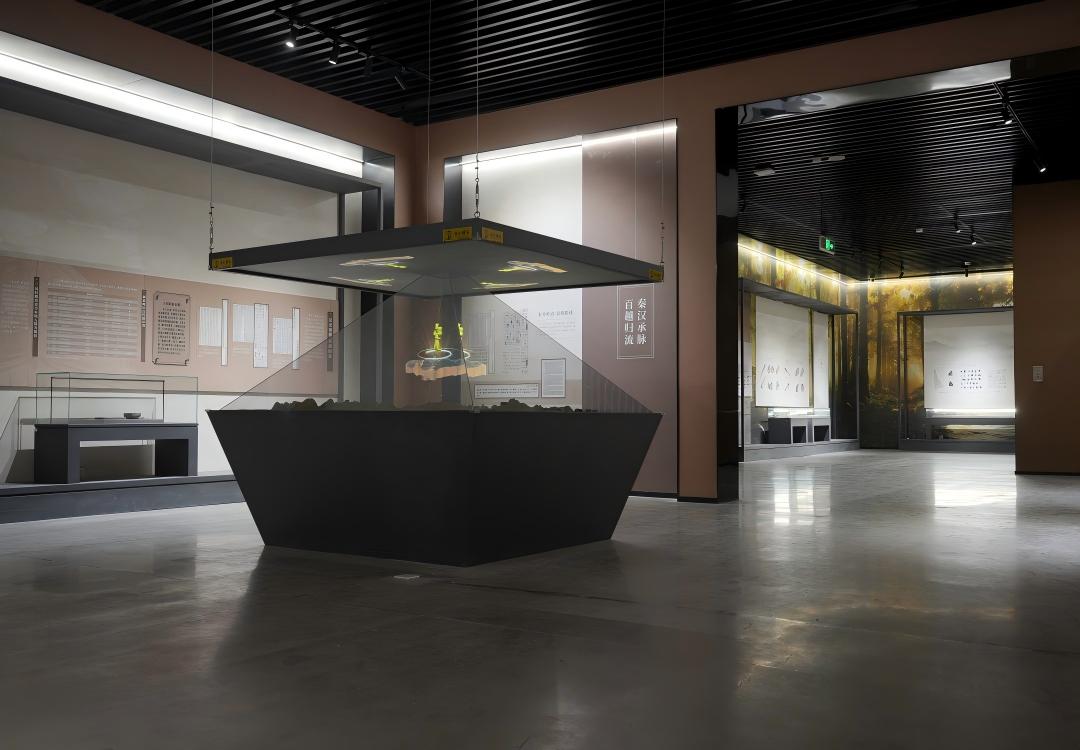
I have spent twenty-one years on the shop floor of a custom showcase plant, and the most predictable failure point in a museum build has nothing to do with design vision. It happens at final site acceptance, when a sleek rendering meets engineering reality. Design firms sketch ultra-minimal vitrines with no mullions; installed, the glass doors sag, gaskets fail to compress evenly, and internal relative humidity swings outside the +/- 2% RH band conservators demand. For curators, exhibit contractors, and the cultural institutions that steward history and culture, sourcing museum collection display solutions is not furniture procurement – it is structural mechanics, photochemical conservation, and verifiable environmental containment. At Museo, we build from the fabrication floor up.
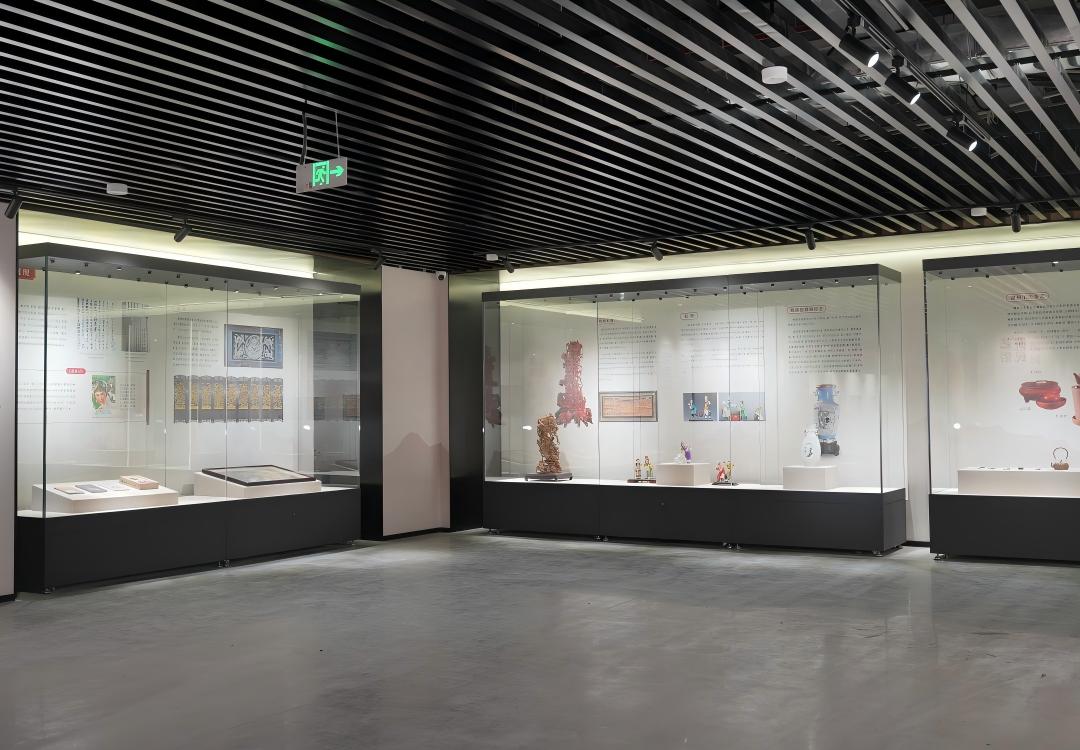
Why do commercial vitrines collapse under museum collection display solutions standards?
Most off-the-shelf display cases look acceptable under showroom lighting. They fail fast in high-traffic galleries. The flaw is frame rigidity and material chemistry.
Commercial vitrines run on lightweight aluminum extrusions pinned with cheap corner brackets. Under continuous structural load – or the moment a visitor leans against the glass – the subframe flexes. That micro-deflection unseats the peripheral gasket, pushing the Air Exchange Rate (AER) past conservation limits. An unsealed case leaking faster than 0.5 exchanges per day destroys passive relative humidity control outright. Gallery technicians swap silica gel cassettes every few weeks instead of twice a season, and any climate control logic in the base becomes theatre.
Worse, and here I get blunt: off-the-shelf composite panels, wood and laminate sheets, and quick-cure RTV silicones off-gas volatile organic compounds. In a sealed case, acetic acid and formaldehyde accumulate. Over a 28-day window these pollutants tarnish historic silverware, reduce lead artifacts to powder, and yellow ancient paper manuscripts irreversibly – damage from materials no one tested. I will not sign off a build using untested composites inside the artifact chamber. Protecting artifacts starts at material chemistry, not at the glass.
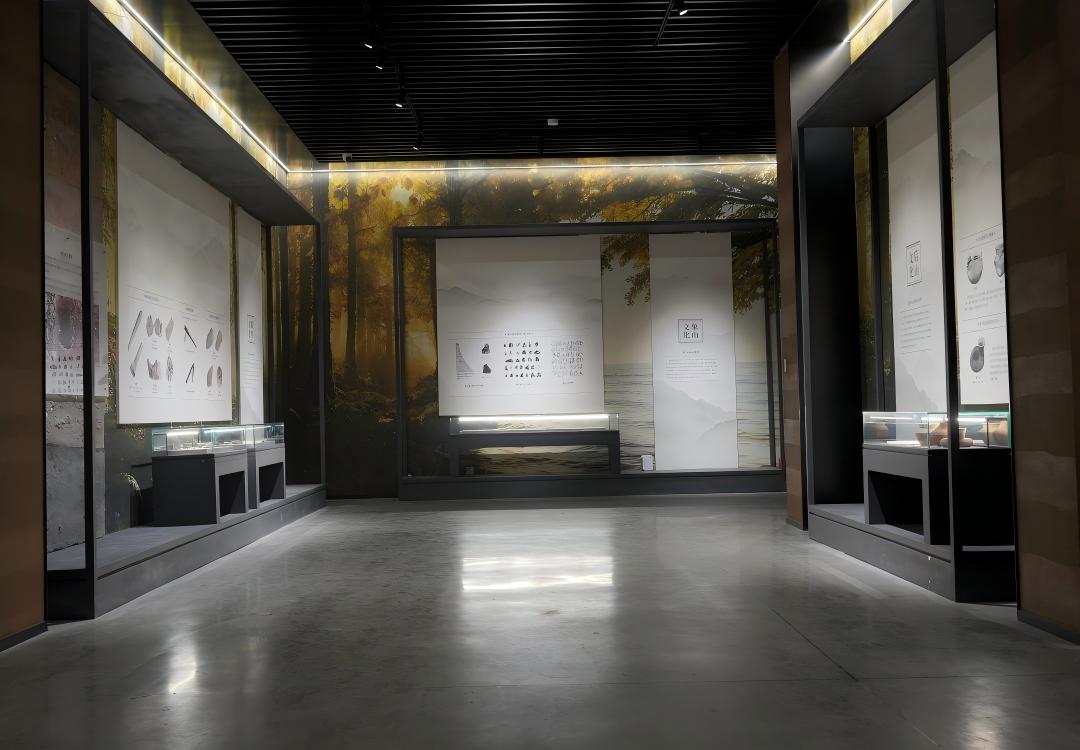
How do we engineer frame stability and glass alignment across varied display case form factors?
Visual continuity across a multi-room gallery means engineering different case types onto a shared structural logic. When our team reviews exhibition design drawings, we break vitrine mechanics down by load path and operational access – and we customize every subframe to meet the specific requirements of the objects within.
Freestanding vitrines. To reach 360-degree unobstructed views without thick corner posts, we weld subfloor structural steel bases from heavy-gauge tubing. The upper glass box runs mitered 45-degree glass-to-glass joints bonded with UV-curing adhesive, cured at 365nm – a self-supporting glass canopy holding lateral push forces up to 1.5 kN without distortion.
Wall-mounted cases. Wall vitrines fight cantilever torque. We fabricate internal steel gussets and heavy-duty sliding track anchored into gallery masonry. Opening mechanisms run pantographic hinges or motorized linear actuators, so heavy glass doors open parallel to the wall without gouging adjacent panels.
Pedestal display cases. For a single focal artifact, floor vibration from gallery footfall is the real hazard. We integrate anti-vibration dampening plates beneath the artifact mounting plinth. Acrylic risers add height when a curator needs vertical layering; an acrylic box with UV-absorbing additives can serve as a lightweight top for temporary exhibits, if the acrylic matrix is spec’d correctly.
Modular display cases and zone display cases. Dynamic schedules demand easy reconfiguration. We build modular units with concealed structural aluminum joinery and overhead track guides, so technicians can reconfigure interior shelving or partition a large zone case without breaking the perimeter gas-tight seal.
Our fabrication workshop at Museo holds machining tolerances within +/- 0.5mm across 3-meter spans. That makes glass seams align seamlessly across adjacent cases and gives a gallery its cohesive look.
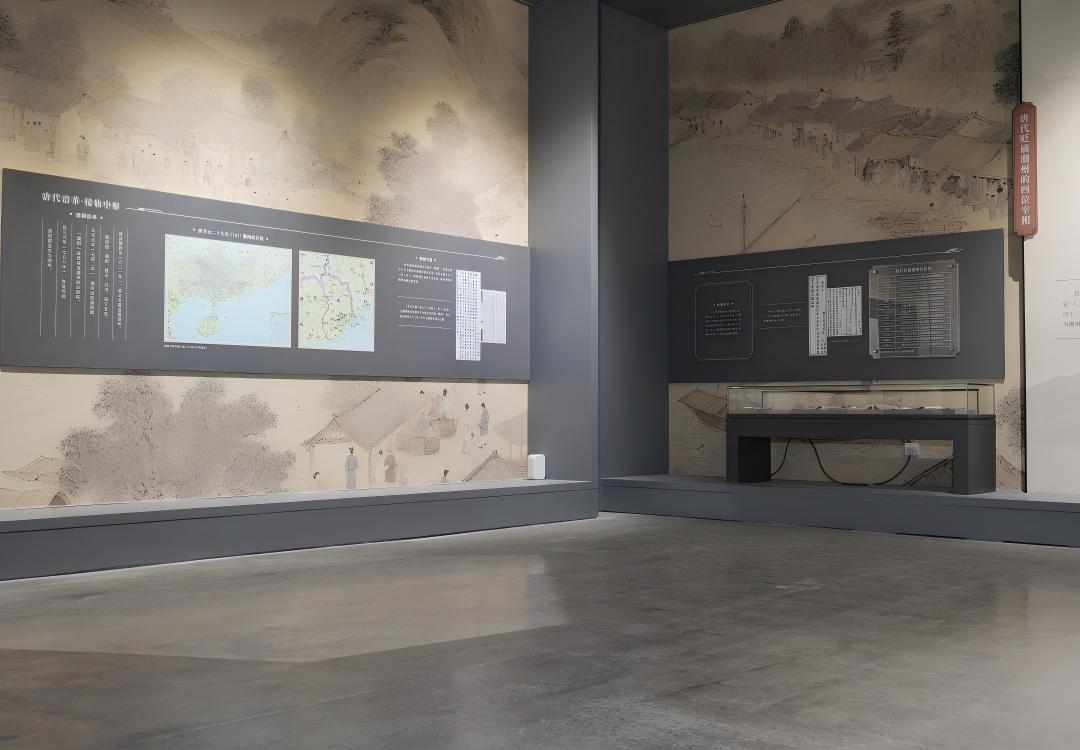
What microclimate and optical metrics are non-negotiable for factory acceptance?
When a museum procurement officer inspects a custom case before dispatch, they should demand verifiable test data, not verbal assurances. Our QA/QC department runs four mandatory shop-floor tests on every sealed vitrine – systems designed to protect what matters.
Tracer gas decay testing measures AER. We inject CO2 into the sealed case and monitor concentration decay over 24 hours with non-dispersive infrared sensors. A conservation-grade case must show an AER below 0.05 exchanges per day under neutral pressure; looser, and RH control is illusion.
Optical glazing inspection is next. Glass must be low-iron ultra-clear laminated glass – say 4mm + 1.52mm SGP + 4mm – with double-sided magnetron-sputtered anti-reflective coating. Standard float glass reflects up to 8% of ambient light and throws glare under gallery spotlights. Magnetron AR coatings cut reflectance below 0.9%, making the glass nearly invisible, letting visitors view from every angle while keeping color rendering index at Ra >= 97.
Photochemical protection matters as much as optics. The PVB or SGP interlayer must block at least 99.5% of UV between 300nm and 400nm. Built-in LED lighting engines sit in external ventilated compartments with zero heat transfer into the artifact chamber, and output dims via PWM to 50 lux for light-sensitive textile and organic media.
Security locks close the loop. High-value collections get Abloy EN 1300 Grade 3/4 mechanical cylinders with key-retaining features, or concealed dual-solenoid electronic locks tied into the gallery’s security system.
How does a dual-chassis design protect artifacts during digital projection?
Integrating digital displays into physical vitrines is fashionable, and done well it can enhance the visitor experience and let the case become part of the experience. Standard projection setups introduce serious thermal risk. Projectors generate localized heat loads; mounted inside a standard case, internal temperature climbs 5 to 10 degrees Celsius, relative humidity drops, and organic artifacts take the thermal shock.
Our R&D team engineered a dual-chamber structural chassis. The Tiered Double-Layer Integrated Projection Display Case separates the optoelectronic engine from the conservation vitrine. The lower base cabinet holds forced-air cooling channels and precision optical projection lenses, venting heat through concealed floor plenums. The upper display area stays a 100% hermetically sealed glass vitrine.
Using optical beam-splitters at precise angles, the Tiered Double-Layer Integrated Projection Display Case overlays high-definition digital animations – ancient script restoration, 3D structural overlays – onto the artifact’s visual plane. Curators get an immersive, interactive experience; the exhibited items stay inside their conservation envelope.
FAQs
Q1: What is the ideal Air Exchange Rate for museum-grade showcases housing organic artifacts?
For organic collections – silk, paper, wood, leather – the target AER sits below 0.05 exchanges per 24 hours. That holds RH within +/- 2% using passive silica gel trays for up to 12 months without service.
Q2: How do you prevent construction materials from off-gassing inside sealed vitrines?
Every internal material – adhesives, paints, gaskets, fabric linings, mounting boards – undergoes a 28-day Oddy Test at 60 degrees Celsius. Only materials causing zero tarnish on copper, silver, and lead coupons clear assembly.
Q3: Why is magnetron anti-reflective glass superior to standard low-iron glass for exhibition display?
Standard low-iron glass removes the green tint but still reflects about 8% of room light. Magnetron-sputtered AR glass drops ambient reflection below 0.9% and blocks over 99.5% of UV, giving visitors an immersive experience with crystal-clear angles.
Q4: How do pantographic hinges improve accessibility on large wall display cases?
Pantographic hinges let heavy glass doors – 150 kg or more – pop forward slightly before swinging parallel to the wall frame. That prevents edge binding, enables single-operator opening, and keeps 360-degree gasket compression even on closure.
Q5: Can active microclimate climate control units be retrofitted into existing freestanding or pedestal showcases?
Yes, if the lower base plinth has sufficient dimensions – minimum 450mm x 400mm x 250mm – and adequate ventilation grilles. The unit connects to the upper vitrine through concealed ducts with HEPA filtration and acoustic dampening, letting permanent installations adapt to environmental changes without replacing the showcase.