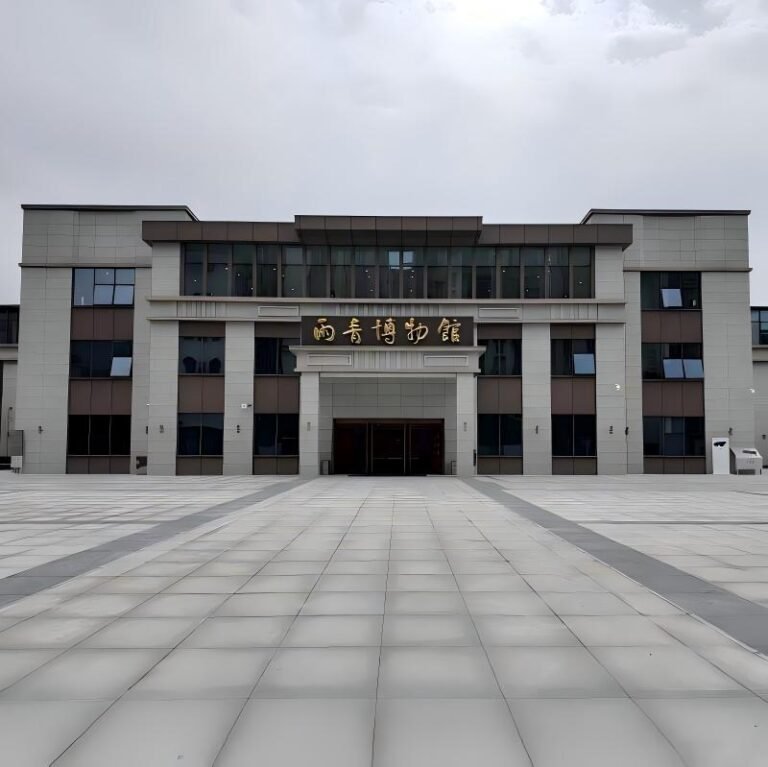
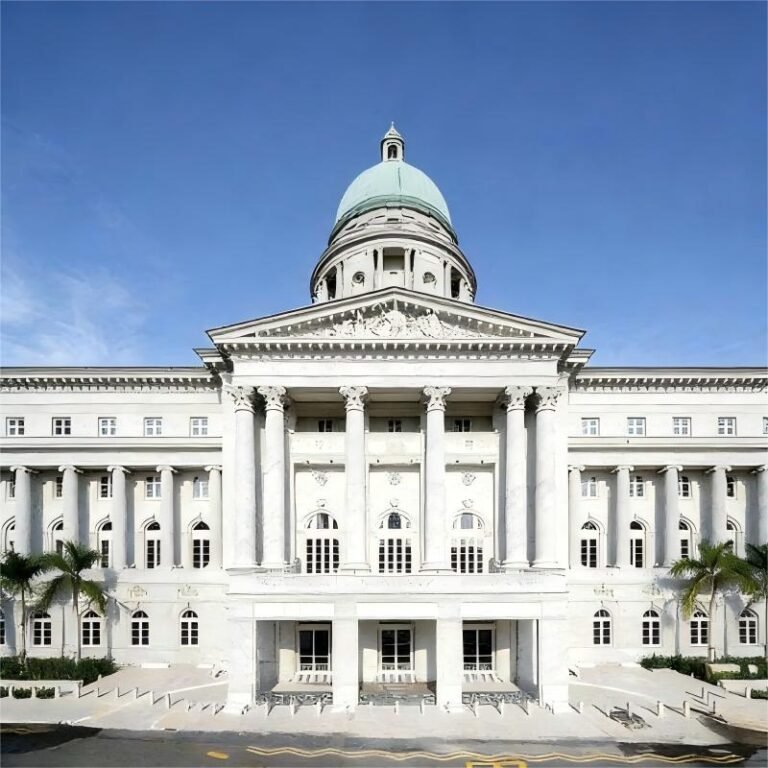
Museum of Far Eastern Antiquities
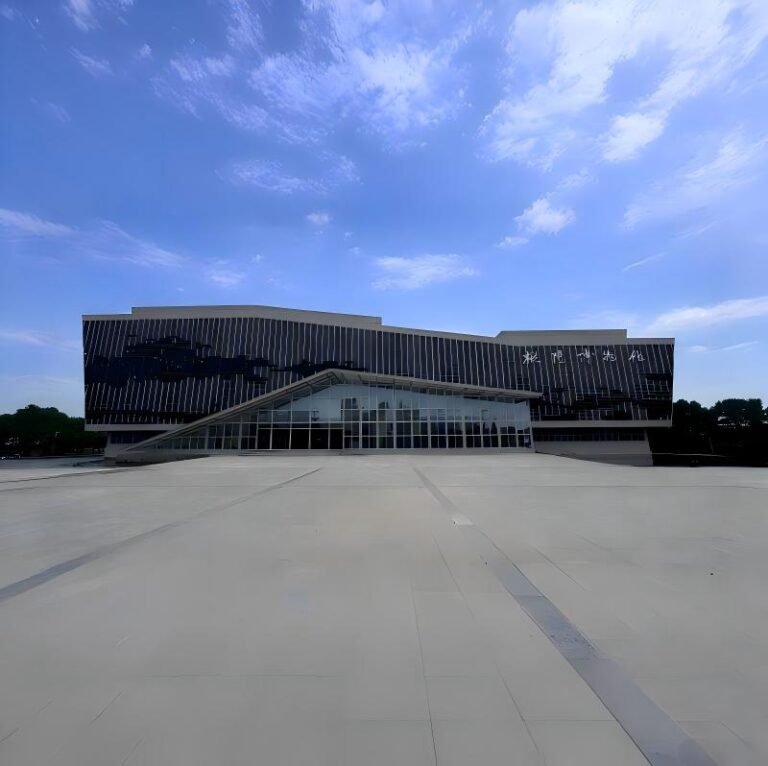
Stockholm, Sweden 2025.10
The core theme of the Museum of Far Eastern Antiquities in Sweden can be summarized as: “A Dialogue Across Time and Space of Asian Civilizations – From Prehistoric Archaeology to Contemporary Art.” The museum’s focus is not limited to China,it also encompasses the art of Japan, Korea, India, and Southeast Asia. From the painted pottery of the Yangshao culture to the lacquerware of the Edo period, each object that spans millennia seeks a dialogue with contemporary audiences.

The Museum of Far Eastern Antiquities in Sweden was founded in 1926 and is one of Europe’s most authoritative institutions for the study and exhibition of East Asian cultures. Its collection is based on the groundbreaking discoveries made by Swedish archaeologist Johan Gunnar Andersson at the Yangshao culture site in China. In order to better preserve the museum’s precious collection of ancient Chinese bronzes, porcelain, and silk textiles, as well as to enhance visitors’ immersive viewing experience, the museum has initiated a new phase of permanent gallery upgrades and building structure reinforcement.
After we complete the project, the Museum of Far Eastern Antiquities in Sweden has the following plans for the future: First, a comprehensive modern reopening and a complete renovation of its permanent exhibitions. Second, the advancement of the “Digital Asset Enhancement” project, which includes 3D scanning of the collection and the creation of high-resolution digital archives. Finally, enhancing the transparency of the “research museum” by revealing some of the behind‑the‑scenes work to the public.
The total floor area of the Museum of Far Eastern Antiquities in Sweden is approximately 5,000–6,000 square meters. The museum has three main levels of exhibition space (including an underground special exhibition area, a ground floor permanent exhibition hall, and a second‑floor research/library area). The total collection exceeds 100,000 objects, of which about 3,000–5,000 selected artifacts are on long‑term display.
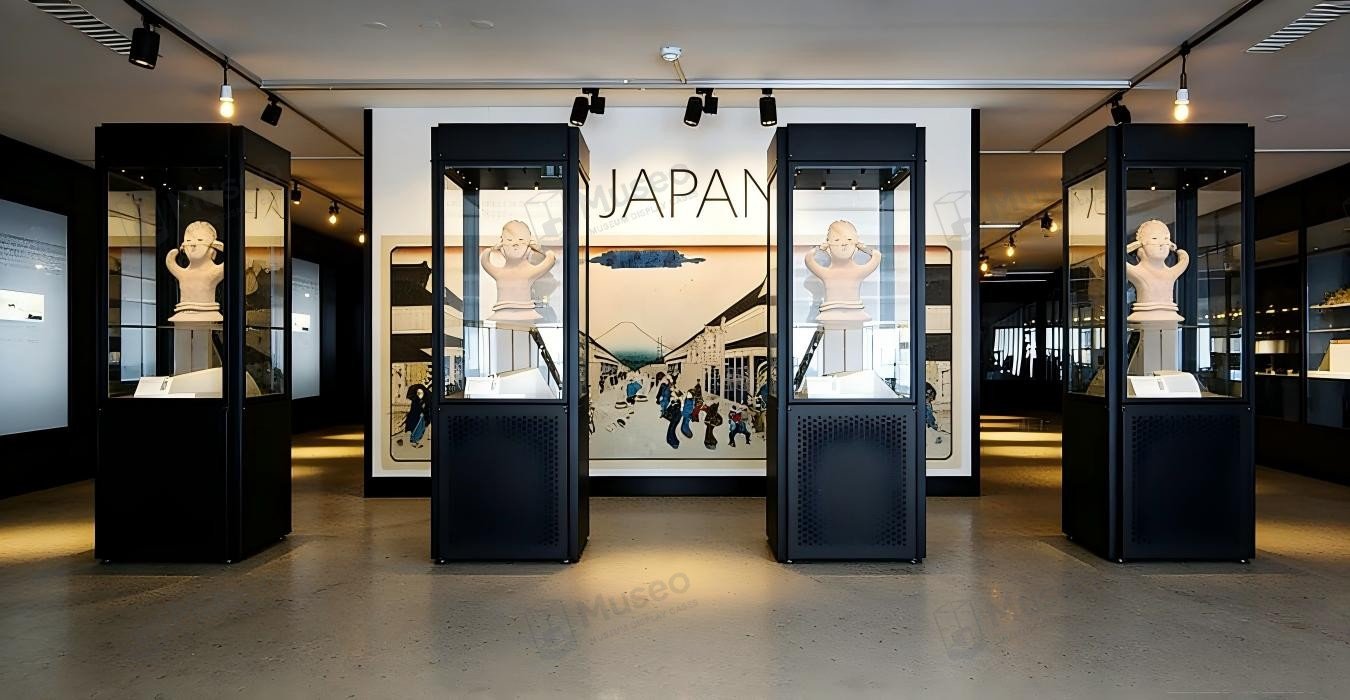
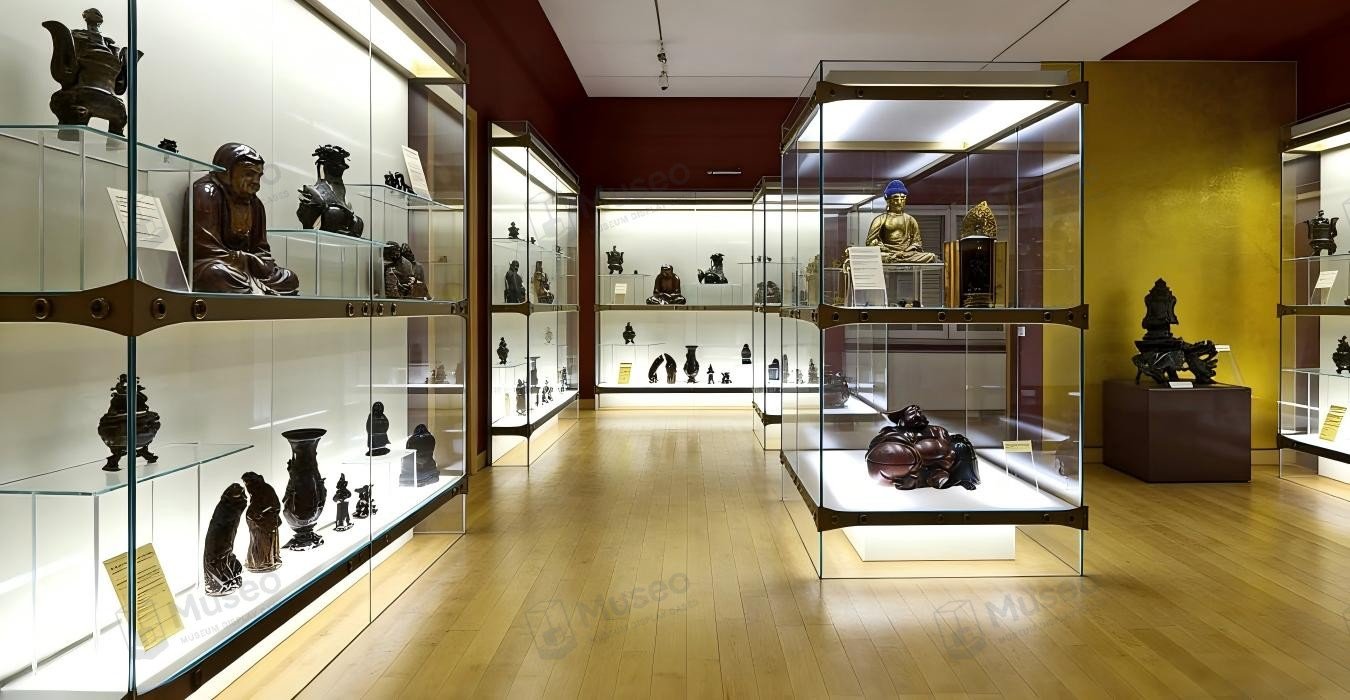
For ancient metal sculptures and crafted artifacts, we adopted wall‑mounted multi‑tier continuous museum quality display cabinets. The continuous layout features multi‑layer glass shelves for tiered presentation, suitable for the batch display of multiple small‑sized objects of varying dimensions. By using staggered shelves at different heights, we maximize the use of vertical space while ensuring comfortable eye‑level viewing for visitors.
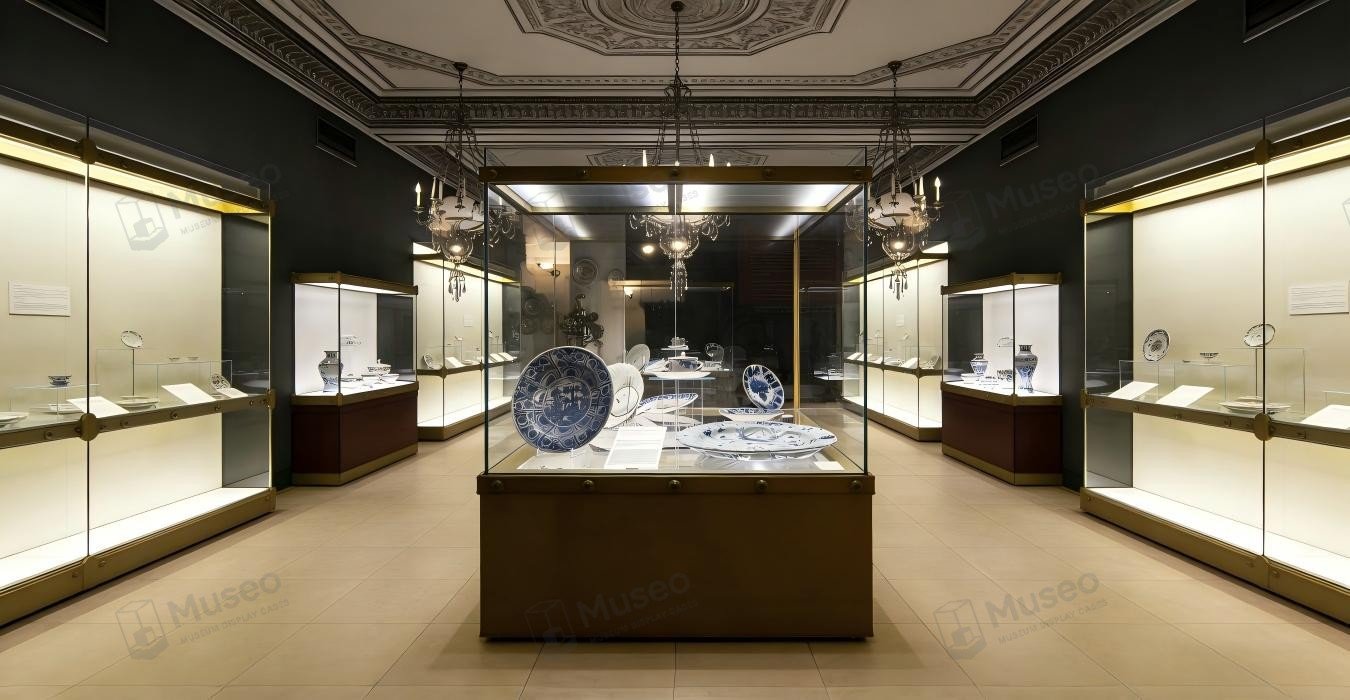
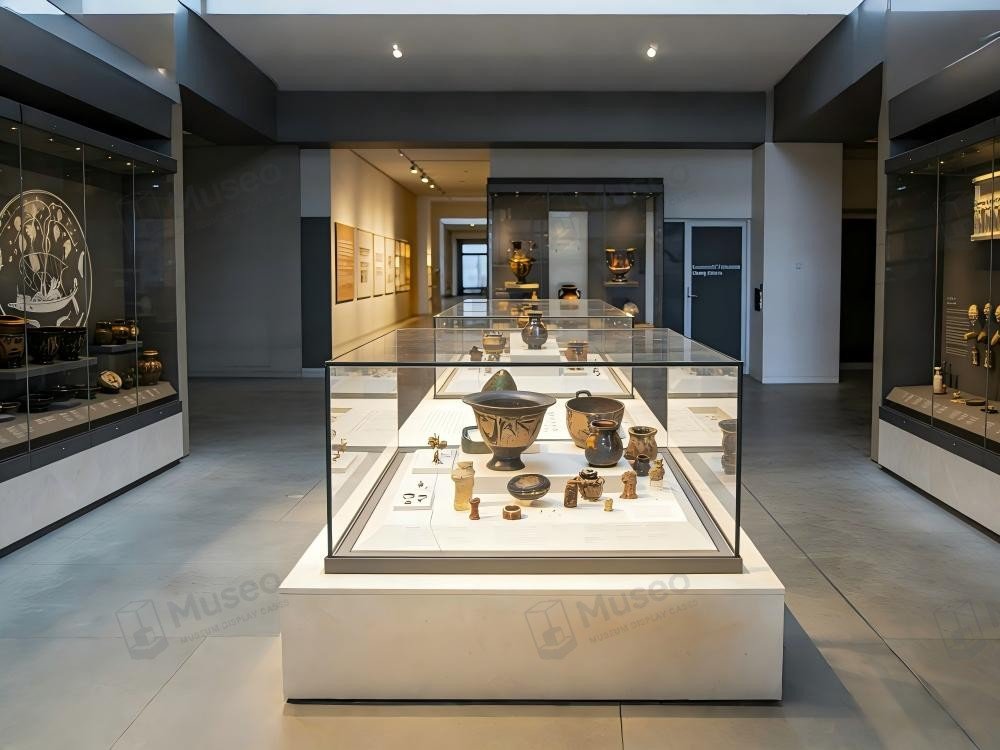
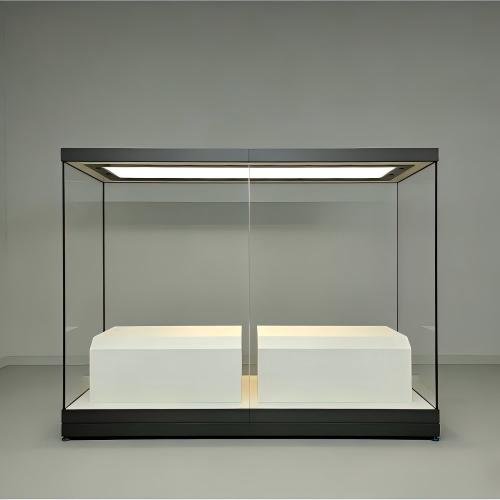
For blue‑and‑white porcelain, we adopted freestanding island‑style panoramic museum quality display cabinets. Designed to be placed independently in the center of the gallery, they are paired with white display pedestals of varying heights, allowing visitors to appreciate the details of the blue‑and‑white porcelain from a 360‑degree perspective. The unobstructed all‑glass structure maximizes the presentation of the objects, while tiered display distinguishes pieces of different sizes.
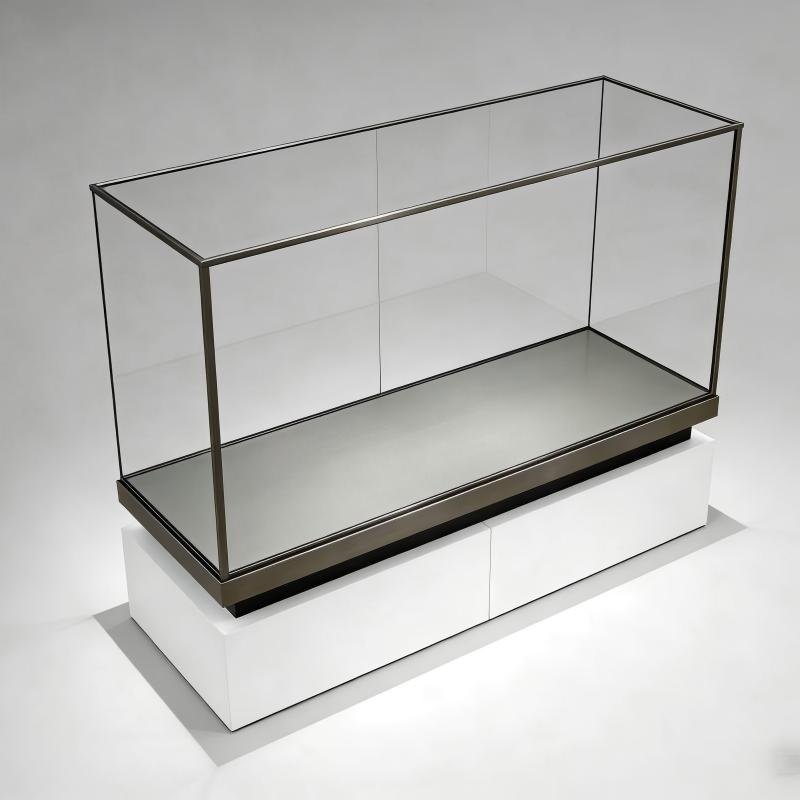
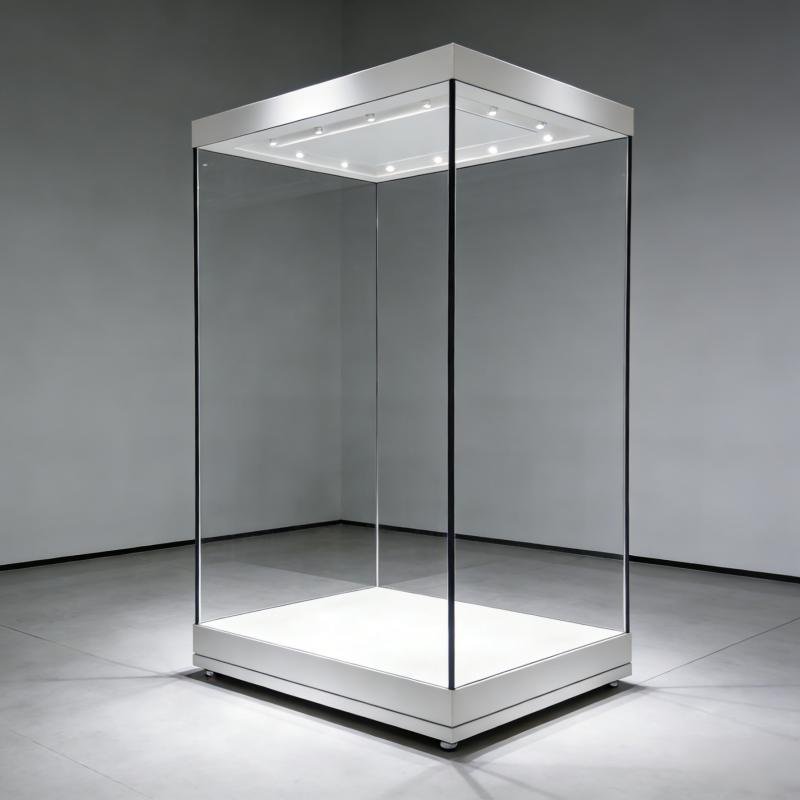
Display Case Types: To accommodate the diverse display requirements of different artifacts, we produced over 50 museum quality display cabinets in 8 different models for the museum. These include wall‑mounted continuous display cases, freestanding panoramic display cases, and others.
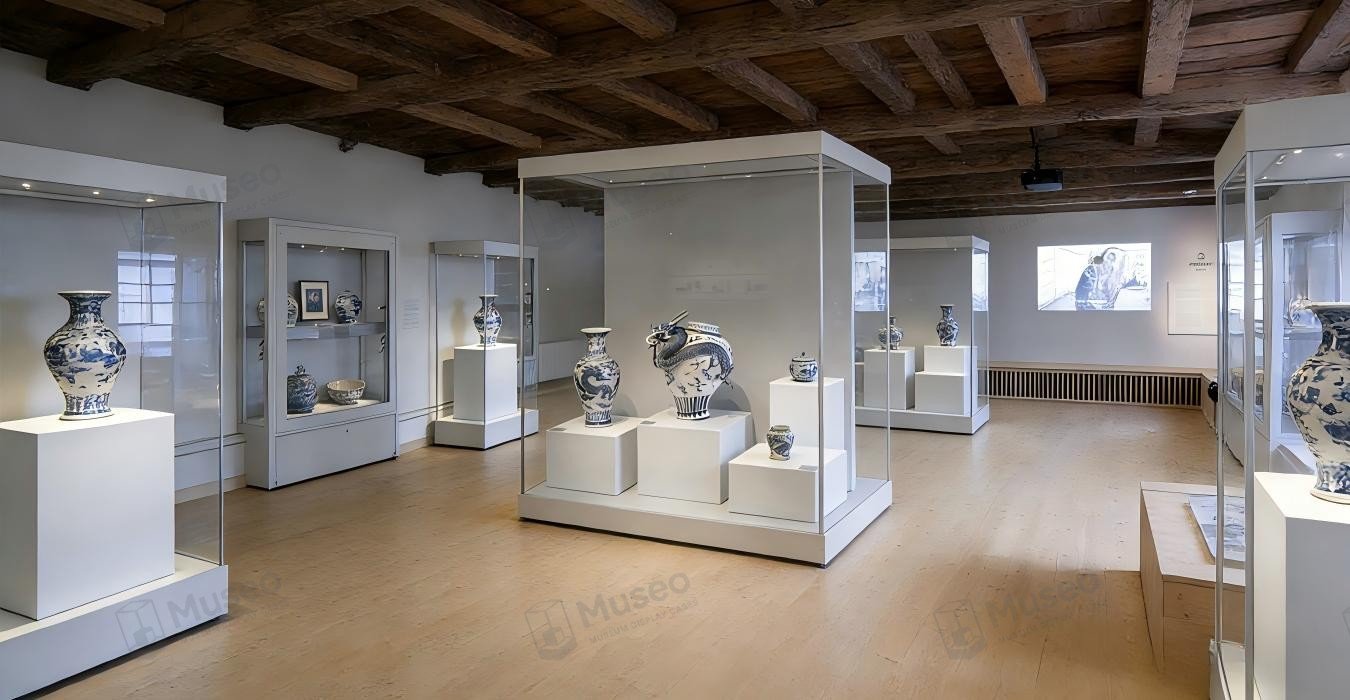
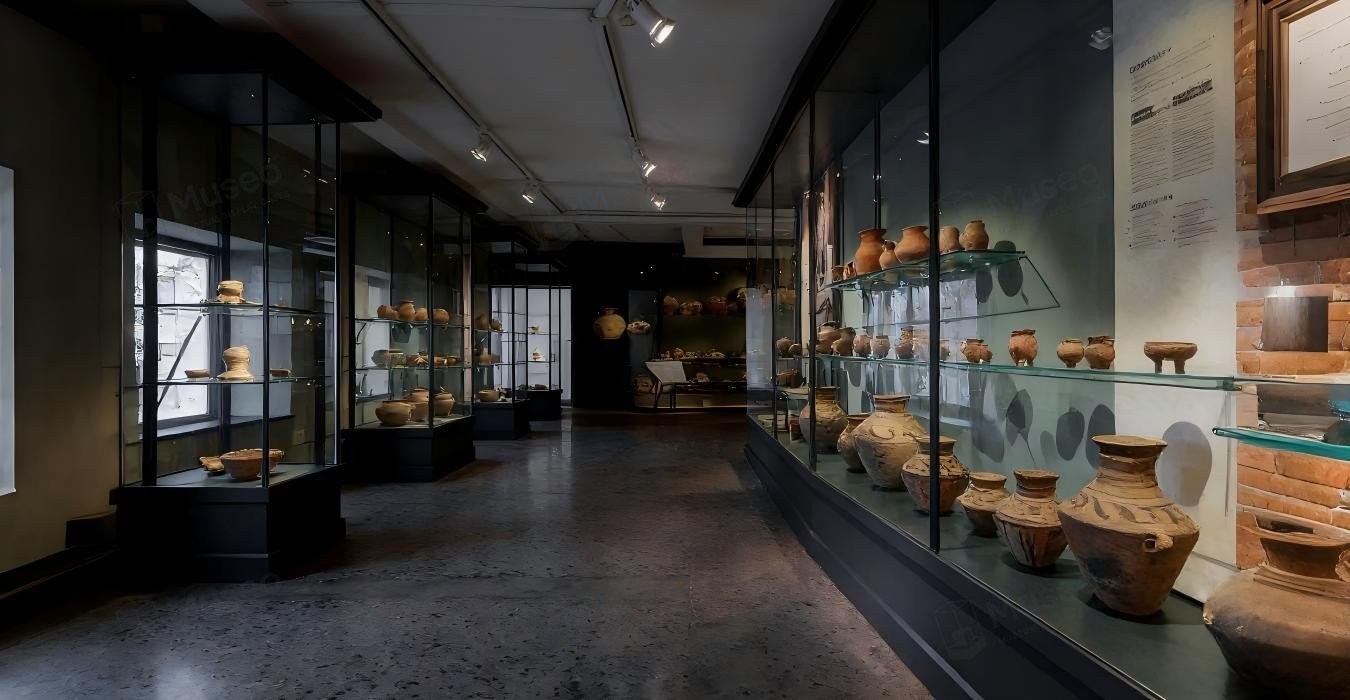
For pottery artifacts, we adopted freestanding island‑style museum quality display cases. Designed to be placed independently in the center of the gallery, they allow visitors to view the exhibits from a full 360‑degree perspective, perfectly meeting the need for all‑around display of grouped pottery pieces. Meanwhile, tiered and staggered display pedestals clearly present objects of different sizes.
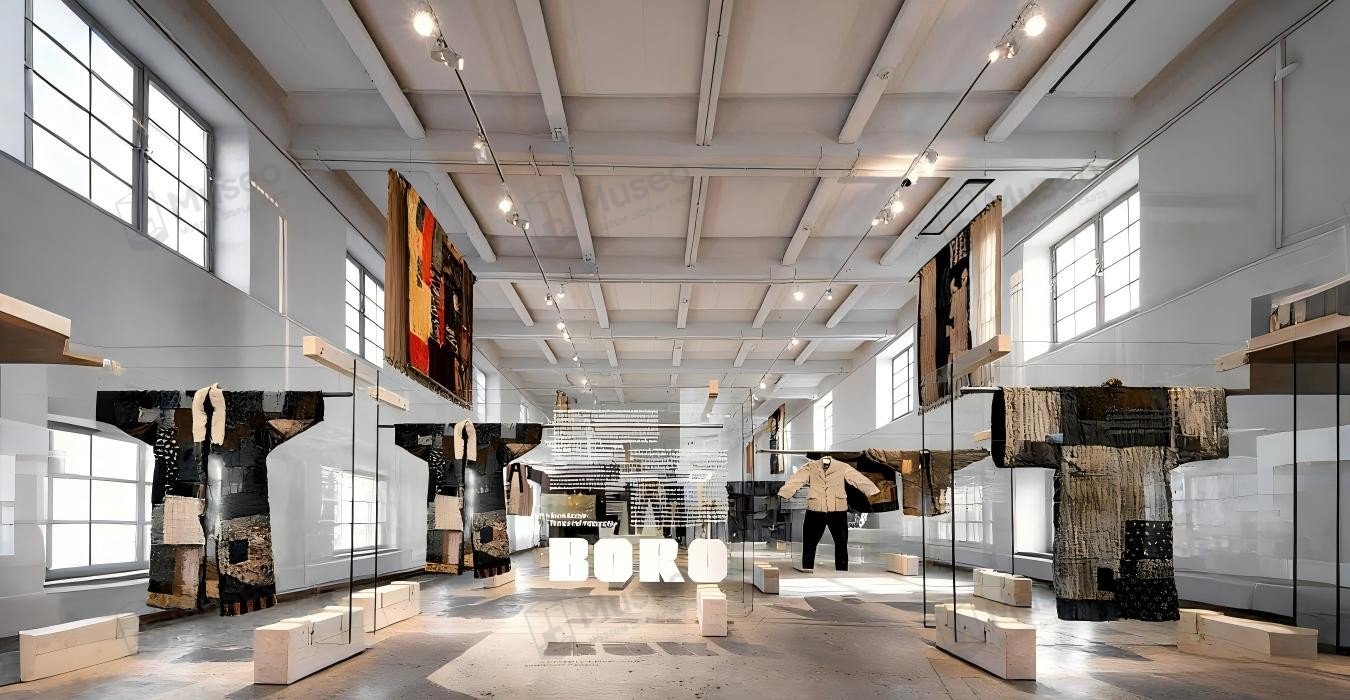
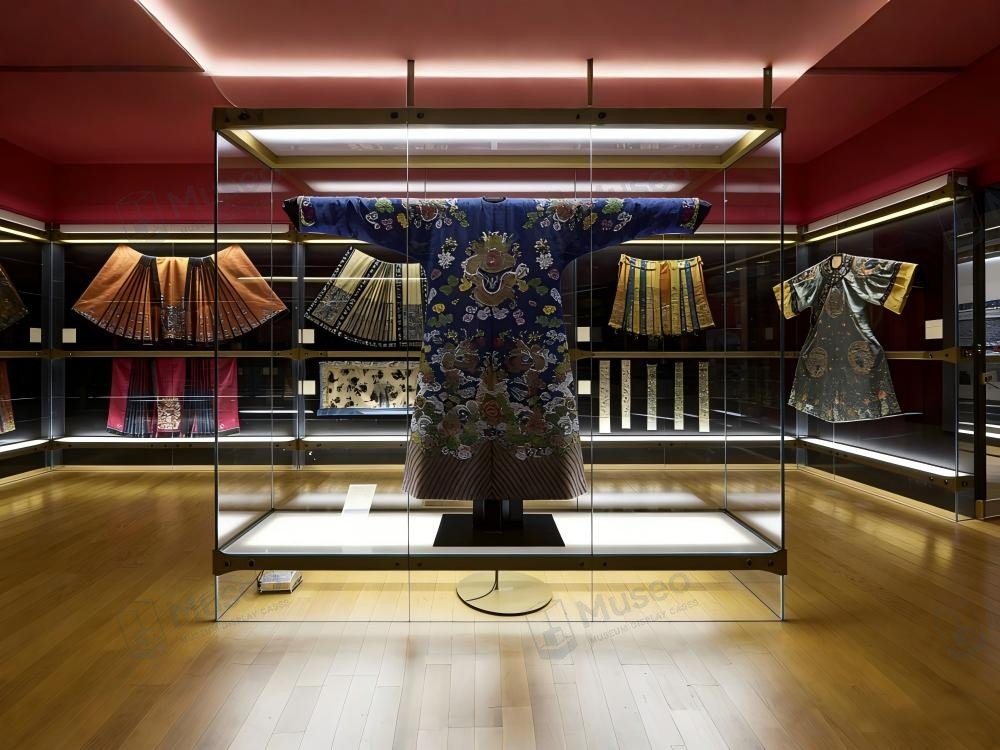
For court costumes, we used freestanding panoramic museum quality display cases. Featuring an independent island layout in the center of the gallery, they are equipped with 360‑degree rotatable mannequins or stands, enabling visitors to examine the details of the garments from every angle. The background employs a continuous multi‑tier display layout suitable for batch presentation of multiple costumes, while the unobstructed glass maximizes the visibility of embroidery and fabric details.
علب عرض المشروع
الأسئلة الشائعة
1. كيف نعمل معك؟ (عملية الطلب)
إرسال استفسار ← مناقشة المتطلبات ← تقديم عرض أسعار ← تقديم عرض أسعار ← دفع العربون ← دفع العربون ← التصميم النظري ← أعمال الرسم ← الإنتاج ← فحص الجودة ← التغليف ← دفع الرصيد ← الشحن.
2. هل يمكنك تقديم عرض أسعار بناءً على رسوماتنا؟
نعم، يمكننا تقديم خدمات التصنيع المخصصة وعروض الأسعار وفقًا لمتطلباتك.
3. هل أنت مصنع، وأين يقع مصنعك؟
نعم، نحن كيان مصنع متخصص في تصنيع دعائم عرض المتاحف لسنوات. ويقع مصنعنا في مدينة قوانغتشو بمقاطعة قوانغدونغ - نرحب بزيارتنا للتفتيش!
4. هل يمكننا عمل عينة لفحص الجودة قبل تقديم الطلب؟
طلبات العينات مقبولة، على أن تتحمل أنت رسوم العينة وتكاليف الشحن
5. ما هي مدة مهلة الإنتاج بعد تقديم الطلب؟
بعد تأكيد الطلب، عادةً ما يكتمل الإنتاج في غضون 35 يوم عمل، ويخضع الجدول الزمني الدقيق لكمية الطلب.
6. ما هي شروط الدفع الأكثر أماناً ونسبة الإيداع؟
نحن ندعم طرق الدفع الآمنة: T/T (التحويل البرقي) وضمان التجارة الدولية لمحطة علي بابا الدولية. مطلوب إيداع مبلغ 50%، ويجب دفع الرصيد قبل الشحن.
7. هل يمكننا ترتيب فحص الجودة قبل الشحن؟
بالتأكيد! نرحب بموظفي مراقبة الجودة أو وكالات الطرف الثالث للتفتيش في الموقع. لدينا نظام فحص الجودة الخاص بنا قبل التعبئة والتغليف لضمان جودة المنتج؛ إذا لم تكن متاحًا لإجراء فحوصات في الموقع، يمكننا تقديم تقارير الفحص حسب الحاجة.
تواصل معنا
تواصل معنا
اتصل بنا، واحصل على ورقة الأسعار، وتعرف على المزيد من الأخبار والمعلومات