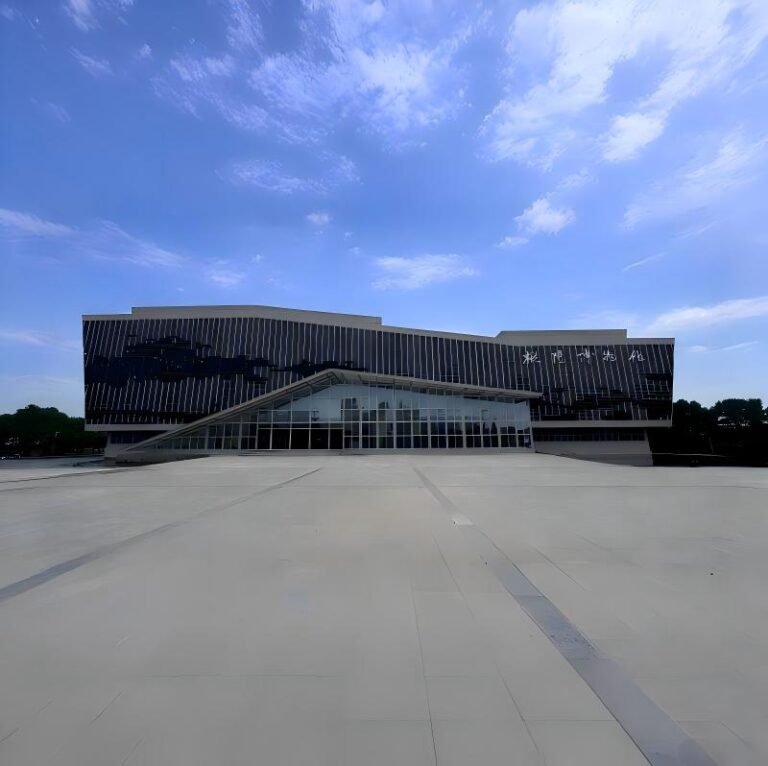
As the largest university museum in the UK, the Manchester Museum is committed to integrating its heritage with contemporary social issues such as decolonization and community inclusion. The museum centers on the theme of “building a world of cross-cultural understanding and sustainable development.
The Manchester Museum is part of the University of Manchester and has a history of over 130 years. This project aims to break away from the traditional “aloof” image of museums, transforming it into a more inclusive, imaginative, and humanistic public space.
Following the completion of our project, the museum has set out the following plans for the future: first, the museum will no longer engage in one‑way knowledge transmission but will instead emphasise co‑curation. Second, it will place environmental sustainability at its core, using exhibitions to inspire public action on climate change. Third, it will focus on decolonisation and Indigenous perspectives. Finally, it will enhance spatial inclusivity and provide all‑age experiences.
The Manchester Museum has a total exhibition area of approximately 8,640 square meters and spans 4 floors. The ground floor primarily houses the Welcome Hall, the Fossils and Dinosaurs Gallery, and a new large temporary exhibition gallery. The first floor features the South Asia Gallery, the Chinese Culture Gallery, the Egypt and Sudan Gallery, and the Archaeology Gallery, among others. The second floor contains the Africa Centre, research studios, and natural history‑related exhibition areas. The third floor mainly consists of office spaces and educational spaces for specific events. The museum’s total collection amounts to 4.5 million objects, spanning an immense range—from fossils hundreds of millions of years old and insect specimens to cultural artifacts from around the world.
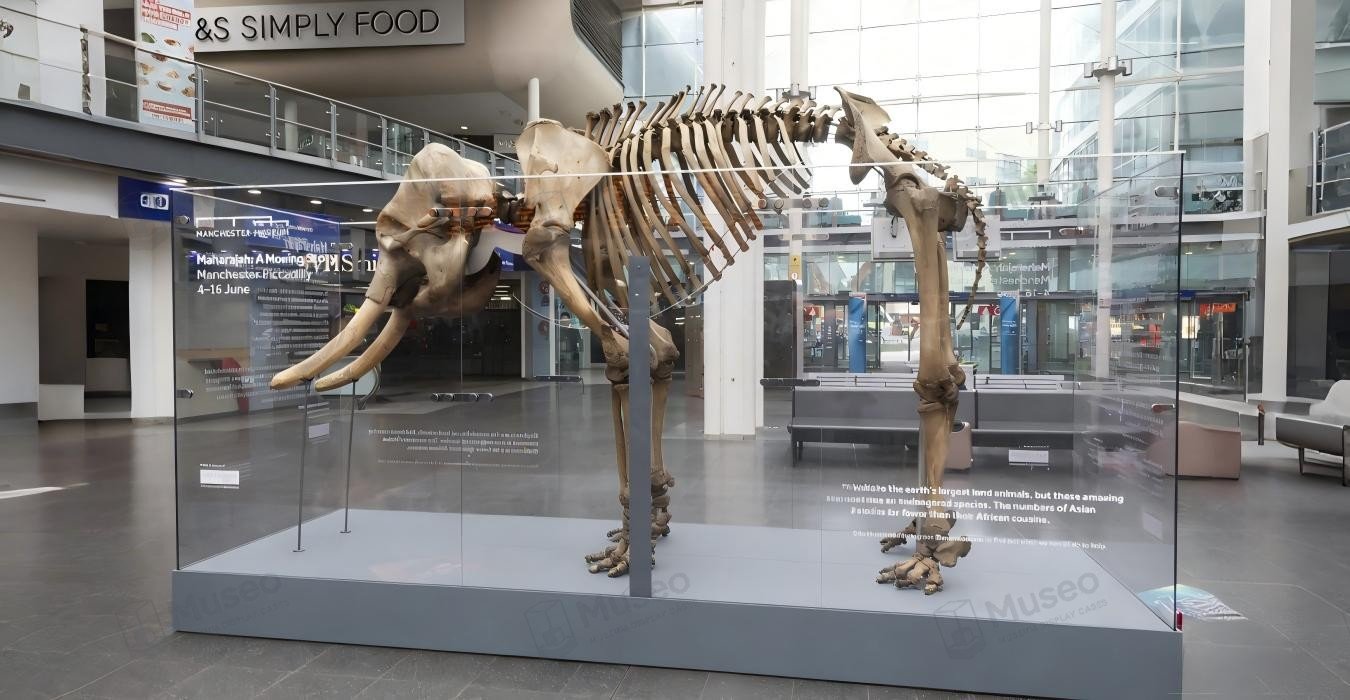
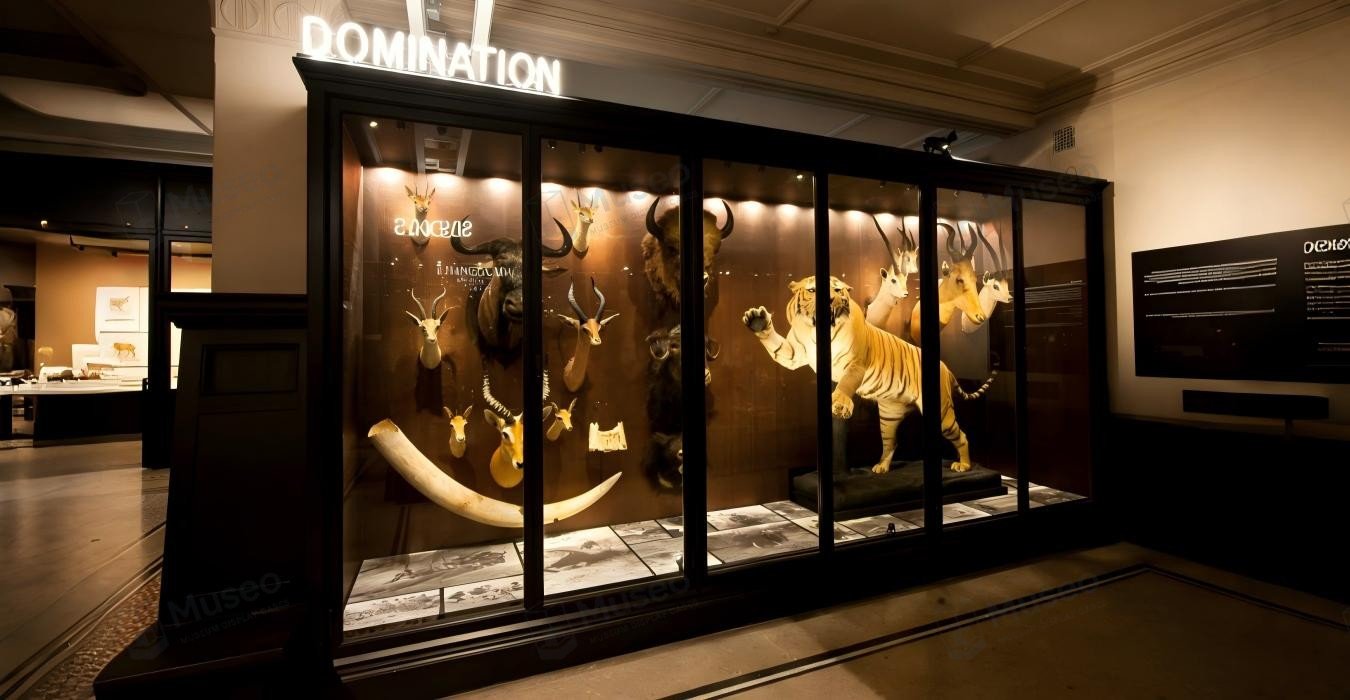
For the elephant skeleton, we have used a frameless panoramic glass museum display cabinet. The fully transparent glass allows for unobstructed 360-degree viewing, enabling visitors to clearly observe the skeletal details; the glass is explosion-proof and UV-resistant, protecting the exhibits from light damage while preventing accidental breakage from causing harm to visitors.
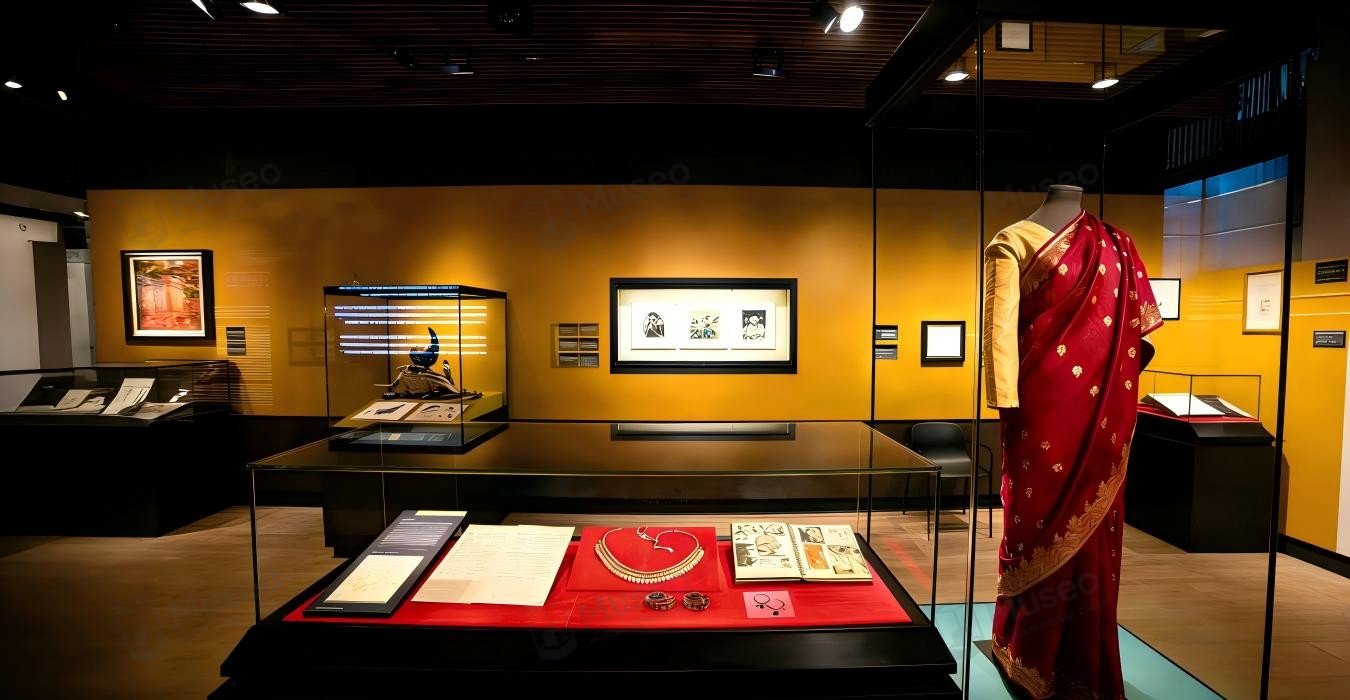
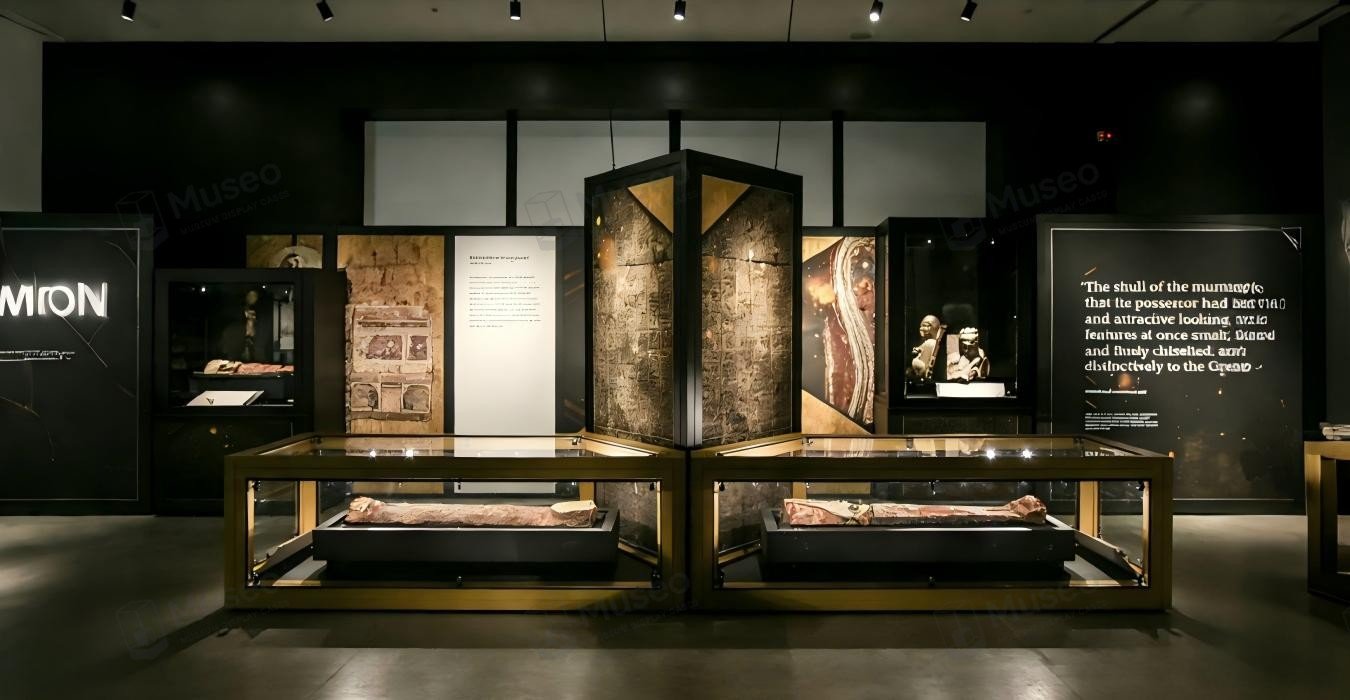
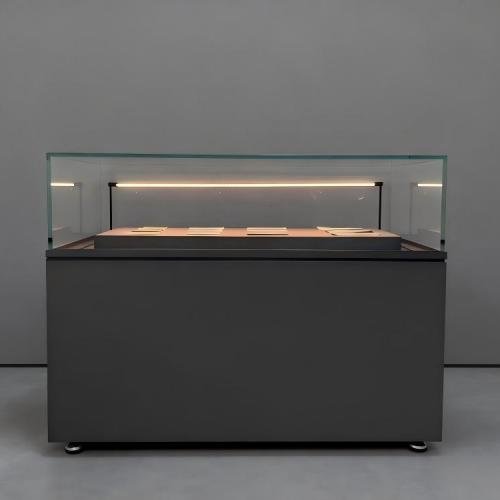
For the jewelry and handwritten notes/manuscripts, we have used tabletop museum display cabinet. With eye-level or overhead viewing, visitors can observe the details of the artifacts from all angles. Low-reflection glass reduces glare and enhances visual clarity.
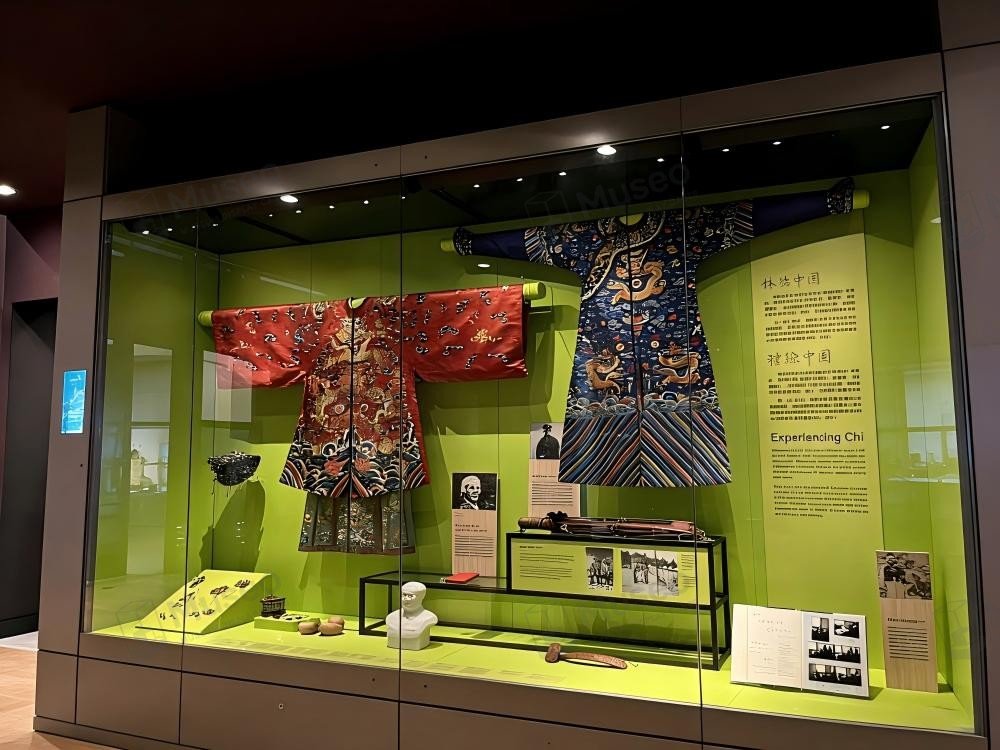
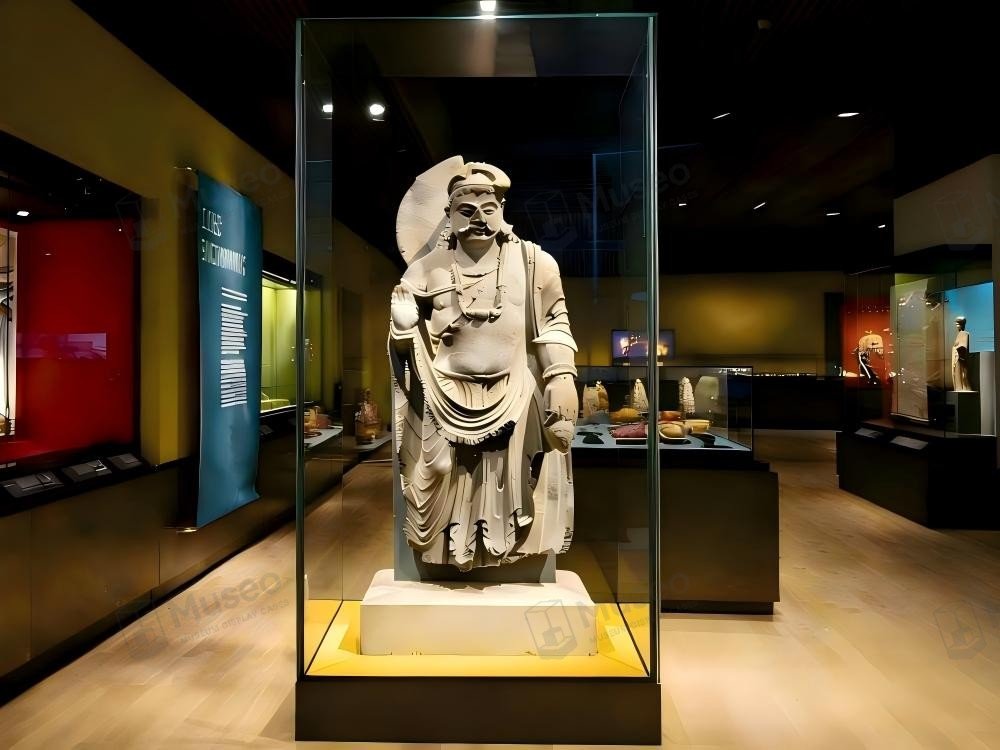
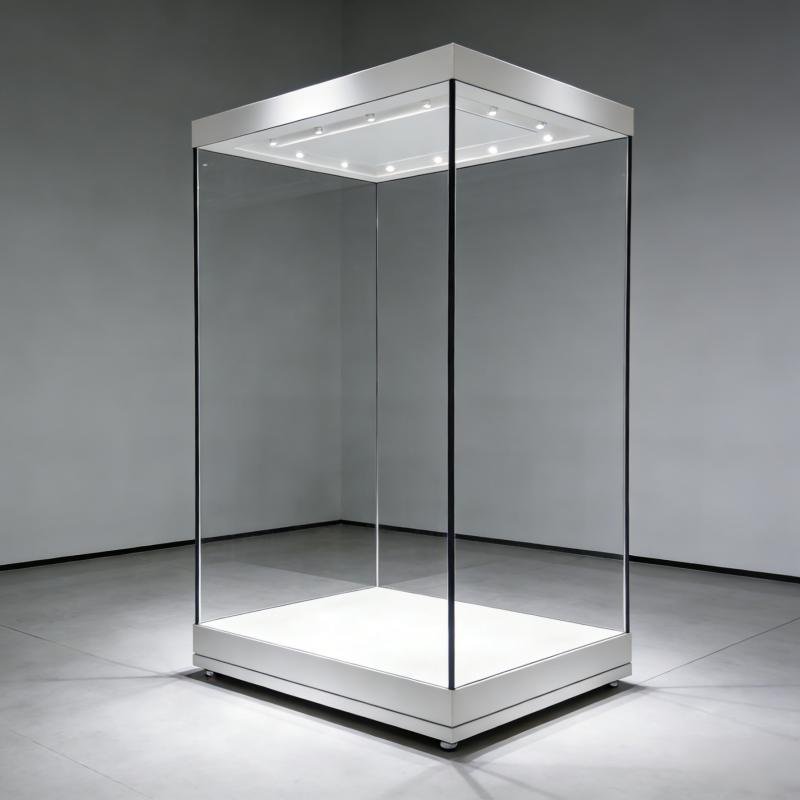
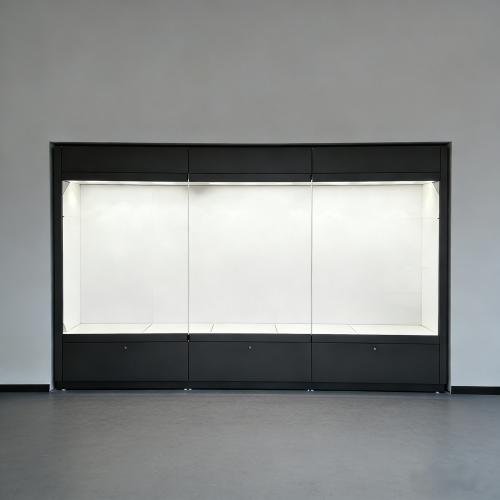
Type of display cases: To accommodate the display needs of different artifacts, we have equipped the museum with over 60 display cases across 10 different types, including frameless panoramic glass museum display cabinet, tabletop museum display cabinet, wall-to-wall museum display cabinet, and freestanding tall museum vitrine display case,ect.
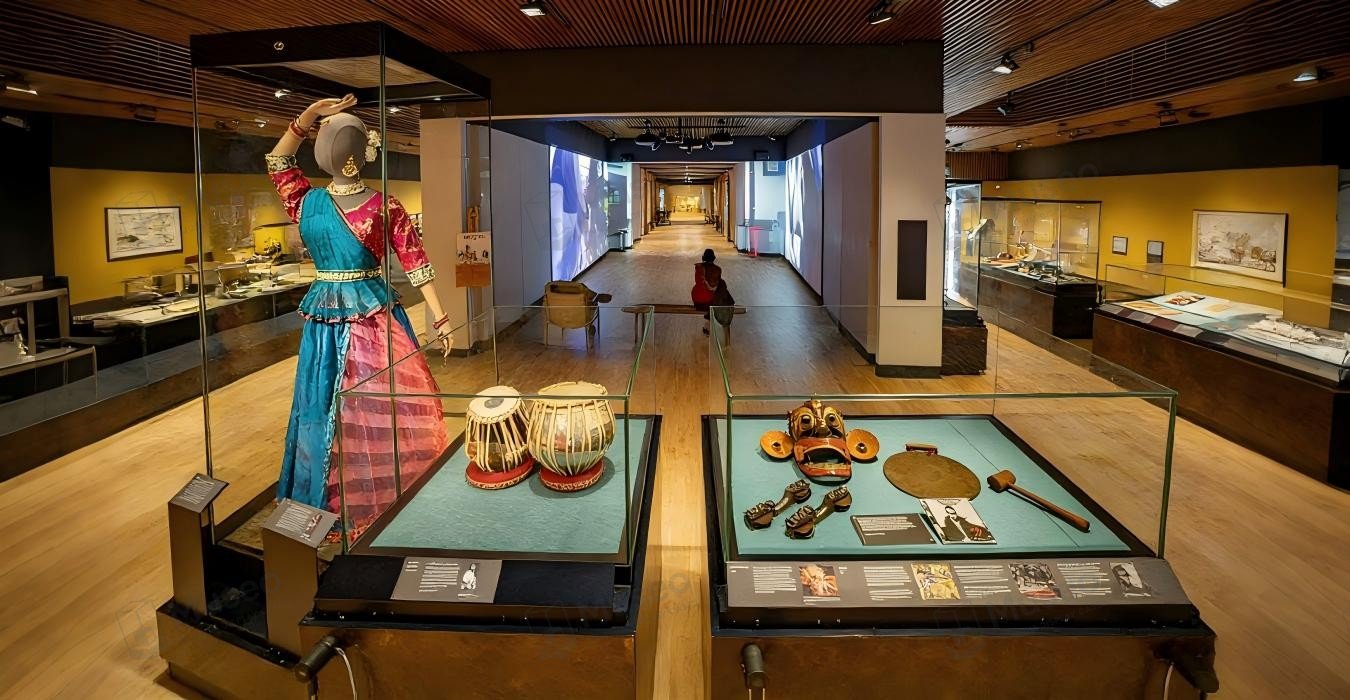
For traditional ethnic costumes, figures, and documents, we have used wall-to-wall museum vitrine display case. The linear, elongated design of these cases is well-suited for displaying multiple artifacts thematically or chronologically, forming a complete narrative chain. The large areas of low-reflection glass provide an expansive view, while the linear lighting at the top delivers precise illumination—highlighting the three-dimensionality of larger items such as costumes while also allowing visitors to examine details up close.
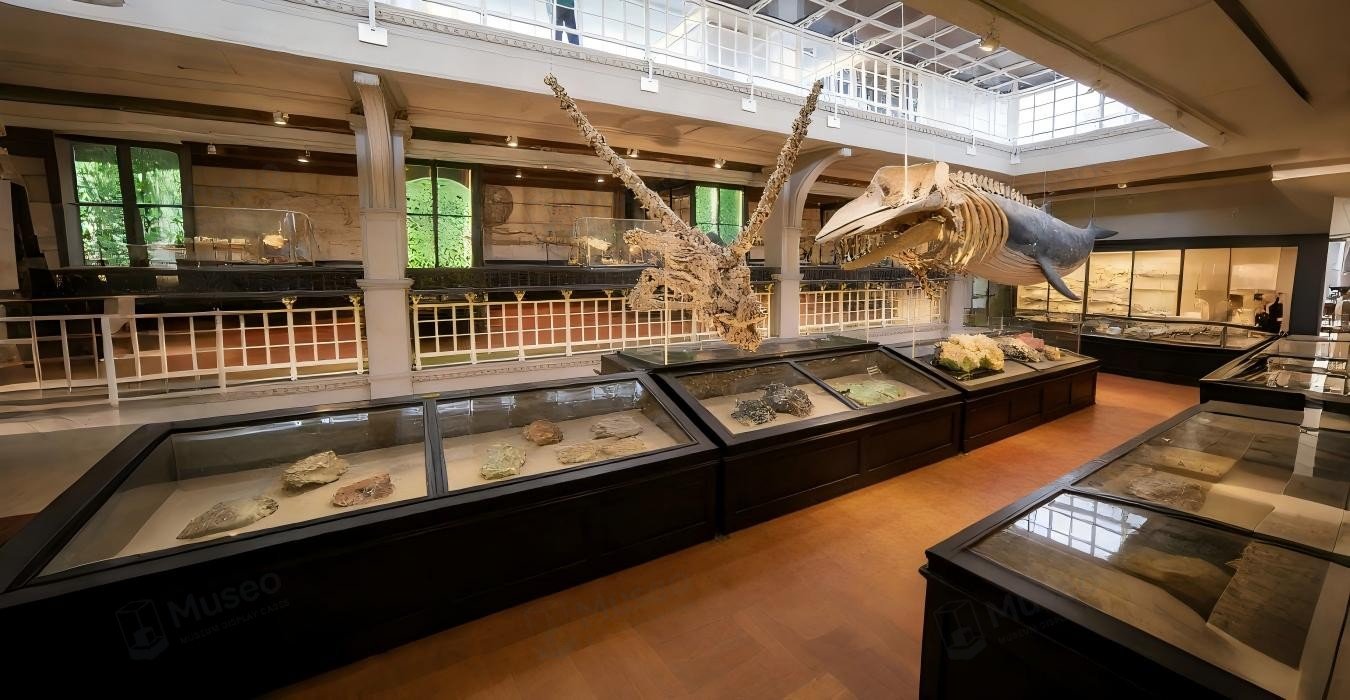
For stone sculptures, we have adopted freestanding tall museum vitrine display case, a core exhibition device specifically designed for large, three-dimensional artifacts. With 360-degree unobstructed glass surfaces, these cases are placed independently in the center of the exhibition hall or at key points along the visitor route, becoming visual focal points that enhance the ceremonial presence and historical gravitas of the objects. The elevated base lifts the artifacts, emphasizing their volume and imposing dignity. Low-reflection glass reduces glare and enhances visual clarity.
إرسال استفسار ← مناقشة المتطلبات ← تقديم عرض أسعار ← تقديم عرض أسعار ← دفع العربون ← دفع العربون ← التصميم النظري ← أعمال الرسم ← الإنتاج ← فحص الجودة ← التغليف ← دفع الرصيد ← الشحن.
2. هل يمكنك تقديم عرض أسعار بناءً على رسوماتنا؟
نعم، يمكننا تقديم خدمات التصنيع المخصصة وعروض الأسعار وفقًا لمتطلباتك.
3. هل أنت مصنع، وأين يقع مصنعك؟
نعم، نحن كيان مصنع متخصص في تصنيع دعائم عرض المتاحف لسنوات. ويقع مصنعنا في مدينة قوانغتشو بمقاطعة قوانغدونغ - نرحب بزيارتنا للتفتيش!
4. هل يمكننا عمل عينة لفحص الجودة قبل تقديم الطلب؟
طلبات العينات مقبولة، على أن تتحمل أنت رسوم العينة وتكاليف الشحن
5. ما هي مدة مهلة الإنتاج بعد تقديم الطلب؟
بعد تأكيد الطلب، عادةً ما يكتمل الإنتاج في غضون 35 يوم عمل، ويخضع الجدول الزمني الدقيق لكمية الطلب.
6. ما هي شروط الدفع الأكثر أماناً ونسبة الإيداع؟
نحن ندعم طرق الدفع الآمنة: T/T (التحويل البرقي) وضمان التجارة الدولية لمحطة علي بابا الدولية. مطلوب إيداع مبلغ 50%، ويجب دفع الرصيد قبل الشحن.
7. هل يمكننا ترتيب فحص الجودة قبل الشحن؟
بالتأكيد! نرحب بموظفي مراقبة الجودة أو وكالات الطرف الثالث للتفتيش في الموقع. لدينا نظام فحص الجودة الخاص بنا قبل التعبئة والتغليف لضمان جودة المنتج؛ إذا لم تكن متاحًا لإجراء فحوصات في الموقع، يمكننا تقديم تقارير الفحص حسب الحاجة.
تواصل معنا
تواصل معنا
اتصل بنا، واحصل على ورقة الأسعار، وتعرف على المزيد من الأخبار والمعلومات
توفر خزائن العرض المتحفي عالية الجودة المخصصة لدينا، والتي تركز على حماية الآثار والعرض الاحترافي وتكييف المجموعات/المساحات مع متطلبات العرض، حاملات آمنة وطويلة الأمد للتراث الثقافي لنقل القيمة التاريخية بوضوح.
توصيل سريع
خزائن عرض المتاحف المخصصة لدينا، المحسّنة بوحدات أساسية مسبقة الصنع، والتصميم السريع والإنتاج/التركيب المبسّط، يتم تسليمها في شهر واحد، مع الحفاظ على معايير حماية الآثار ومعايير العرض المتحفية للاحتياجات العاجلة.
خدمة ما بعد البيع
تقوم خدمة ما بعد البيع لخزانة العرض المتحفي لدينا ببناء نظام يغطي الضمانات الروتينية ويوفر خدمة ما بعد البيع من قبل فرق عمل محترفة في غضون 7-24 ساعة بعد التسليم.