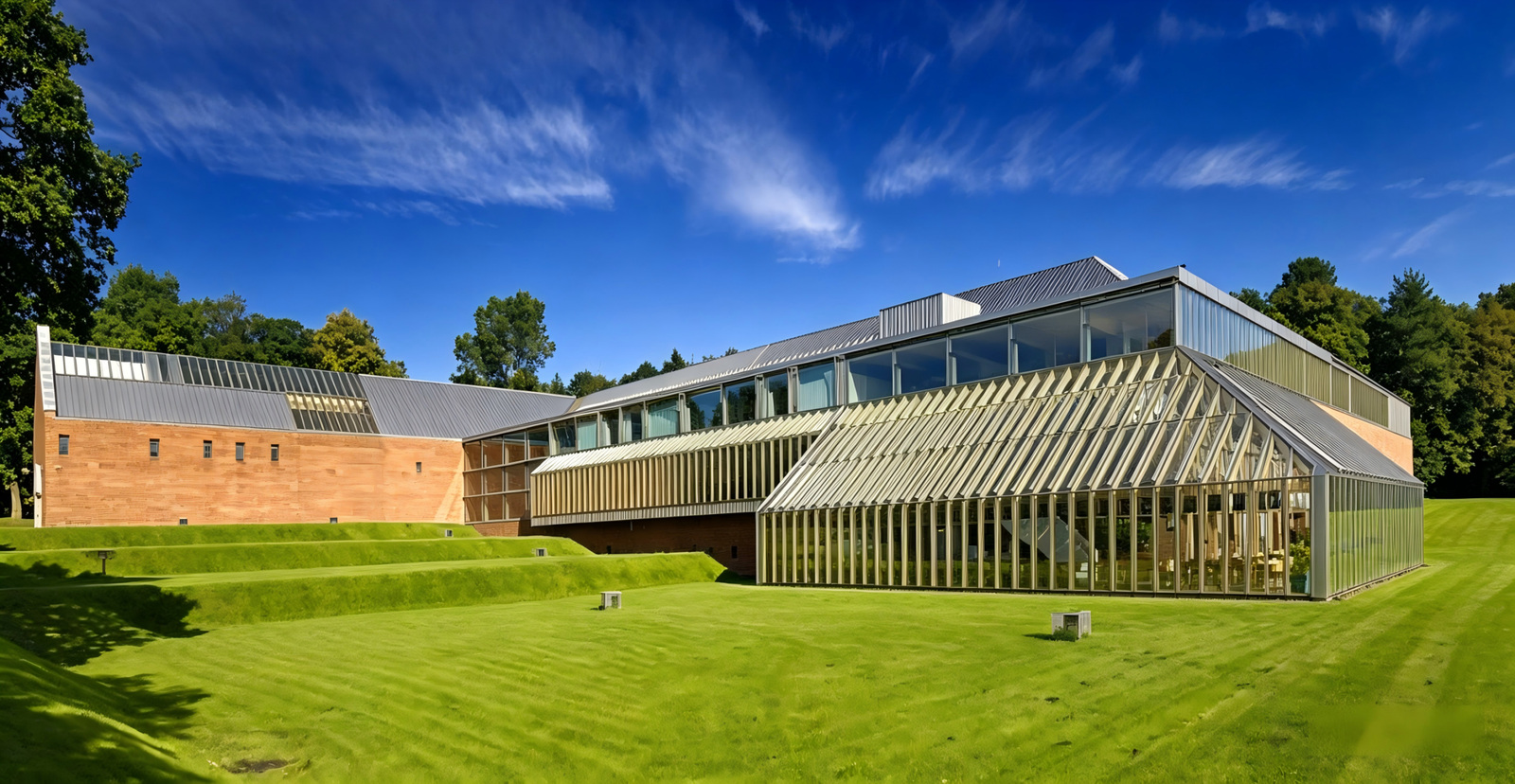
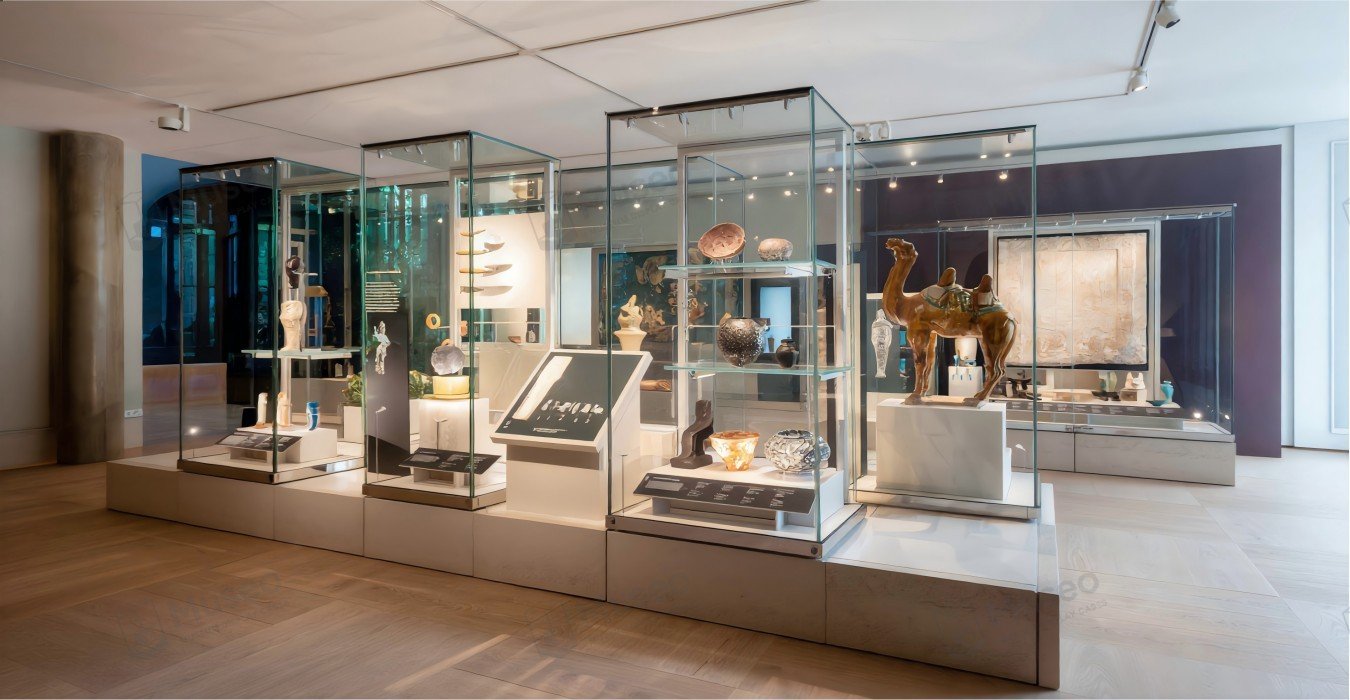
The museum’s exhibition is centered on the core mission of “making art accessible to everyone.” Through thematic curation, it unfolds around four grand chapters: “How objects were used,” “How they were made,” “Who once owned them,” and “Where they came from.” It leads visitors to follow the routes of object circulation and transmission, connecting the historical landscapes of six major civilizations from around the world.
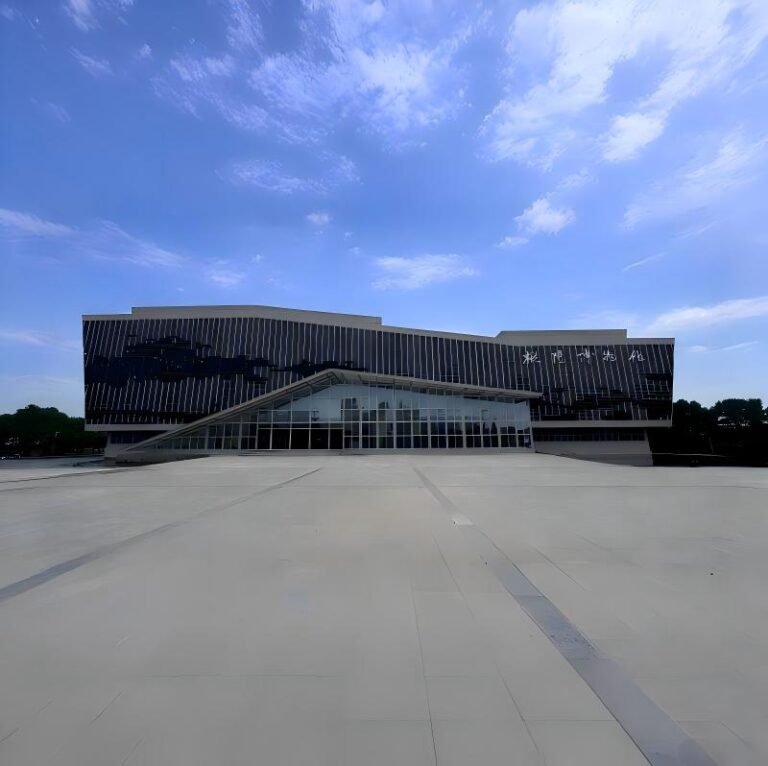
The Burrell Collection had long suffered from roof leaks, poor air tightness, and uncontrolled temperature and humidity. It was also restricted by the special regulations governing Scotland’s Category A listed buildings, which prevented conventional renovation. To reverse the sharp decline in visitor numbers and achieve the goal of “creating the most accessible museum in the world,” an investment of £68.25 million was made, and the museum closed in 2016 to launch the “Burrell Renaissance Project.” The renovation required expanding exhibition space by 35% without compromising the original architectural character, and customising new museum display cabinets for a large number of previously unseen artefacts.
After completing the customisation and renewal of the museum display cabinets, the Burrell Collection has developed a comprehensive plan centred on the vision of “creating the most accessible museum in the world,” covering content innovation, community engagement, sustainable operations, and digital experiences. This includes introducing cross‑disciplinary events such as fashion shows to connect with contemporary audiences, and deepening community inclusion programmes like the “Resident Storyteller” and dedicated quiet hours for sensory‑sensitive visitors.
The Burrell Collection in the United Kingdom has a total floor area of approximately 13,000 square metres. It has four floors in total (including the basement, ground floor, mezzanine gallery, and first-floor studios/education area). The collection comprises 9,000 fine and decorative art objects.
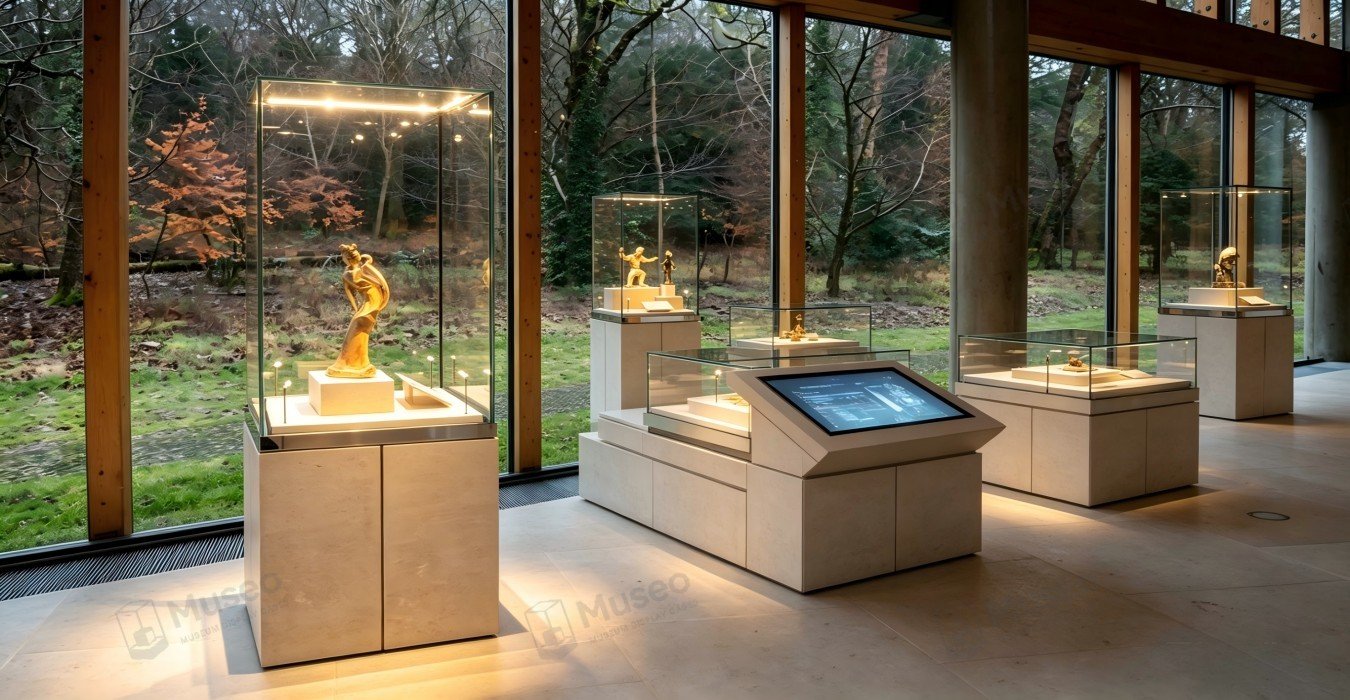
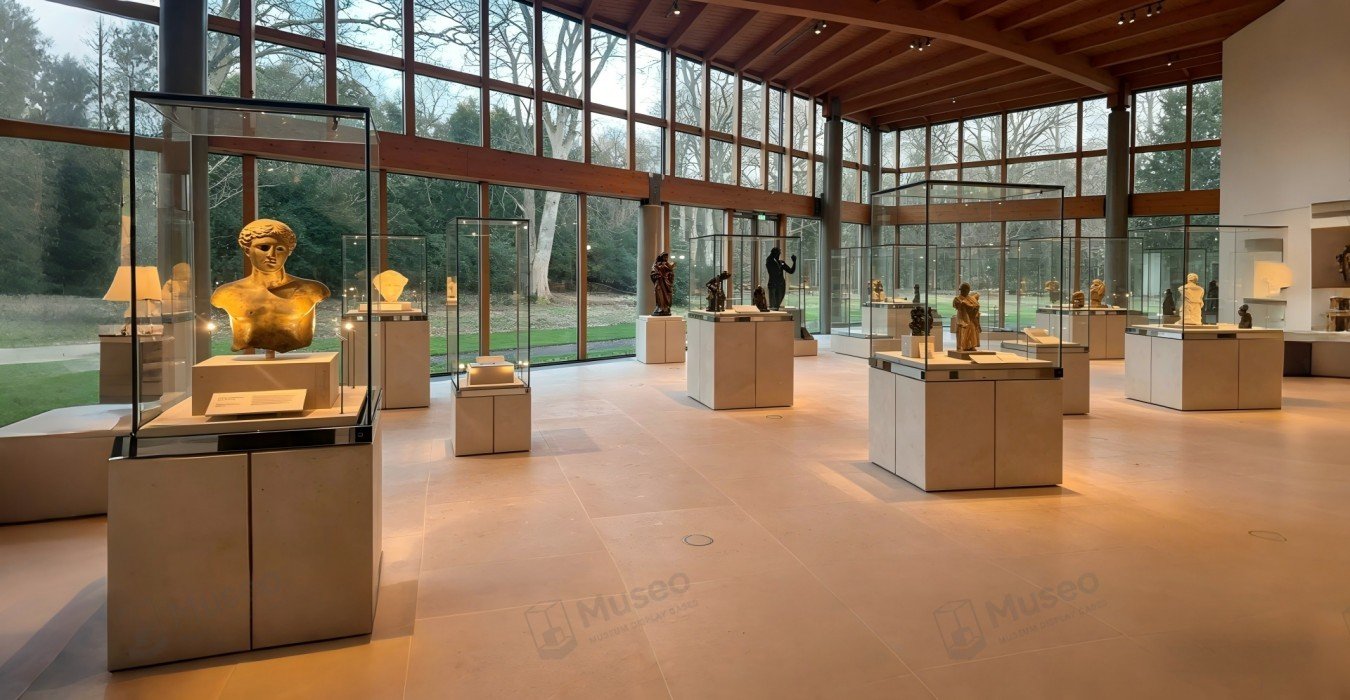
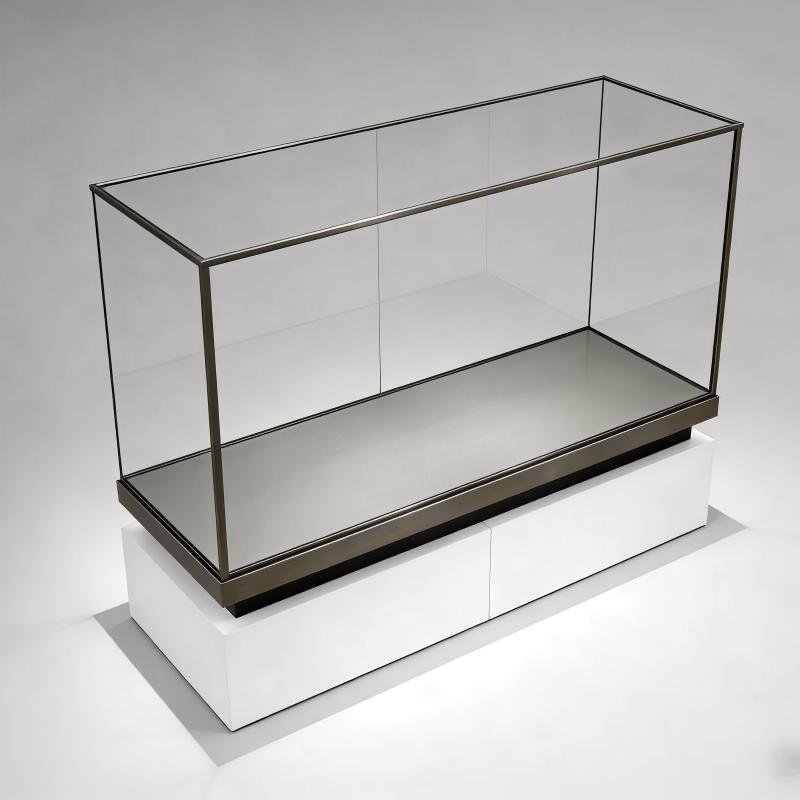
For small sculptures, we used top‑view museum display cabinets. These cases allow visitors to observe details up close. They feature a stone veneer and steel structure, providing load‑bearing capacity and moisture resistance. The viewing panels are made of low‑reflective ultra‑clear laminated glass, offering high light transmission and UV protection.
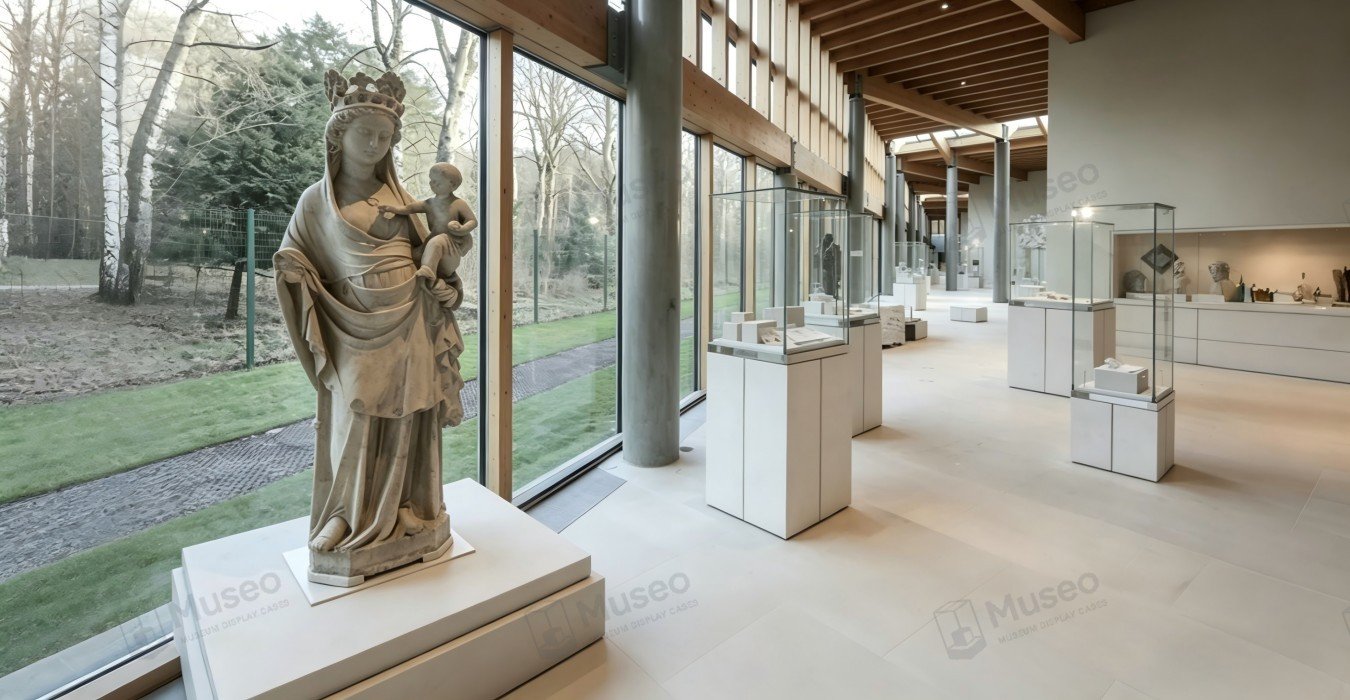
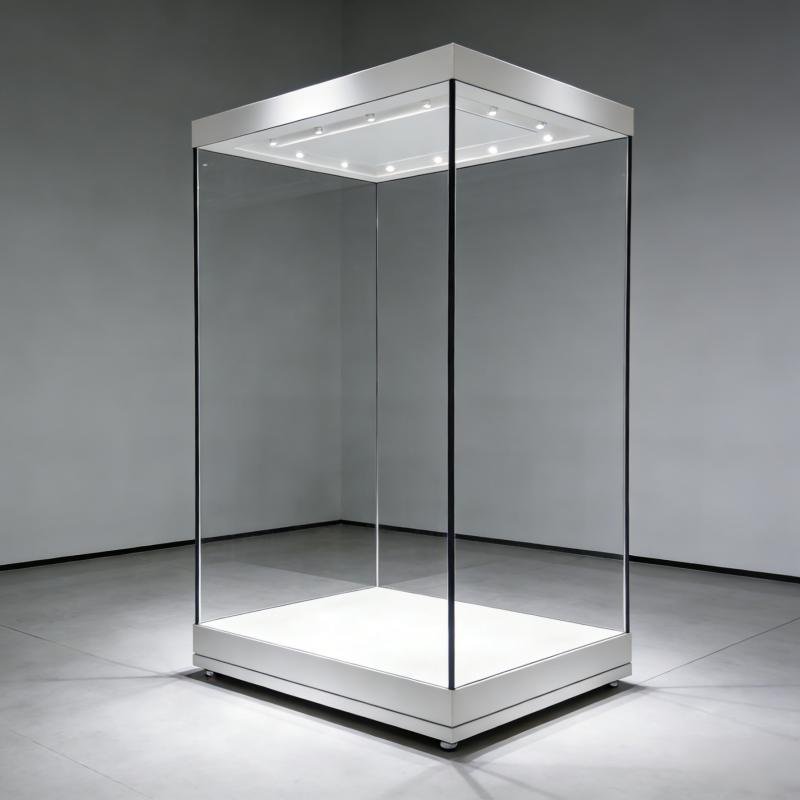
For classical sculptures and archaeological fragments, we used freestanding high museum display cabinets. This four‑sided transparent design enables a 360‑degree view of the sculpture’s details and form. Finished with a limestone veneer and steel structure, the case is stable, load‑bearing, moisture‑resistant, and abrasion‑proof. The low‑reflective ultra‑clear laminated glass panels ensure high light transmission and UV protection.
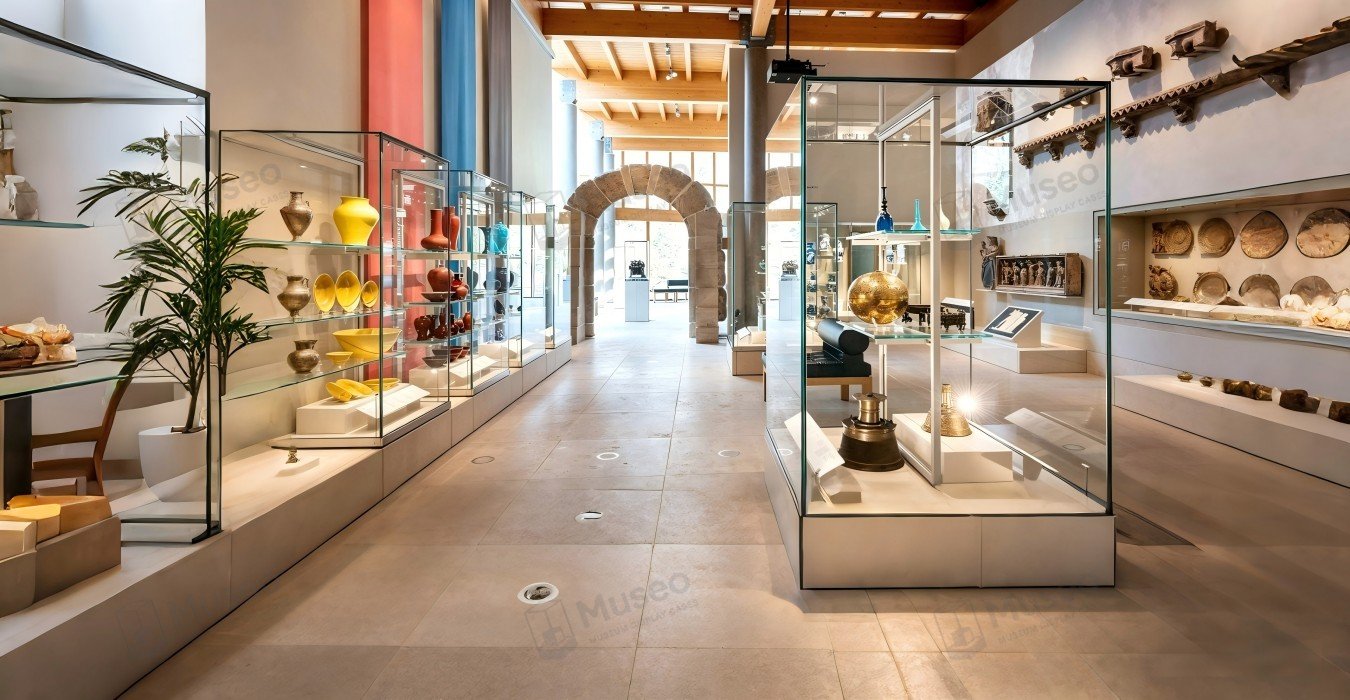
Display Case Types: To meet the diverse display requirements of different artifacts, we produced over 70 museum quality display cases in 10 different types for the museum. These include top‑view display cases, freestanding high display cases, niche‑style continuous display cases, and others.
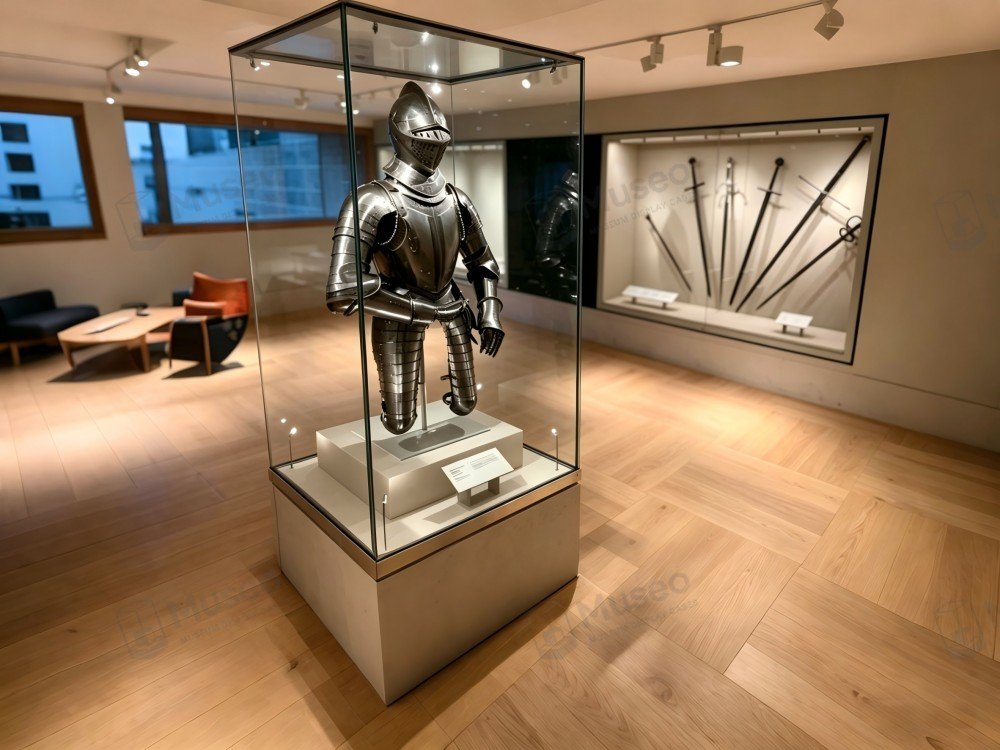
For knight armor, we used a freestanding high museum quality display case. This type of case is ideal for displaying a single core exhibit from a 360‑degree perspective without blind spots. It features an aluminum alloy frame, which is rust‑resistant, corrosion‑resistant, and has strong load‑bearing capacity. The viewing panels are made of low‑reflective ultra‑clear laminated glass, offering high light transmission and UV protection.
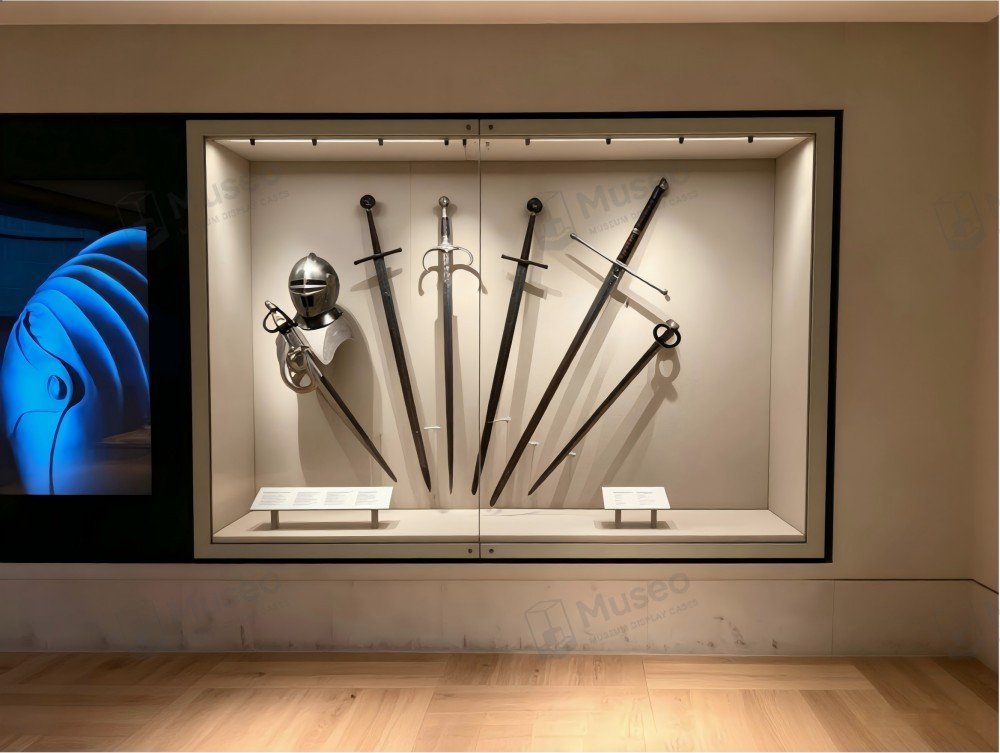
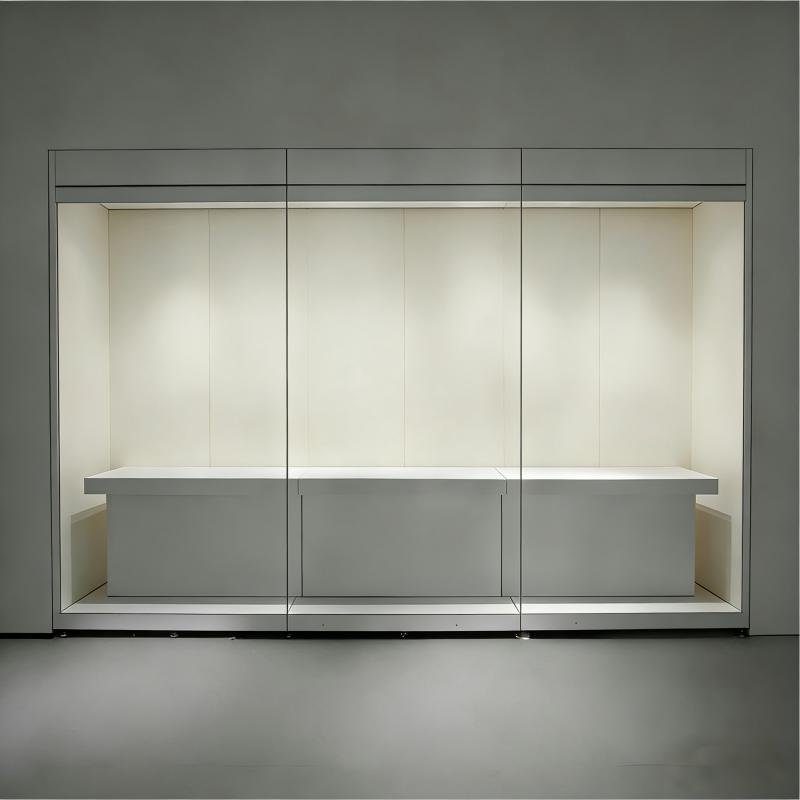
For cold weapons and armor components, we used niche‑style continuous museum quality display cases. These cases are suitable for displaying a series of exhibits along a wall. The aluminum alloy frame is fixed to the wall, providing strong load‑bearing capacity. The low‑reflective ultra‑clear laminated glass ensures high light transmission and UV protection.
إرسال استفسار ← مناقشة المتطلبات ← تقديم عرض أسعار ← تقديم عرض أسعار ← دفع العربون ← دفع العربون ← التصميم النظري ← أعمال الرسم ← الإنتاج ← فحص الجودة ← التغليف ← دفع الرصيد ← الشحن.
2. هل يمكنك تقديم عرض أسعار بناءً على رسوماتنا؟
نعم، يمكننا تقديم خدمات التصنيع المخصصة وعروض الأسعار وفقًا لمتطلباتك.
3. هل أنت مصنع، وأين يقع مصنعك؟
نعم، نحن كيان مصنع متخصص في تصنيع دعائم عرض المتاحف لسنوات. ويقع مصنعنا في مدينة قوانغتشو بمقاطعة قوانغدونغ - نرحب بزيارتنا للتفتيش!
4. هل يمكننا عمل عينة لفحص الجودة قبل تقديم الطلب؟
طلبات العينات مقبولة، على أن تتحمل أنت رسوم العينة وتكاليف الشحن
5. ما هي مدة مهلة الإنتاج بعد تقديم الطلب؟
بعد تأكيد الطلب، عادةً ما يكتمل الإنتاج في غضون 35 يوم عمل، ويخضع الجدول الزمني الدقيق لكمية الطلب.
6. ما هي شروط الدفع الأكثر أماناً ونسبة الإيداع؟
نحن ندعم طرق الدفع الآمنة: T/T (التحويل البرقي) وضمان التجارة الدولية لمحطة علي بابا الدولية. مطلوب إيداع مبلغ 50%، ويجب دفع الرصيد قبل الشحن.
7. هل يمكننا ترتيب فحص الجودة قبل الشحن؟
بالتأكيد! نرحب بموظفي مراقبة الجودة أو وكالات الطرف الثالث للتفتيش في الموقع. لدينا نظام فحص الجودة الخاص بنا قبل التعبئة والتغليف لضمان جودة المنتج؛ إذا لم تكن متاحًا لإجراء فحوصات في الموقع، يمكننا تقديم تقارير الفحص حسب الحاجة.
تواصل معنا
تواصل معنا
اتصل بنا، واحصل على ورقة الأسعار، وتعرف على المزيد من الأخبار والمعلومات
توفر خزائن العرض المتحفي عالية الجودة المخصصة لدينا، والتي تركز على حماية الآثار والعرض الاحترافي وتكييف المجموعات/المساحات مع متطلبات العرض، حاملات آمنة وطويلة الأمد للتراث الثقافي لنقل القيمة التاريخية بوضوح.
توصيل سريع
خزائن عرض المتاحف المخصصة لدينا، المحسّنة بوحدات أساسية مسبقة الصنع، والتصميم السريع والإنتاج/التركيب المبسّط، يتم تسليمها في شهر واحد، مع الحفاظ على معايير حماية الآثار ومعايير العرض المتحفية للاحتياجات العاجلة.
خدمة ما بعد البيع
تقوم خدمة ما بعد البيع لخزانة العرض المتحفي لدينا ببناء نظام يغطي الضمانات الروتينية ويوفر خدمة ما بعد البيع من قبل فرق عمل محترفة في غضون 7-24 ساعة بعد التسليم.