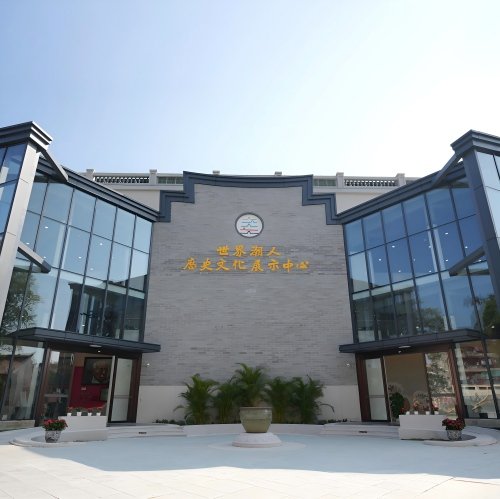
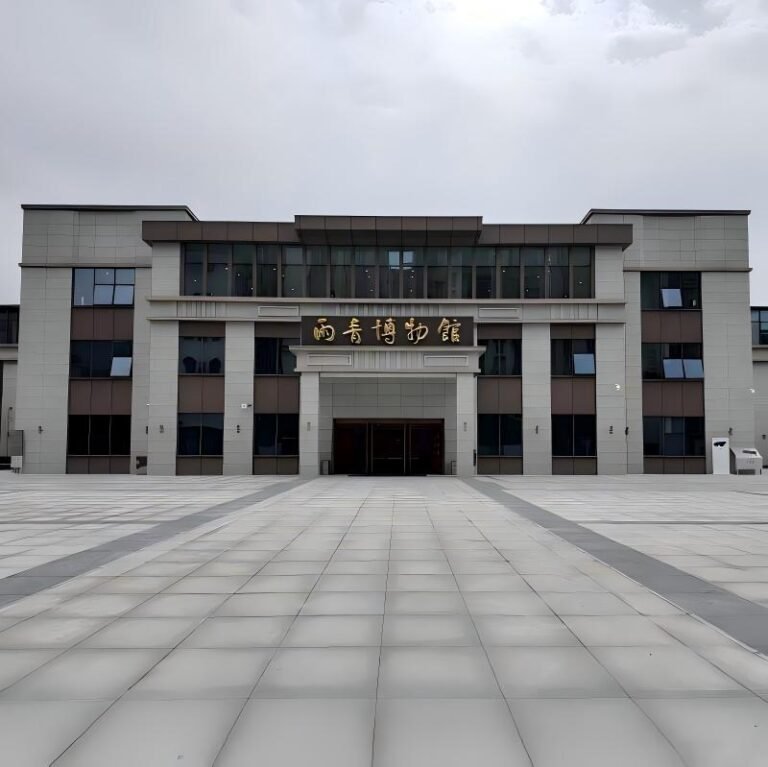
Zongyang Historical Museum
Tongling City, China 2025.11
The museum systematically presents the complete historical trajectory of the Zongyang region, from its role as a crucial center for copper mining and smelting in the pre-Qin era to its emergence as a significant birthplace of the Tongcheng School of Literature. This exhibition underscores Zongyang’s distinctive position within both the broader Yangtze River civilization and the regional Wanjiang culture.
The predecessor of the Zongyang History Museum was an older museum with a relatively small building area. To promote the creative transformation of its outstanding traditional culture and meet the growing spiritual and cultural needs of the public, the local government, in 2024, initiated a major integrated exhibition design and construction upgrade project for the new museum.
This project aimed to comprehensively renovate approximately 2,000 square meters of core exhibition space on the first and second floors. By employing modern display techniques, it sought to deeply “excavate the rich cultural history of Zongyang,” transforming the museum into a new cultural landmark that showcases local charm and continues the historical lineage.
The Zongyang History Museum is a three-story structure with a total building area of 6,250 square meters. The exhibition layout is organized by floor: the first floor focuses on the Origins of Ancient Zongyang Civilization and Bronze Ware; the second floor is dedicated to Ceramics, Calligraphy, and Painting; and the third floor houses a Comprehensive Exhibition of Zongyang’s History and Culture.
The museum’s collection comprises 1,984 movable cultural relics (sets), of which 502 pieces (sets) are classified as Precious Cultural Relics of Grade Three or above.
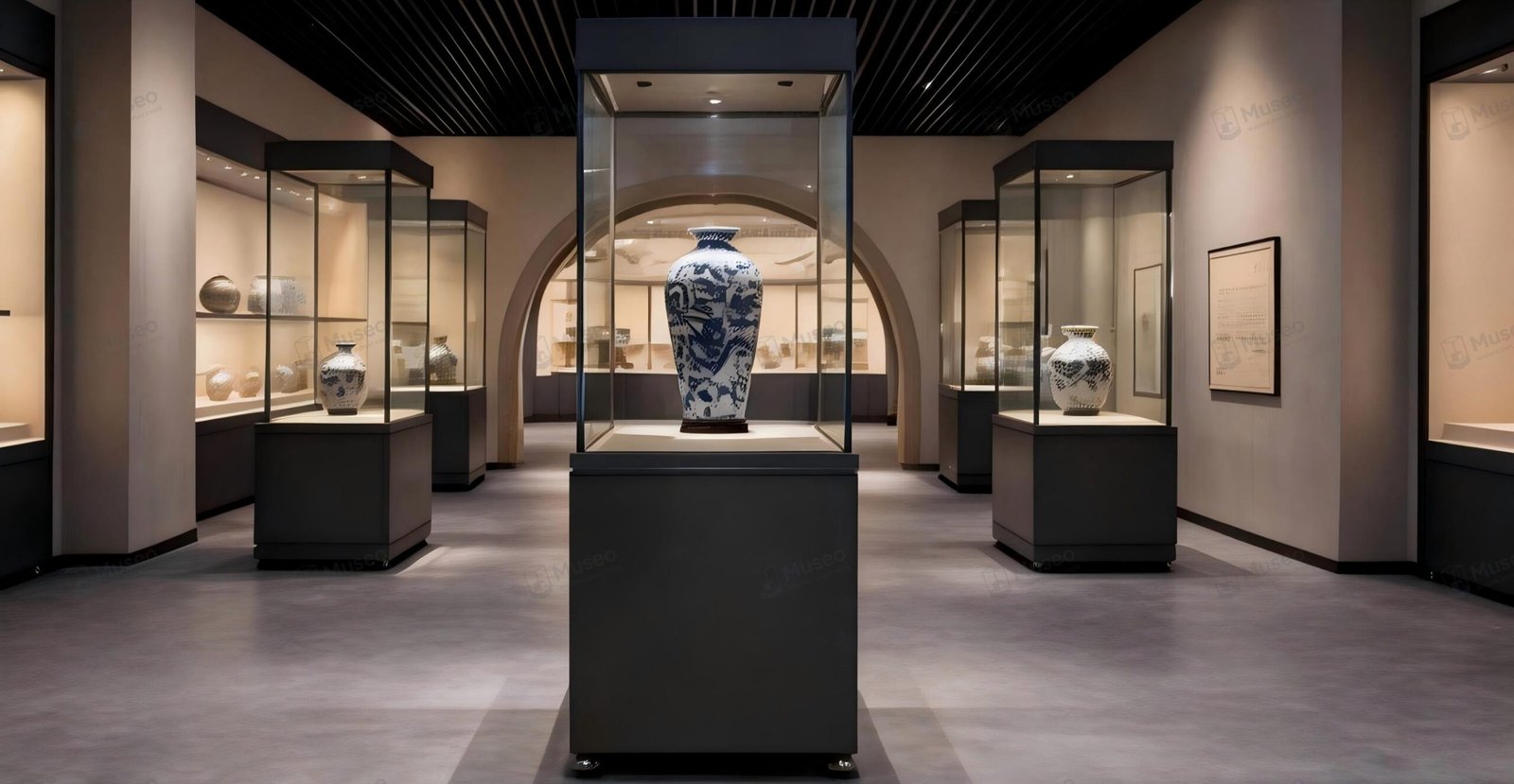
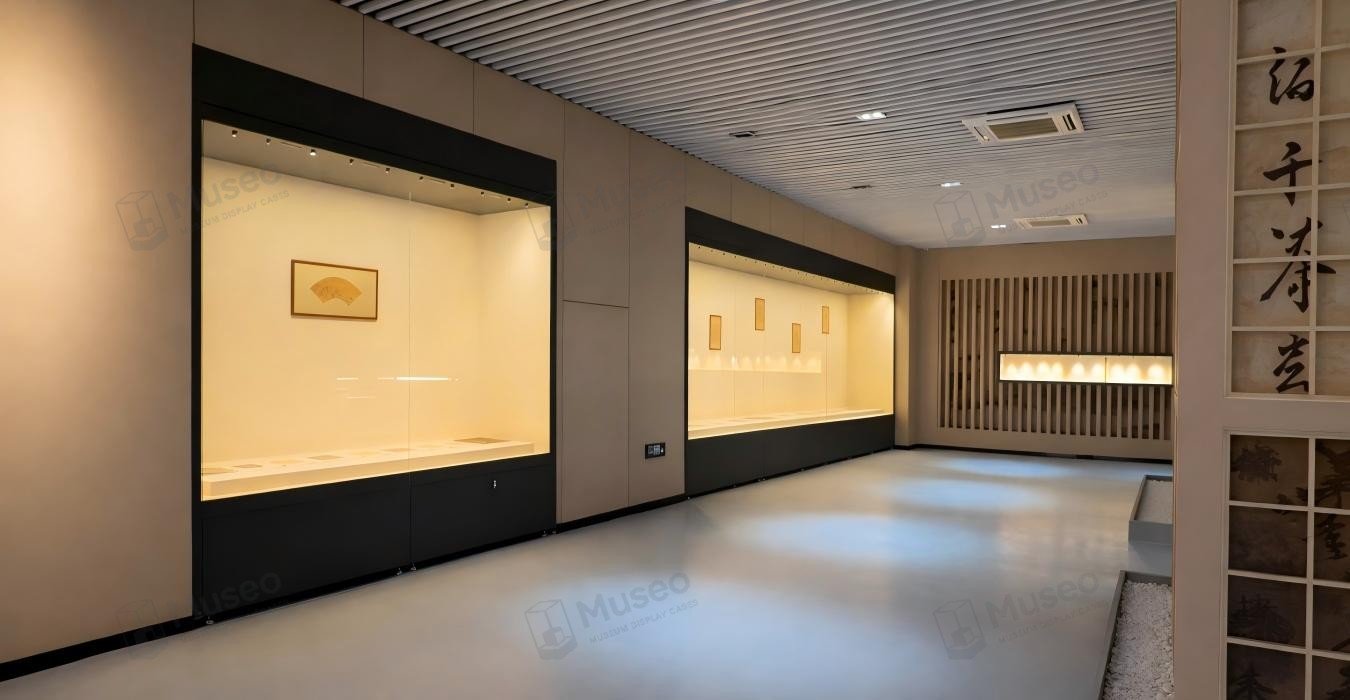
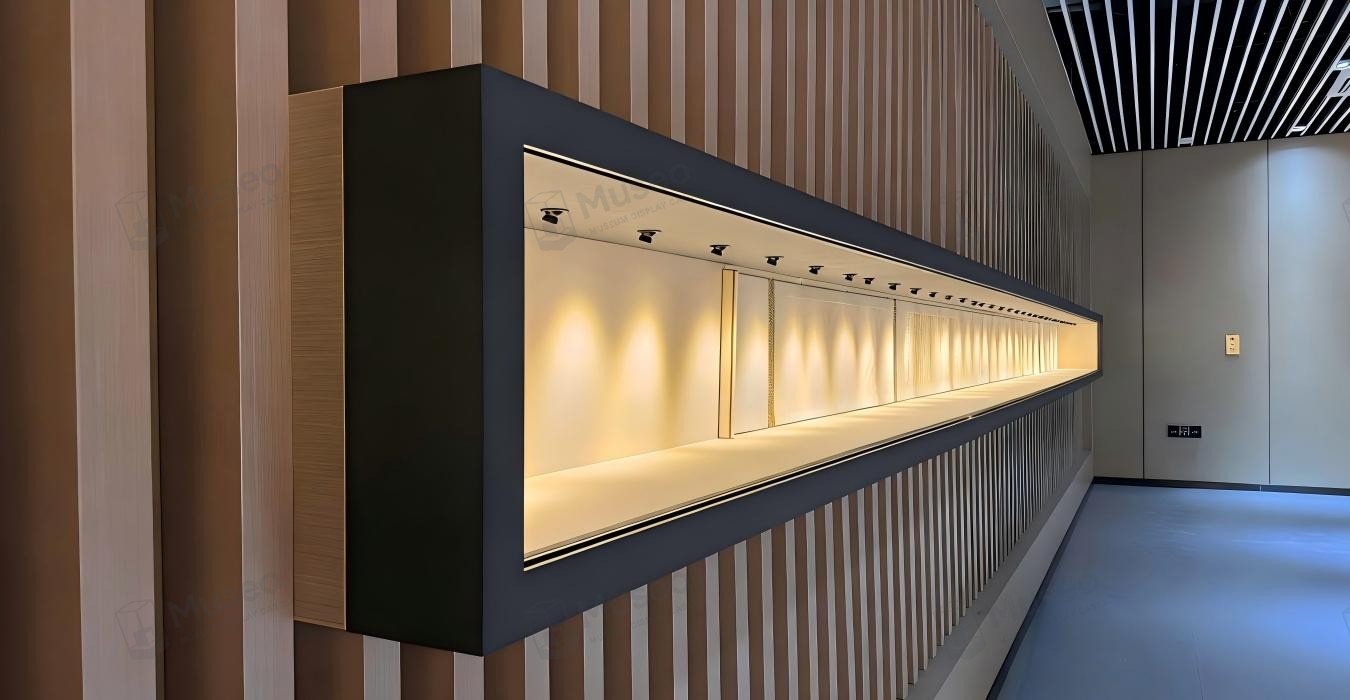
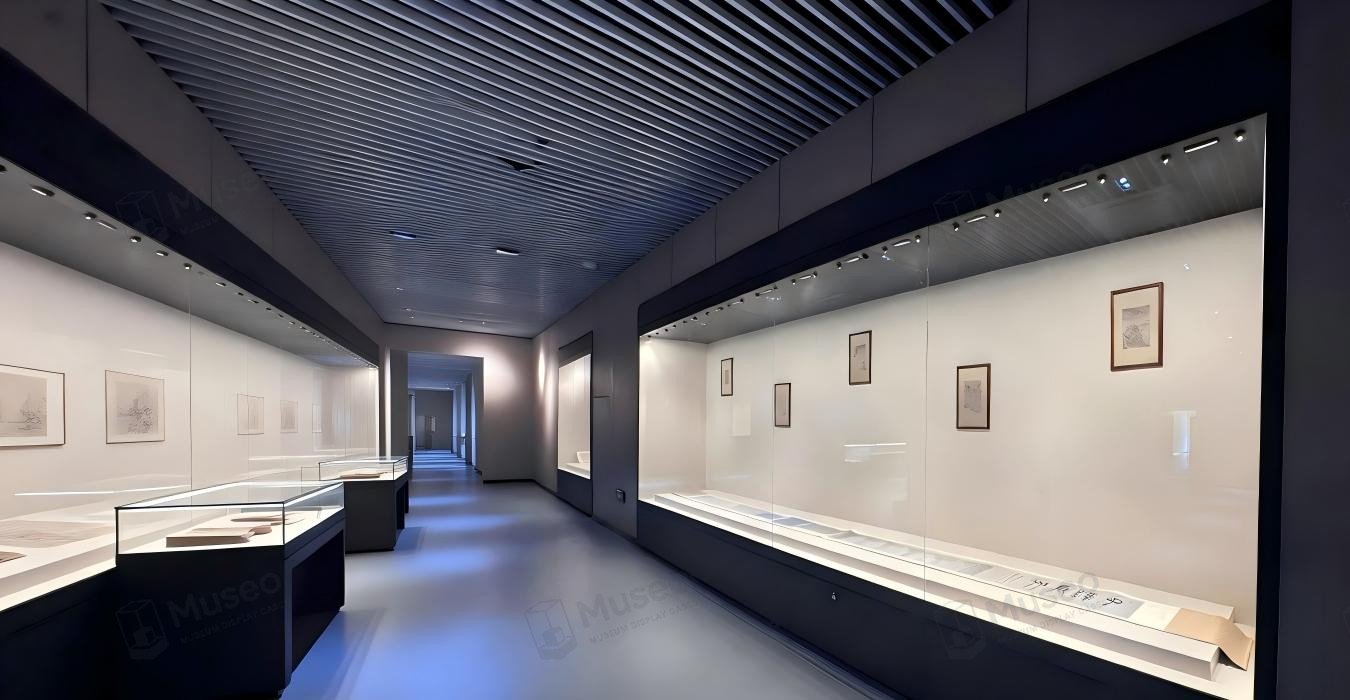
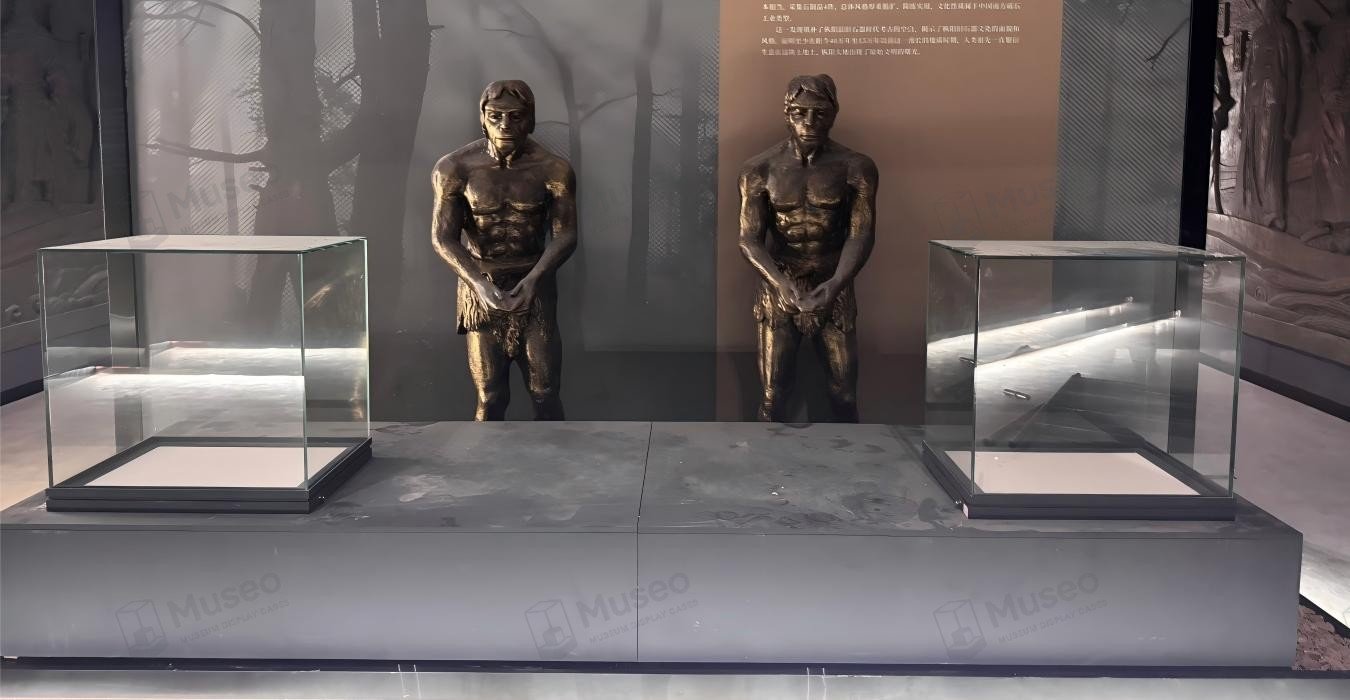
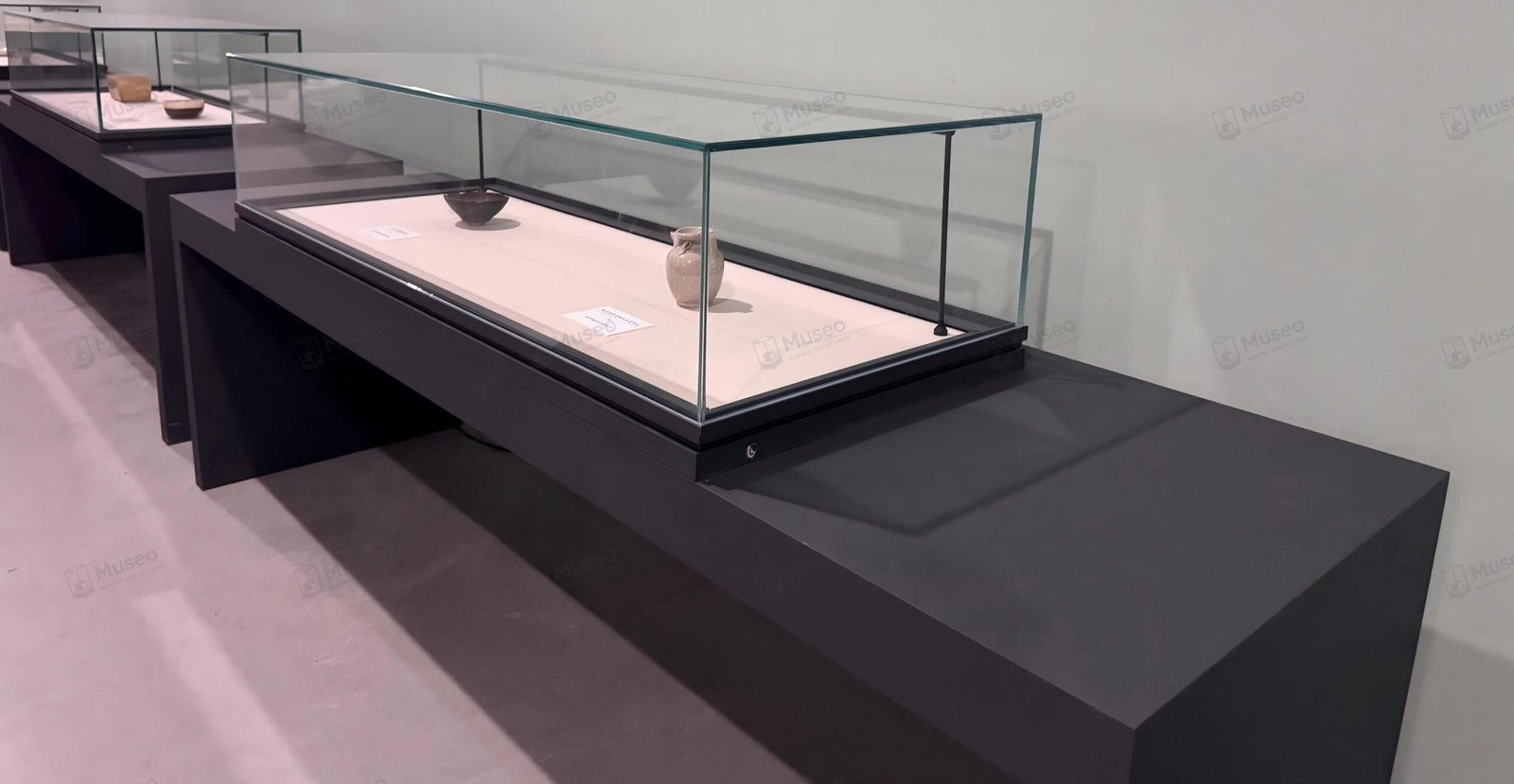
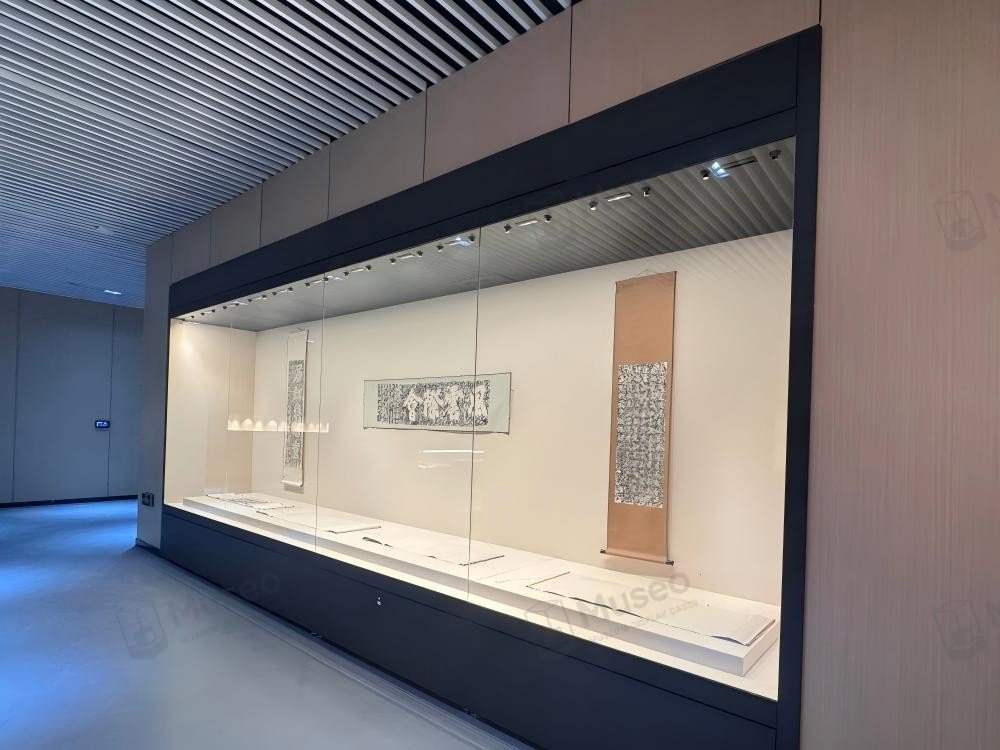
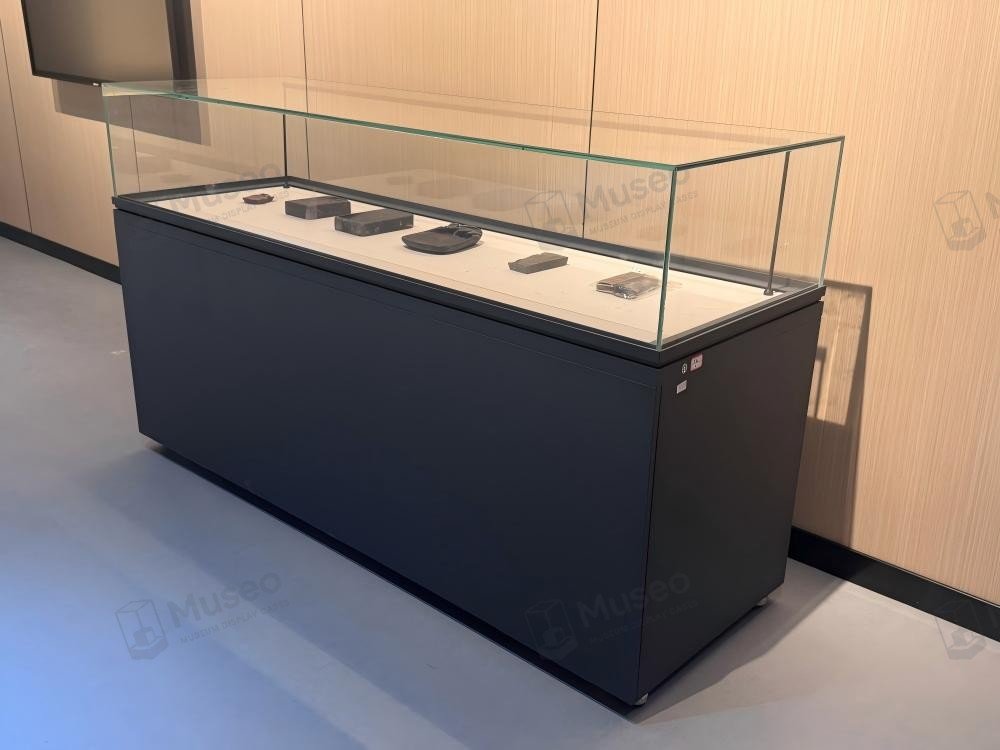
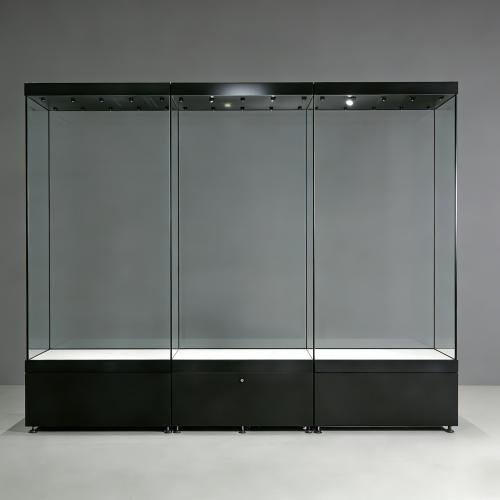
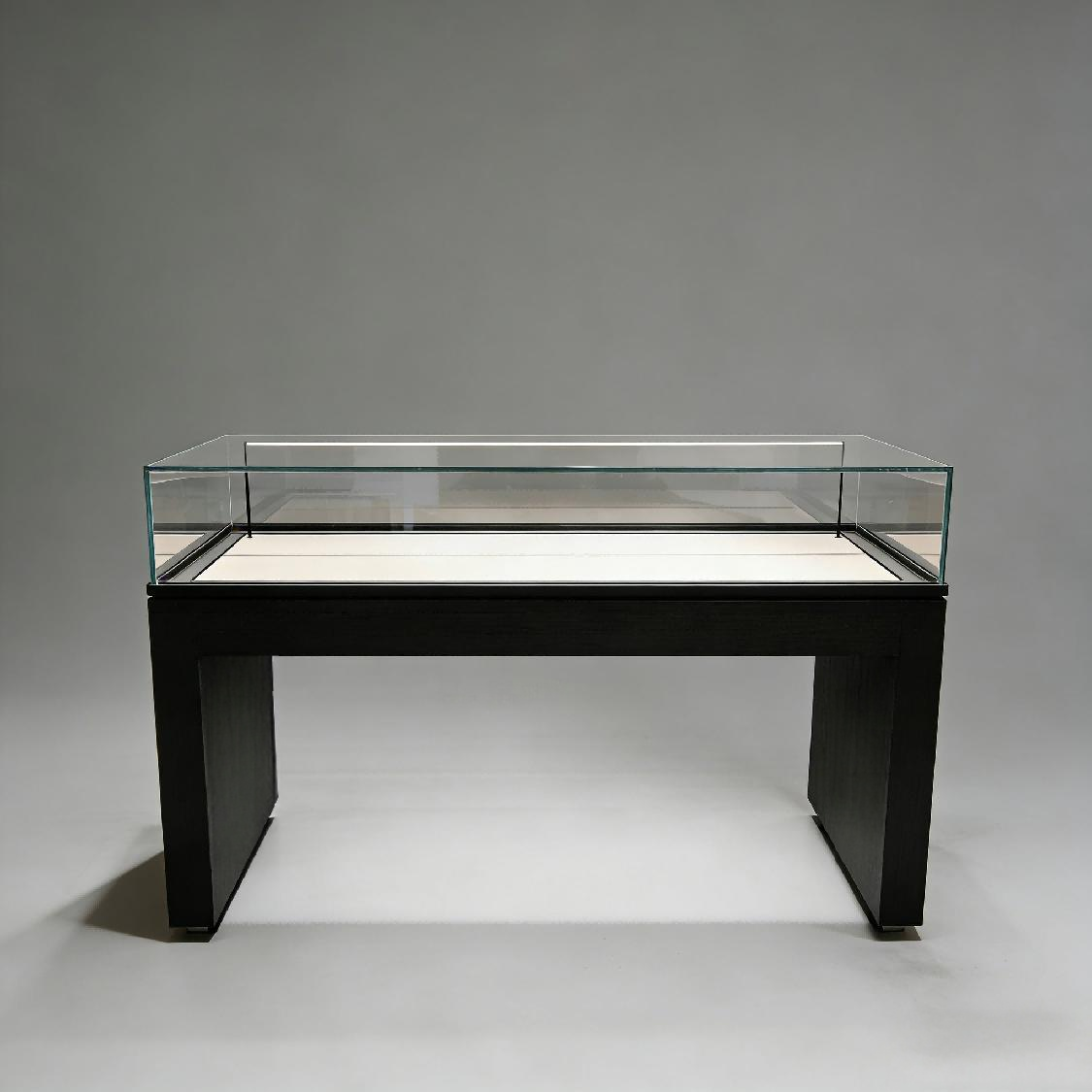
We supplied the museum with a total of 52 display cases across 15 distinct models. This range included freestanding cases, wall-mounted cases, niche cases, and counters.
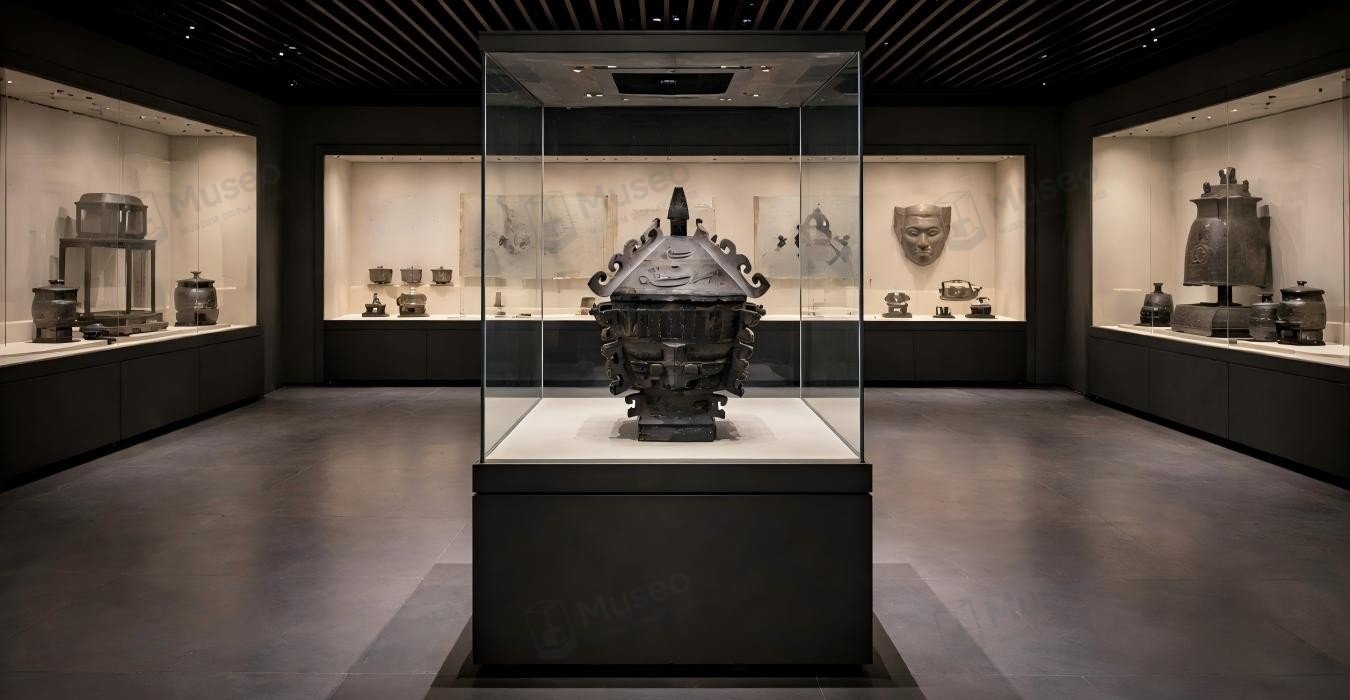
Western Zhou Dynasty Bronze Ritual Vessel (Fangyi) with Beast Face (Taotie) Pattern, unearthed in 1987 at the Tangjiadun site, represents the exceptionally high level of bronze casting technology in the Zongyang region during the Shang and Zhou periods. As the focal point of the project, the display and protection of this vessel were of paramount importance. This National Grade One cultural relic features a solemn, archaic form and intricate, exquisite ornamentation, serving as a tangible treasure for researching the local early civilization and bronze craftsmanship.

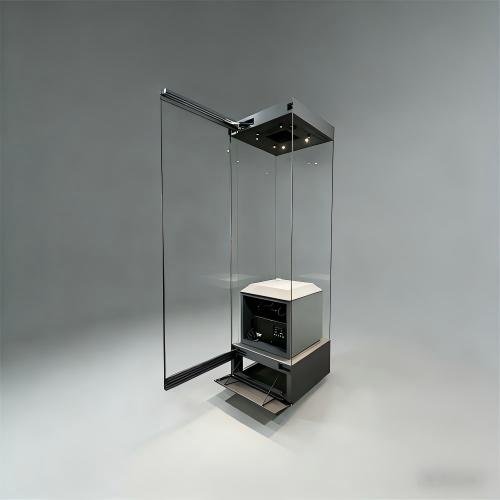
For such a top-tier bronze artifact, standard display cases are insufficient to meet both its exhibition and conservation needs. Our custom-designed case solution had to simultaneously address the following critical requirements:
1.Ultimate Security and Stability
The case structure required superior structural integrity and anti-theft performance.
2.Precise Microclimate Control
An integrated constant temperature and humidity system was essential to provide the optimal preservation environment for the metal object, preventing corrosion.
3.Unobtrusive, Top-Tier Optical Presentation
The use of low-reflection glass, combined with professional-grade lighting, ensured that visitors could clearly appreciate the vessel’s profound patterns and substantial
texture from every angle, while completely eliminating ultraviolet damage.
For Precious Paper-based Artworks and Documents: We provided specialized climate-controlled preservation cases. These units precisely regulate the internal microclimate and filter ultraviolet light, ensuring that paper-based cultural relics such as paintings, calligraphy, ancient texts, and overseas Chinese correspondence (Qiaopi) are protected from damage caused by fluctuations in temperature, humidity, and light radiation during display.
For Three-dimensional Artifacts and Flexible Exhibition Layouts: We extensively employed minimalist low-reflective glass display cases in various configurations, including elongated freestanding cases, connected display channels, and square-top viewing cases. Their high light transmittance and low reflection properties allow the colors and intricate details of three-dimensional exhibits like Chaozhou embroidery, wood carvings, and ceramics to be presented perfectly, without visual obstruction.
Display Cases for the Project
FAQ
1. How do we work with you? (Order Process)
Send an inquiry → Discuss requirements → Provide quotation → Pay deposit → Conceptual design → Drawing work → Production → Quality inspection → Packaging → Pay balance → Shipment.
2. Can you provide a quotation based on our drawings?
Yes, we can provide custom manufacturing services and quotations according to your requirements.
3. Are you a factory, and where is your factory located?
Yes, we are a factory entity specialized in manufacturing museum display props for years. Our factory is in Guangzhou City, Guangdong Province—you’re welcome to visit us for inspection!
4. Can we make a sample for quality inspection before placing an order?
Sample orders are acceptable, with sample fee and shipping costs to be borne by you
5. How long is the production lead time after placing an order?
After order confirmation, production is usually completed within 35 working days, with the exact timeline subject to order quantity.
6. What are the safest payment terms and the deposit ratio?
We support secure payment methods: T/T (Telegraphic Transfer) and Alibaba International Station Trade Assurance. A 50% deposit is required, and the balance must be paid before shipment.
7. Can we arrange quality inspection before shipment?
Certainly! Your QC personnel or third-party agencies are welcome for on-site inspection. We have our own quality inspection system before packaging to ensure product quality; if you’re unavailable for on-site checks, we can provide inspection reports as required.
تواصل معنا
اتصل بنا، واحصل على ورقة الأسعار، وتعرف على المزيد من الأخبار والمعلومات