


In the wave of innovation in museum exhibition design, display cases have long transcended the role of “artifact containers” to become creative building blocks for constructing historical narratives. Step into the “Ancient Storage Culture Special Exhibition” at a museum, and the set of modular combined artifact display cases will surely catch your eye—like carefully stacked “miniature storage settlements,” they tell the stories of pottery granaries and ancient containers with both professional rigor and vivid appeal.
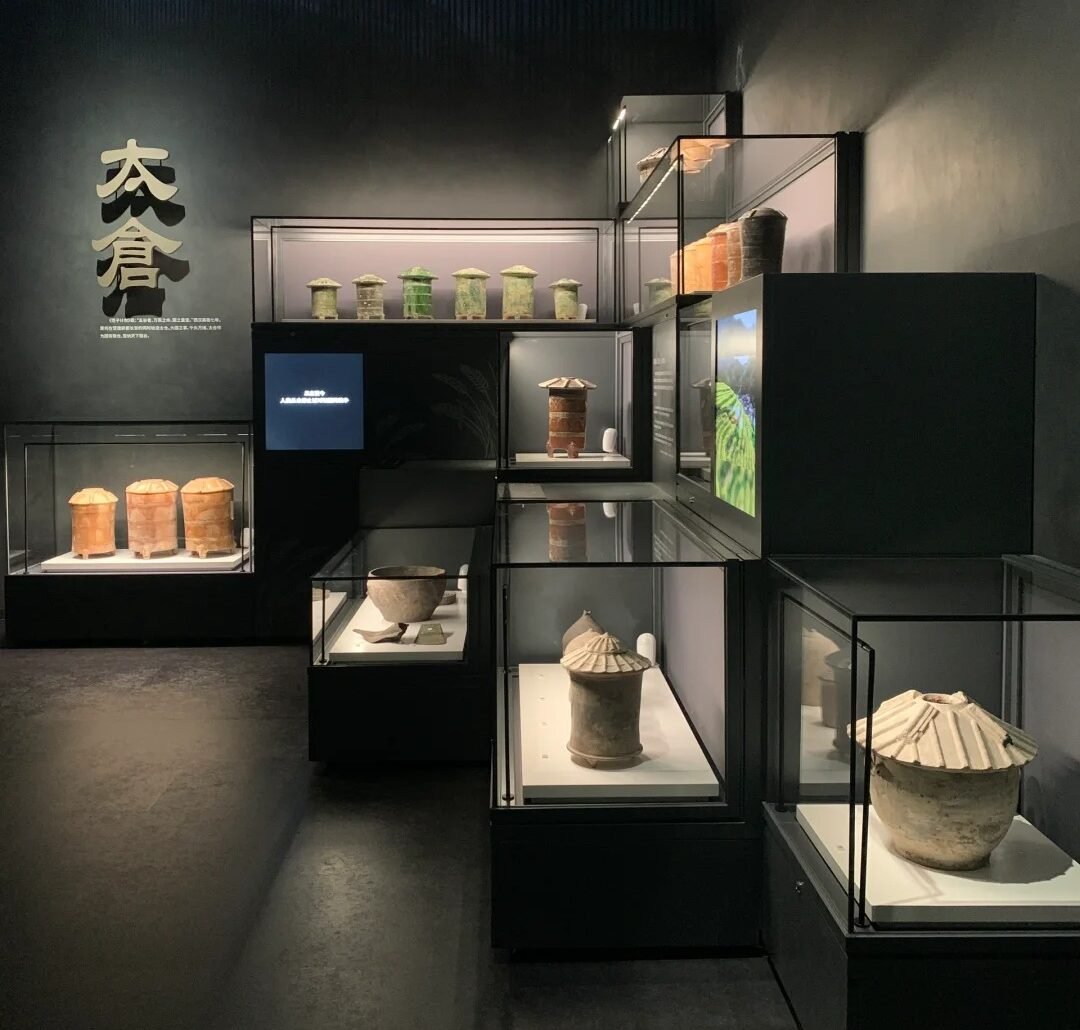
I. Structure: “Block-Style Assembly” Builds Historical Context
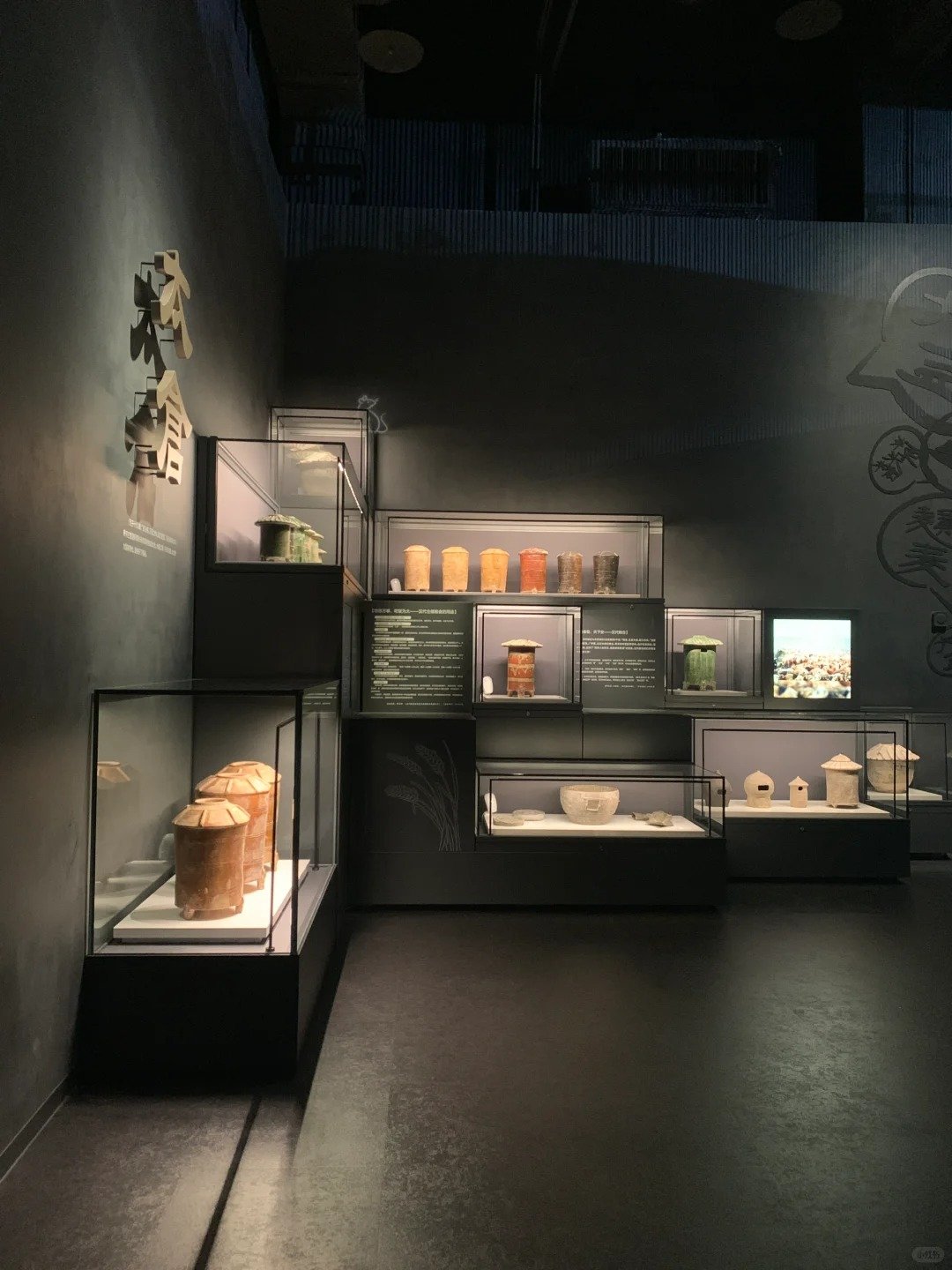
The core strength of these display cases lies in the narrative flexibility afforded by modular design. As seen in the “Ancient Storage” exhibition area, curators arrange black matte metal-framed cases (platform cases, wall-mounted cases, standalone cases) freely, like stacking blocks:
- Similar pottery granaries are lined up in horizontal cases in an order that progresses from “small to large in size, plain to vibrant in glaze,” allowing visitors to instantly grasp the “evolutionary trajectory of storage tools”;
- Uniquely crafted pottery containers (such as granaries with corrugated lids) are placed alone in wall-mounted or standalone cases, instantly becoming visual focal points—ensuring “the ingenuity of ancient craftsmen” isn’t overshadowed.
This “combinable, detachable” structure lets curators flexibly build narrative frameworks based on artifact types and exhibition themes—like “paragraph ” in writing, weaving scattered artifacts into a logically coherent “historical essay.”
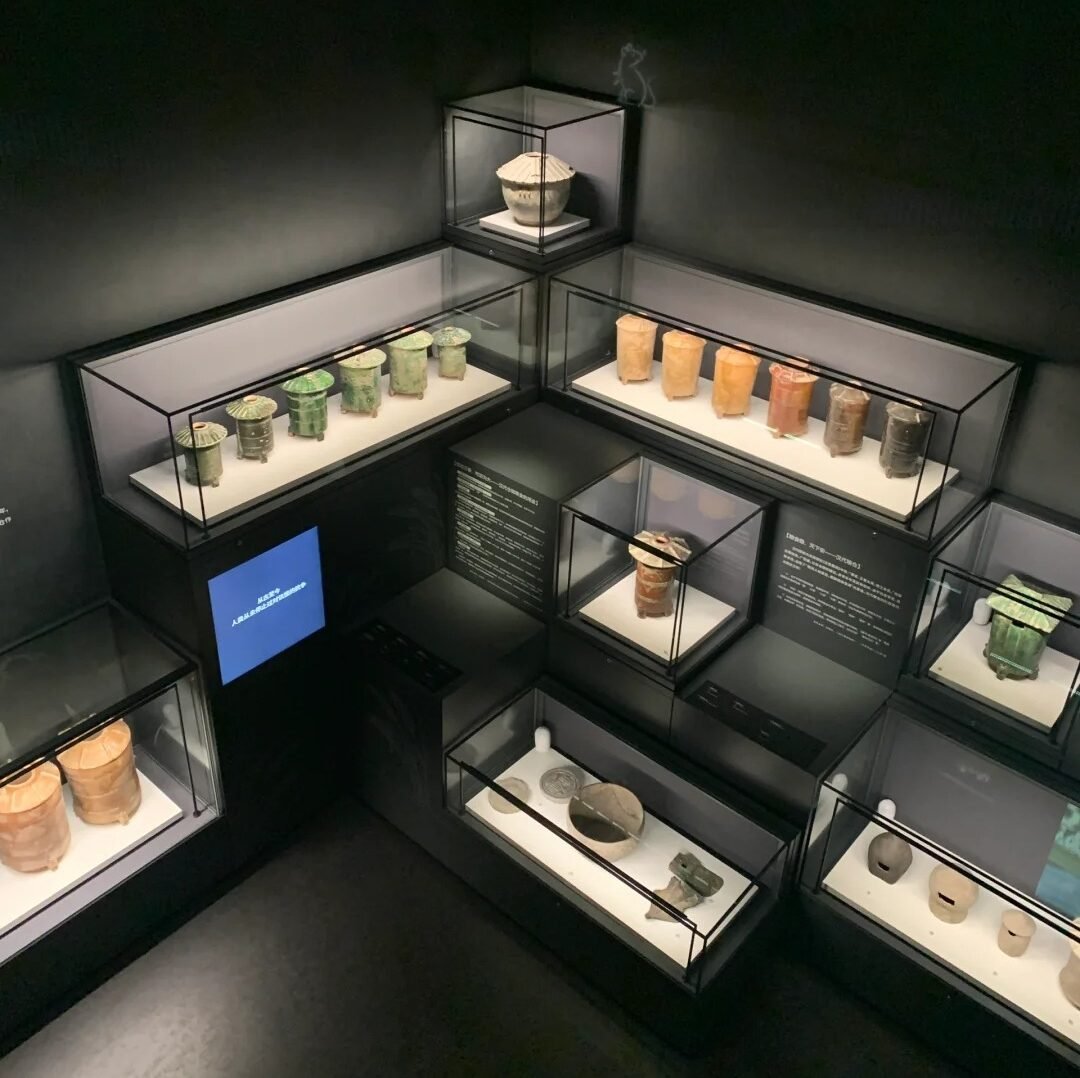
II. Lighting: “Directional Spotlights” Unlock Artifact Details
The built-in directional spot lighting systems of modular cases are the magic wands that make artifacts “speak.” In the “Ancient Storage” area, each spotlight acts like a precise “narrative pen”:
- When light falls on the lid of a pottery granary, it clearly outlines corrugated structural details, letting visitors immediately understand “the design wisdom of ancient people imitating real granaries”;
- When light focuses on the decorative patterns of a pottery container, light-and-shadow contrasts sharpen blurry incised lines, conveying “the aesthetic evolution of storage tools from utility to artistry.”
This lighting logic—”illuminating what matters most”—unfolds the hidden detail surprises of artifacts before visitors’ eyes, transforming history from flat textual descriptions into tangible, gaze-worthy stories.
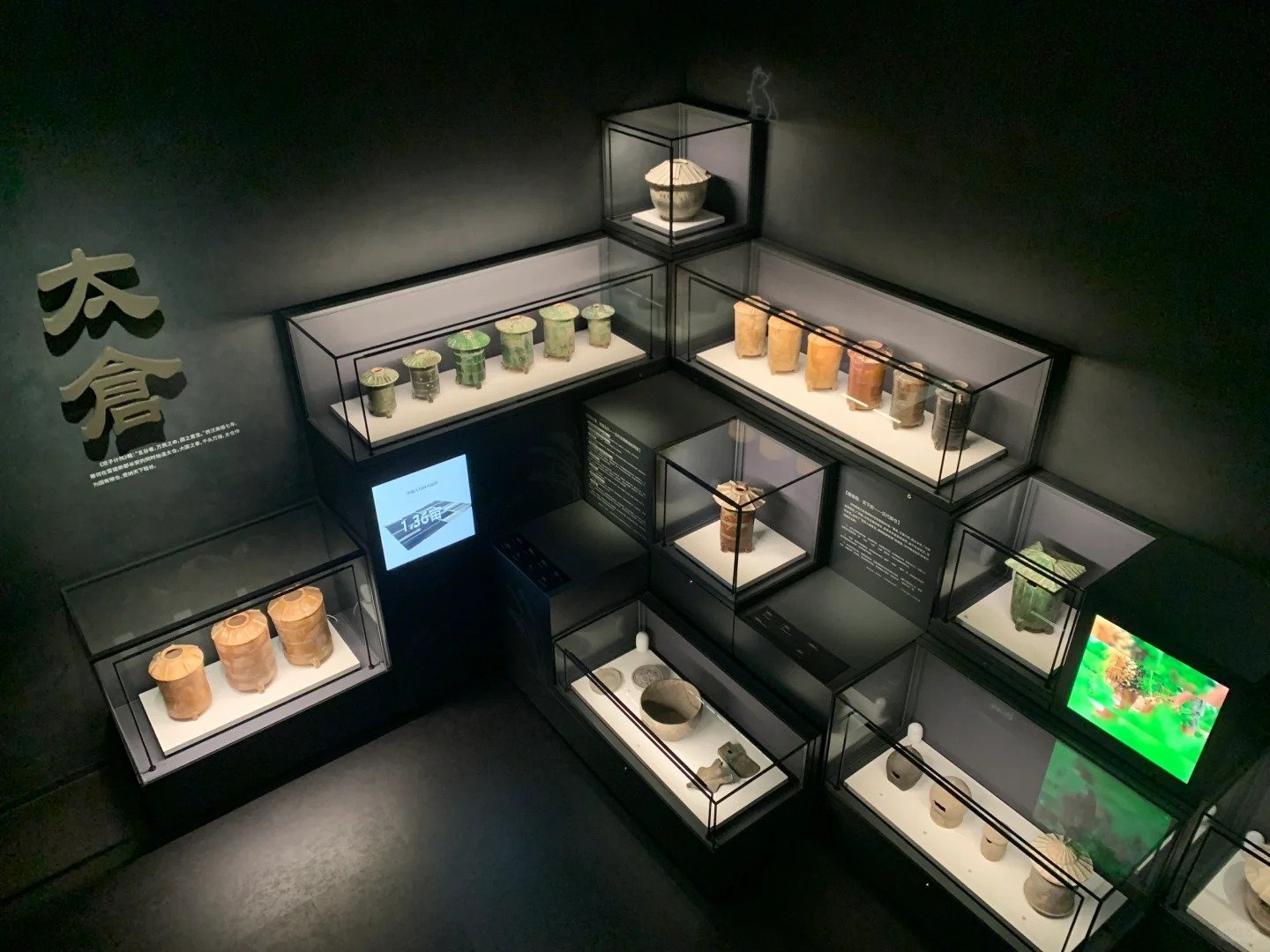
III. Space: “Scenario-Based Stacking” Revives Storage Memories
What’s even more brilliant is how modular cases adapt to spatial textures, creating immersive scenes. In the exhibition area, cases are grouped in a corner of the hall; their black frames and the deep gray wall form an “understated backdrop,” making the pottery granaries feel as if they’re “stacked in a corner of an ancient granary.”
This “scenario-based setup” isn’t just visually pleasing—it awakens emotional resonance in visitors. Standing before the cases, looking at the shapes and patterns of the granaries, you’ll unconsciously imagine “how ancient people planned storage and guarded grain,” letting the warmth of history seep through the spatial design of the cases.
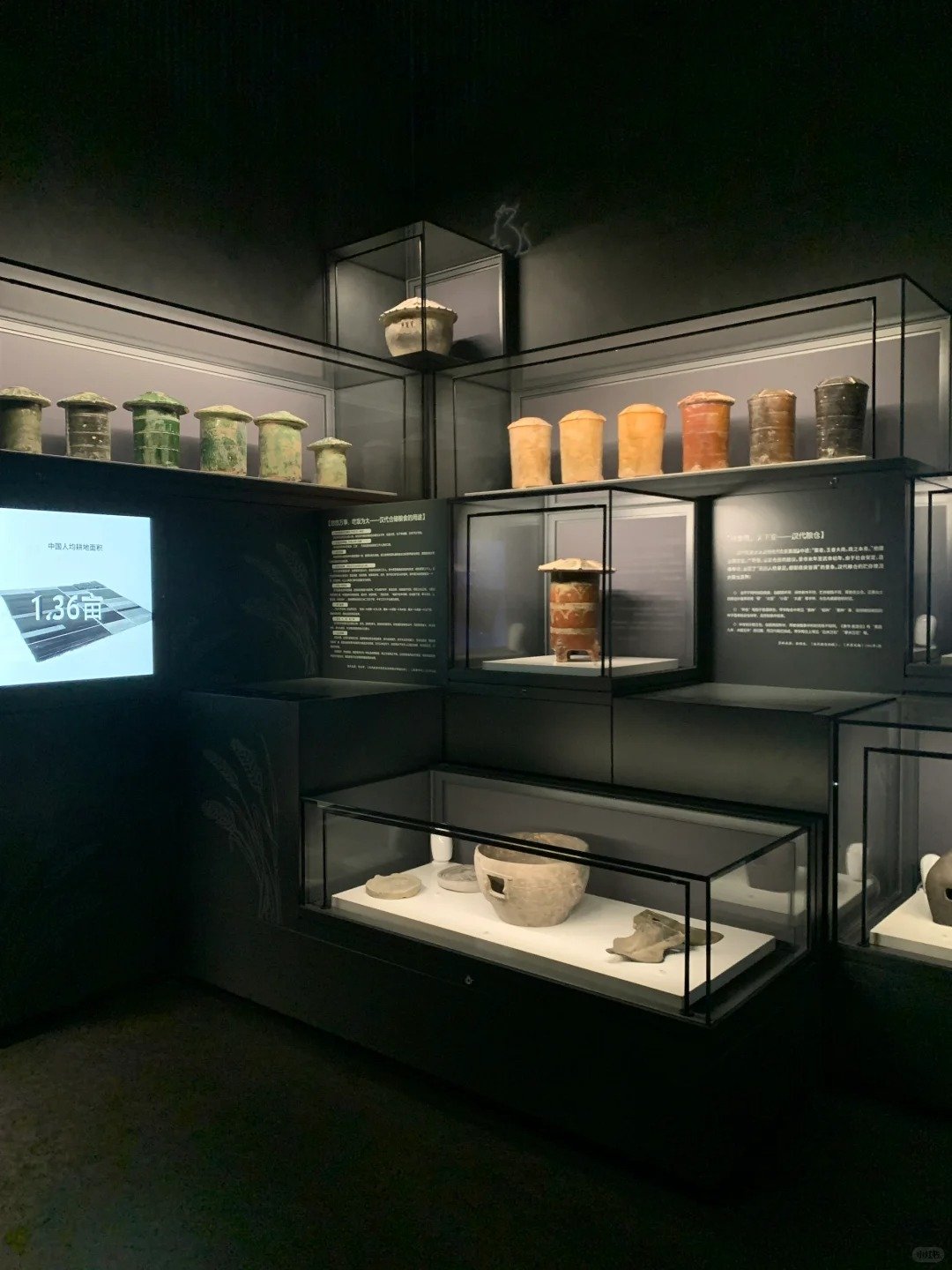
IV. Case Study: The Art of Modular Narrative in “Ancient Storage”
In this special exhibition, curators fully leveraged the advantages of modular cases:
- First, long horizontal cases lay out the overall evolutionary context of the “pottery granary family”;
- Then, standalone wall-mounted cases highlight “craftsmanship masterpieces” (such as painted pottery granaries);
- Finally, platform cases display storage tools (like pottery measuring vessels), forming a “macro to micro” narrative loop.
As visitors walk along the layout of the cases, they follow a “historical thread,” naturally understanding “how ancient storage evolved from practical function to cultural value.”
Epilogue: Modular Cases, Bringing Artifact Narratives to Life
At their core, modular combined display cases are a “three-dimensional narrative pen” in curators’ hands—they build logic with structure, focus on details with light, and create scenes with space. Next time you encounter such cases in a museum, slow down and observe how these “blocks” make silent artifacts tell vivid stories.
After all, great display cases are never cold glass boxes—they’re partners that let visitors “play with blocks and read history” together.