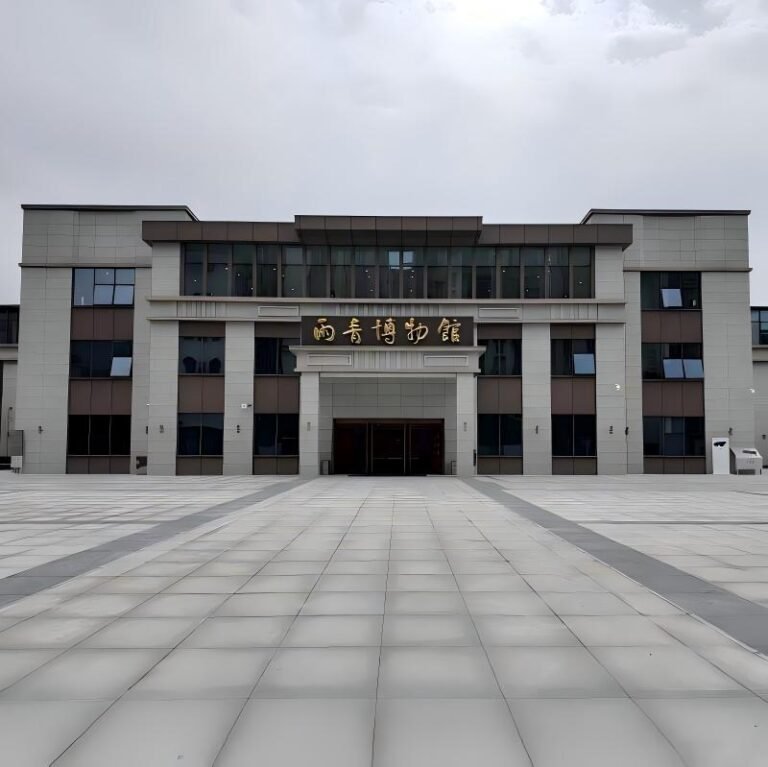
The Grand Canal Museum of Beijing
Beijing City,China 2023.3
The core exhibition theme of the Beijing Grand Canal Museum is ‘The Grand Canal Floated Beijing City,’ with ‘people, water, and city’ as its main narrative thread. The permanent exhibition ‘Jinghua Tonghui, Canal Yongji’ (or ‘Prosperous Capital, Perpetual Canal’) systematically demonstrates the decisive role of the Grand Canal in Beijing’s water supply, grain transport, and cultural development, interpreting the interdependent and co-evolving relationship between the canal and the ancient capital.
In the lead‑up to the official opening of the Beijing Grand Canal Museum at the end of 2023, in order to meet the display requirements of its permanent exhibitions and special exhibitions, the museum intensively launched tenders for showcase procurement and detailed design in the second half of that year (e.g., a permanent exhibition project with a budget of 61.59 million RMB), requiring showcases to feature high airtightness and security. This tight construction window was precisely the market opportunity for your company to provide customised museum display cabinet renovation services for the museum.
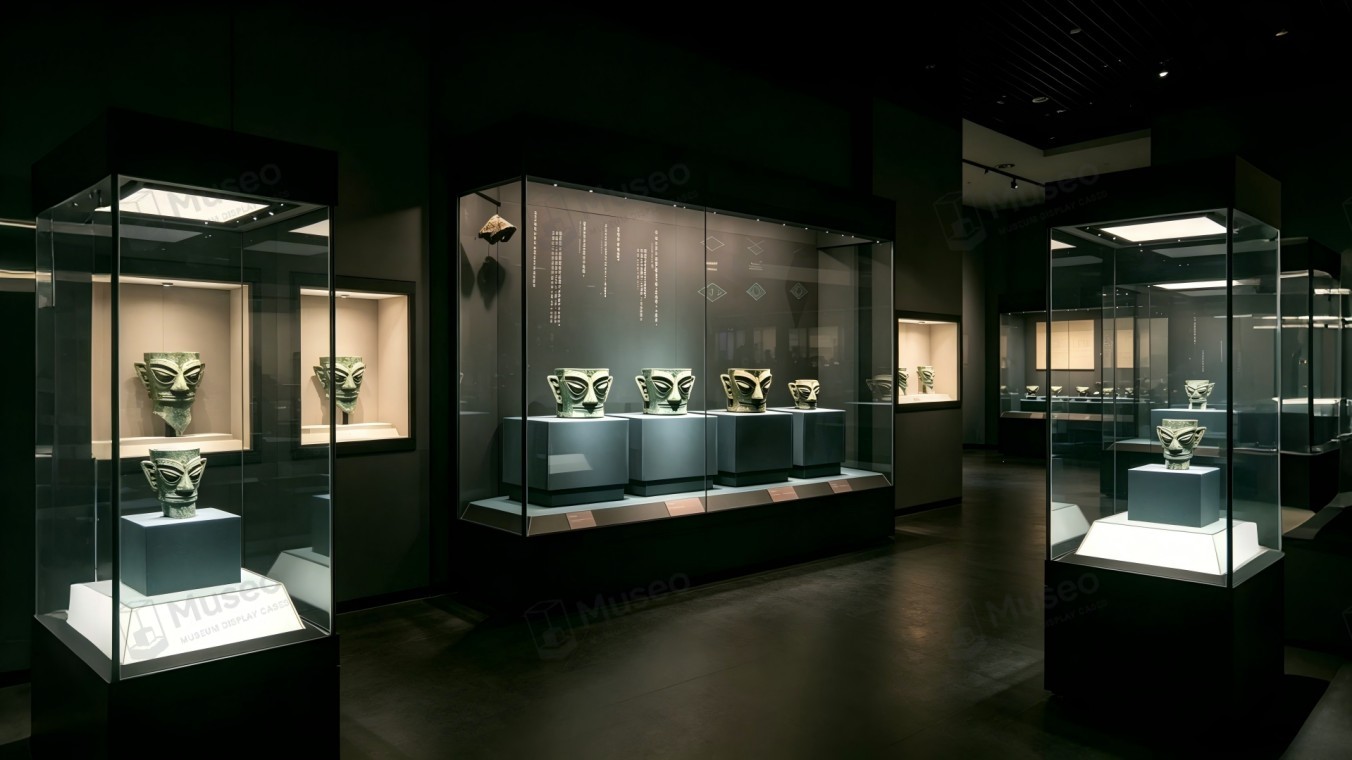
After the showcase renovation, the Beijing Grand Canal Museum will focus on advancing its “Digital Wisdom Capital Museum” smart construction, continue to launch the “Origins of Chinese Civilisation” series of exhibitions and Beijing‑Tianjin‑Hebei joint exhibitions, develop the “Smart & Fun Tongzhou – Museum Discovery Route” educational itinerary, and open an “Antique Hospital” to allow the public to observe the restoration of paintings and calligraphy, thus achieving comprehensive upgrades in exhibitions, technology, education, and cultural relics conservation.
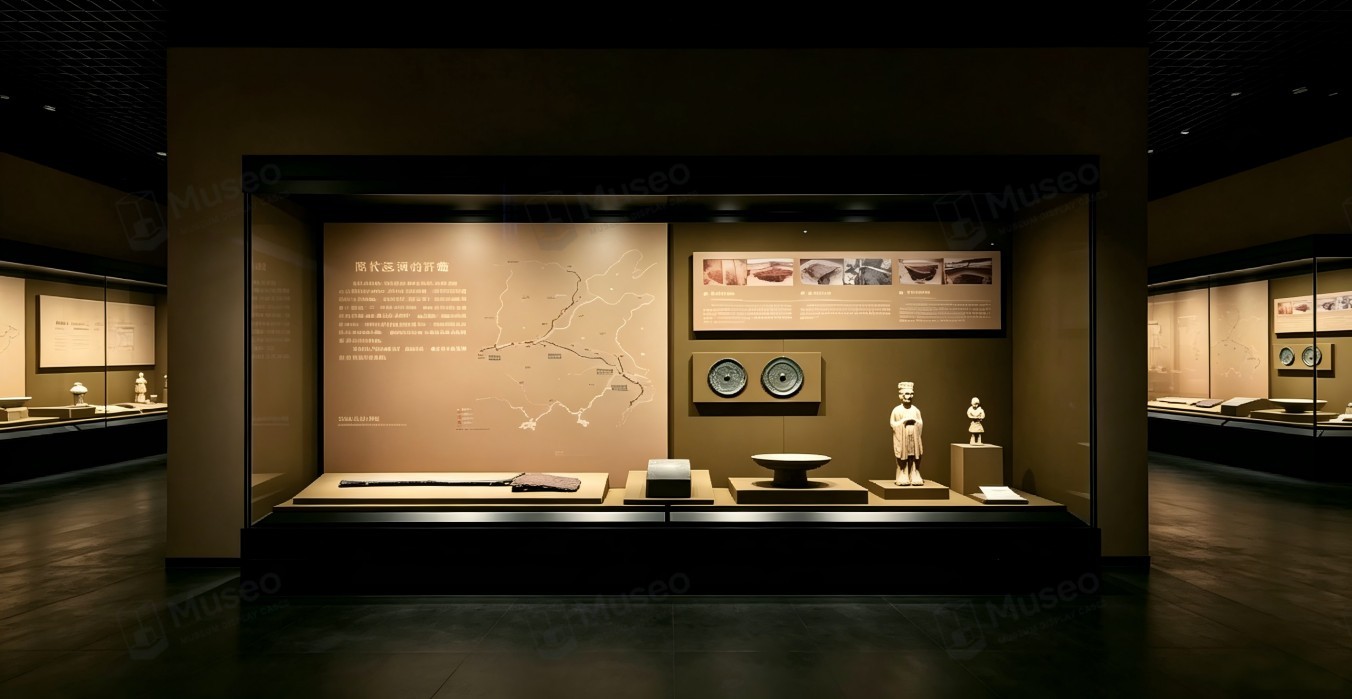
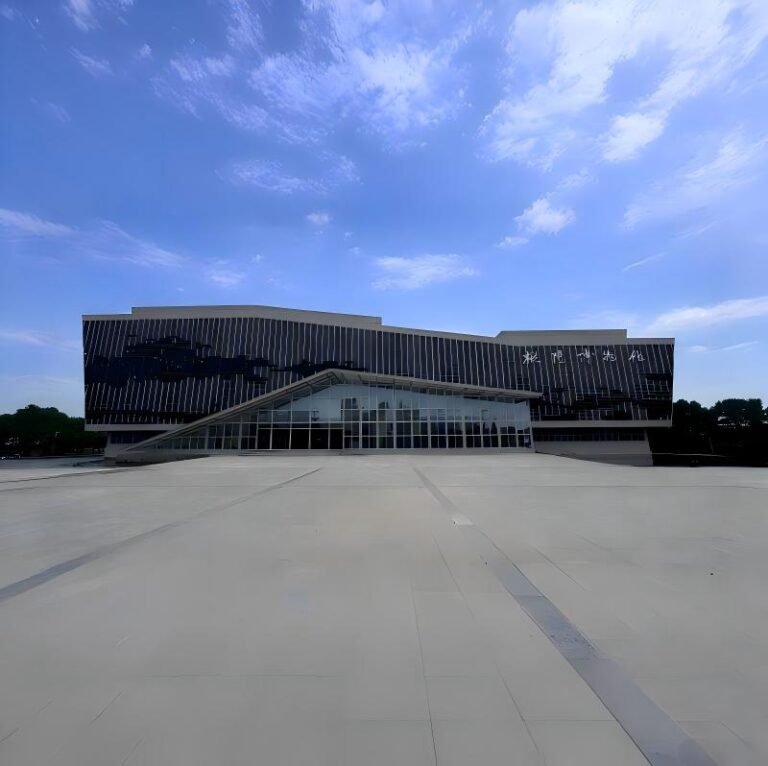
The Beijing Grand Canal Museum has a total floor area of approximately 99,700 square meters, with about 32,000 square meters dedicated to exhibition space. The museum building stands 35 meters tall and mainly consists of two structures: the Shared Hall and the Exhibition Building (the main building), connected by a bridge corridor. It has three floors above ground and one basement level. In terms of exhibits, the museum’s exhibition system comprises four major types: permanent exhibitions, thematic exhibitions, open displays, and temporary exhibitions, featuring a total of about 6,000 cultural relics. Among them, the permanent exhibition on the second floor, titled “Jinghua Tonghui, Canal Yongji: Beijing and the Grand Canal’s Historical Culture,” displays over 1,000 artifacts, systematically presenting the history and culture of the canal and the city of Beijing.
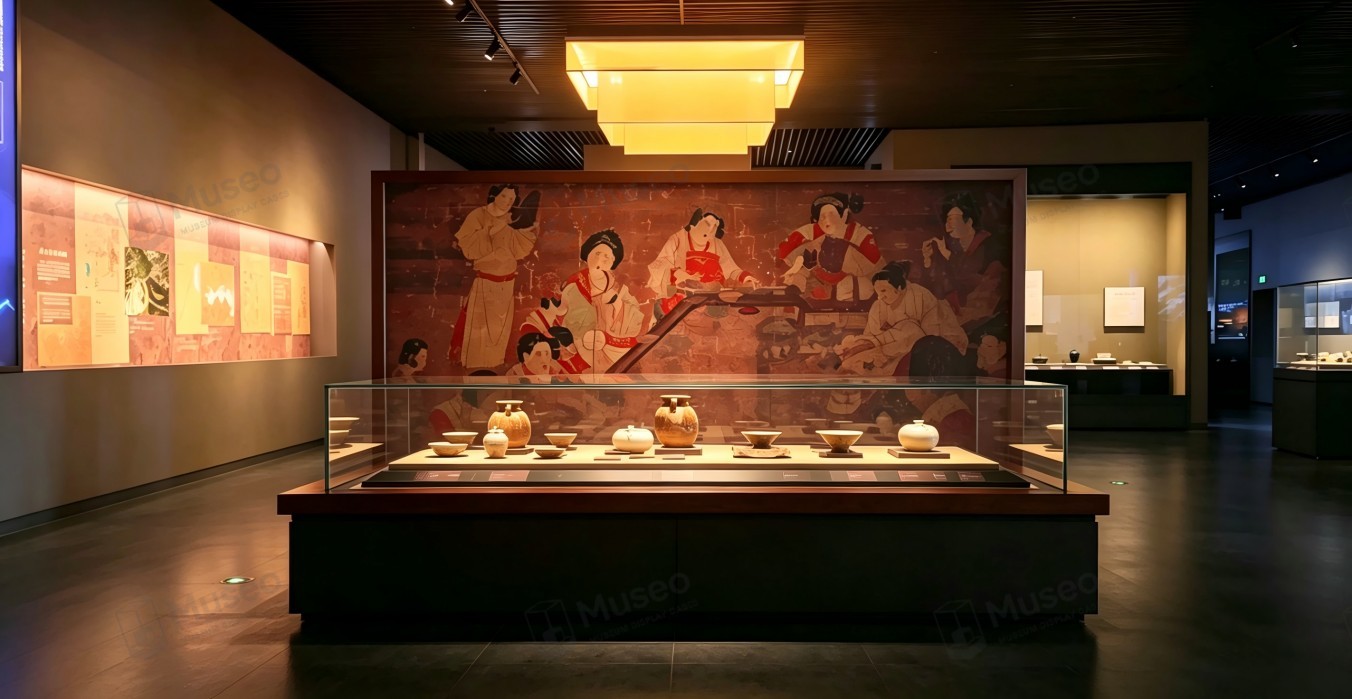
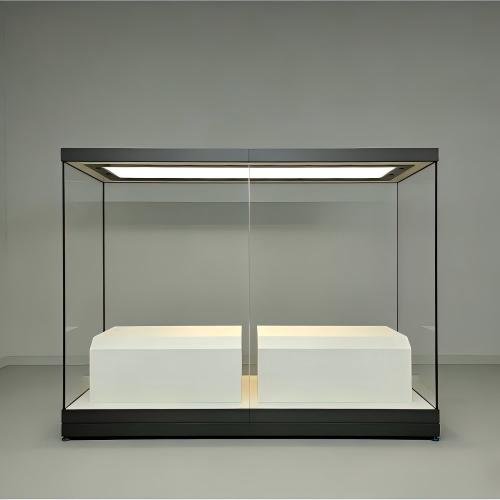
For daily-use ceramic ware, we adopted an island‑style low horizontal long museum display cabinet. Its low, horizontal height is optimized for standing eye‑level viewing, while the long visual span allows visitors to take in the entire group of artifacts at a single glance.
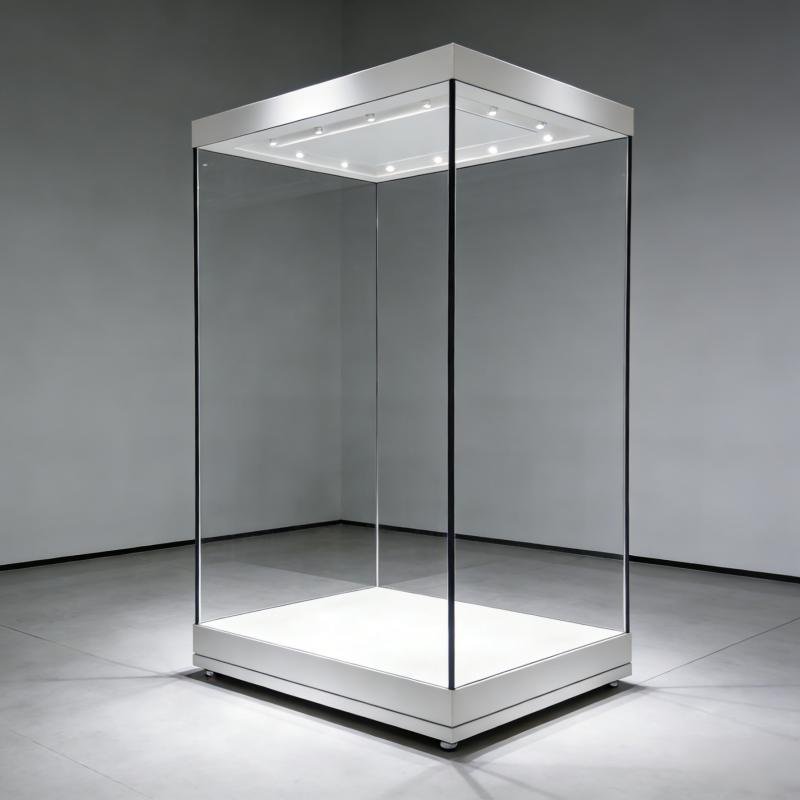
For lifelike wax figures, we used a set of freestanding vertical museum display cabinet with four fully transparent sides. The all‑glass design on all four sides enables visitors to walk around and examine the figures in complete detail. The paired side‑by‑side arrangement presents a neat and imposing look, making it a focal point when placed in the open area of the exhibition hall.
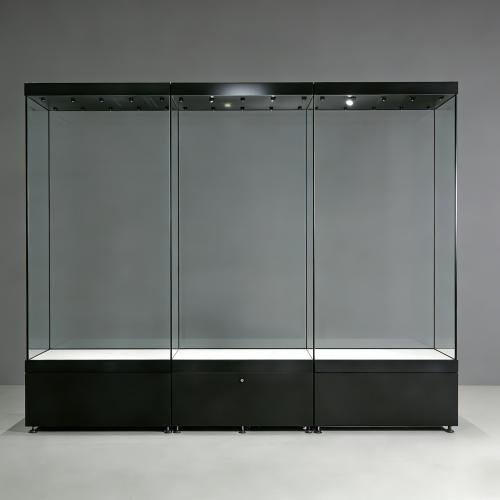
To meet the display requirements of various cultural relics, we have produced over 70 display cases in 13 different types for the museum, including wall-mounted display cases, island-style horizontal long display cases, freestanding vertical four-sided transparent display cases, and so on.
“Your company’s team, with extraordinary professionalism and superb craftsmanship, successfully completed the task of renovating and customizing museum vitrine display cases for the Beijing Grand Canal Museum before its opening. The team not only accurately understood and strictly complied with national standards such as the ‘Basic Technical Requirements for Cultural Relic Display Cases’, but also ensured that the design, fabrication, and installation of the museum vitrine display cases reached industry‑leading levels through abundant creativity. At the same time, the high level of dedication and service awareness demonstrated throughout the process not only won the museum’s sincere praise and deep trust, but also laid a solid foundation for advancing the capital’s cultural heritage endeavors into a new era of smart development.”
—— Exhibition Department, Beijing Grand Canal Museum
For ancient pottery figurines, we used along‑the‑wall continuous museum vitrine display cases. These museum vitrine display cases are placed against the wall to save floor space in the exhibition hall. The ultra‑clear low‑reflection glass filters out ultraviolet light, preventing aging and fading caused by light exposure.y.
For carved porcelain vases, we adopted freestanding central podium museum vitrine display cases. These museum vitrine display cases feature fully transparent glass on all four sides, allowing visitors to walk around and admire the vase from every angle. The centrally placed, elevated podium enhances the prominence and recognizability of the artifact.
Display Cases for the Project
PREGUNTAS FRECUENTES
1. ¿Cómo trabajamos con usted? (Proceso de pedido)
Enviar una consulta → Discutir requisitos → Proporcionar cotización → Pagar depósito → Diseño conceptual → Trabajo de dibujo → Producción → Inspección de calidad → Embalaje → Pagar saldo → Envío.
2. ¿Puede hacernos un presupuesto basado en nuestros dibujos?
Sí, podemos ofrecerle servicios de fabricación a medida y presupuestos según sus necesidades.
3. ¿Es usted una fábrica y dónde está ubicada?
Sí, somos una entidad de fábrica especializada en la fabricación de accesorios de exhibición de museo durante años. ¡Nuestra fábrica está en la ciudad de Guangzhou, provincia de Guangdong-usted es agradable visitarnos para la inspección!
4. ¿Podemos hacer una muestra para inspeccionar la calidad antes de hacer un pedido?
Se aceptan pedidos de muestras, pero los gastos de envío correrán a cargo del cliente.
5. ¿Cuál es el plazo de producción tras realizar un pedido?
Tras la confirmación del pedido, la producción suele completarse en 35 días laborables, aunque el plazo exacto depende de la cantidad del pedido.
6. ¿Cuáles son las condiciones de pago más seguras y el coeficiente de depósito?
Apoyamos métodos de pago seguros: T/T (transferencia telegráfica) y Alibaba International Station Trade Assurance. Se requiere un depósito de 50%, y el saldo debe ser pagado antes del envío.
7. ¿Podemos organizar una inspección de calidad antes del envío?
Por supuesto. Su personal de control de calidad o agencias externas son bienvenidos para la inspección in situ. Tenemos nuestro propio sistema de inspección de calidad antes del envasado para garantizar la calidad del producto; si no está disponible para los controles in situ, podemos proporcionar informes de inspección según sea necesario.
PONERSE EN CONTACTO
Póngase en contacto con nosotros, obtenga la hoja de presupuesto y conozca más noticias e información