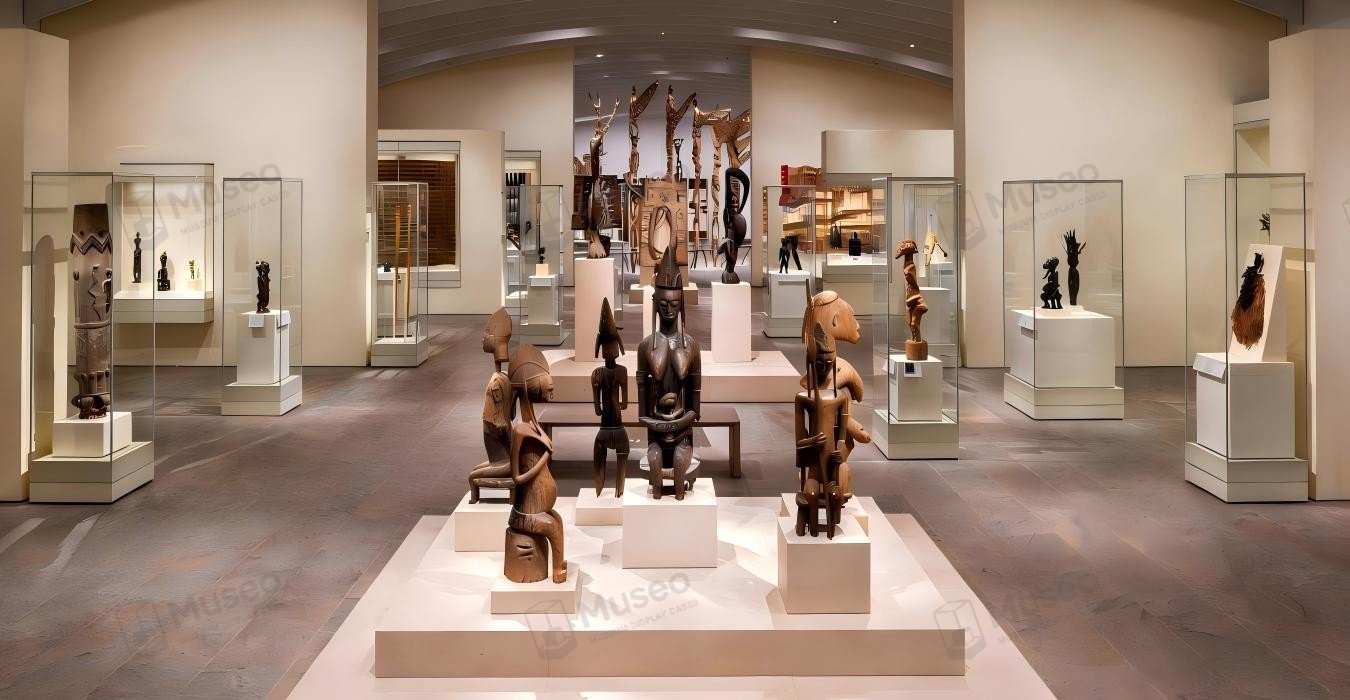
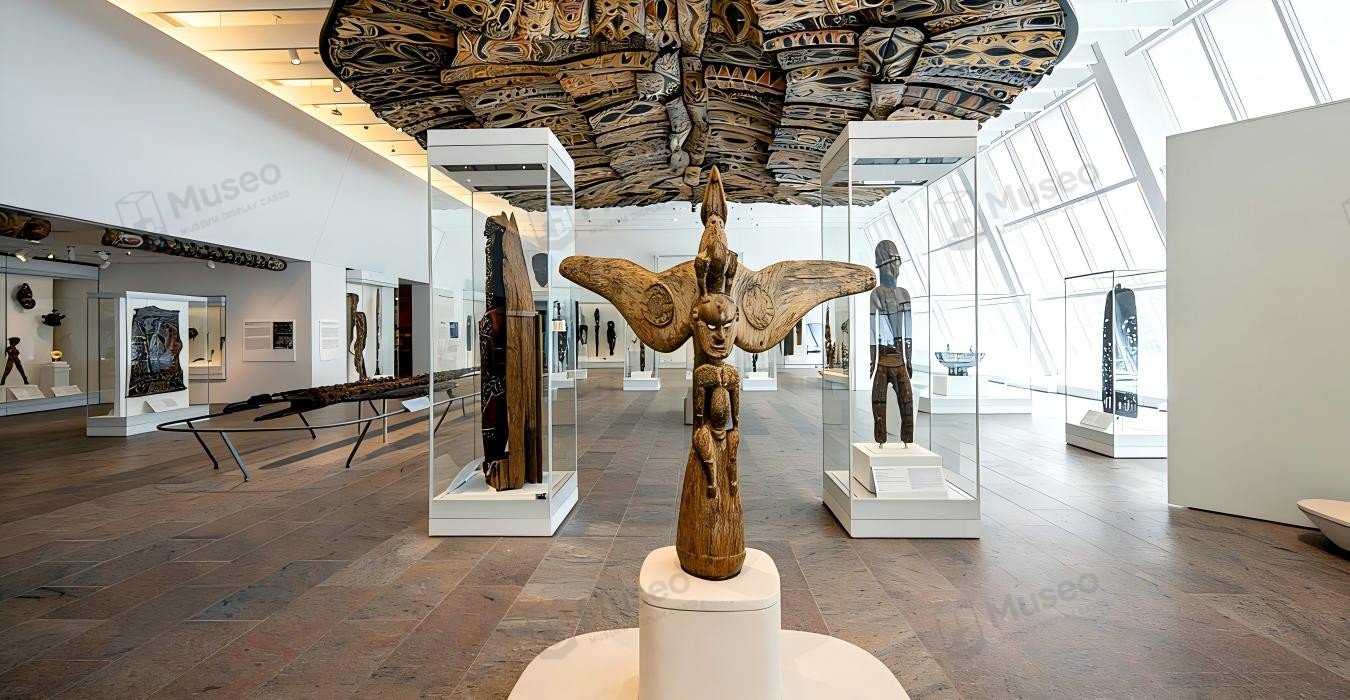
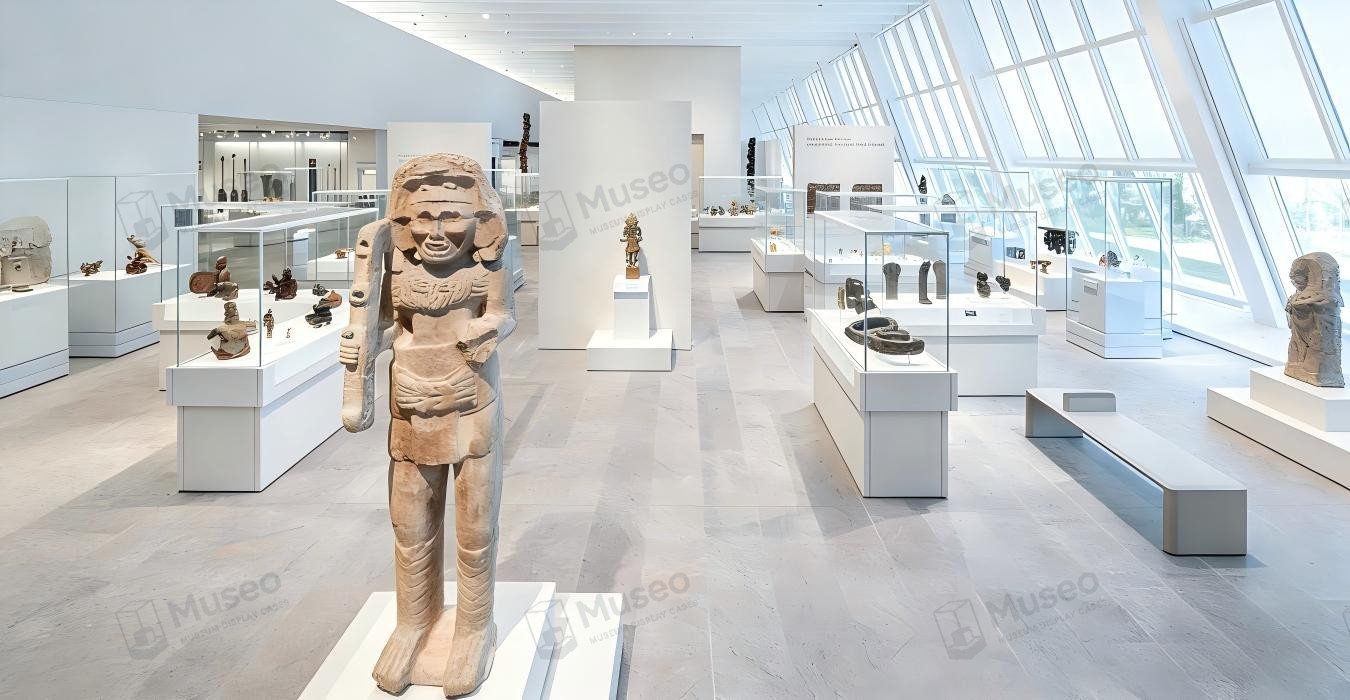
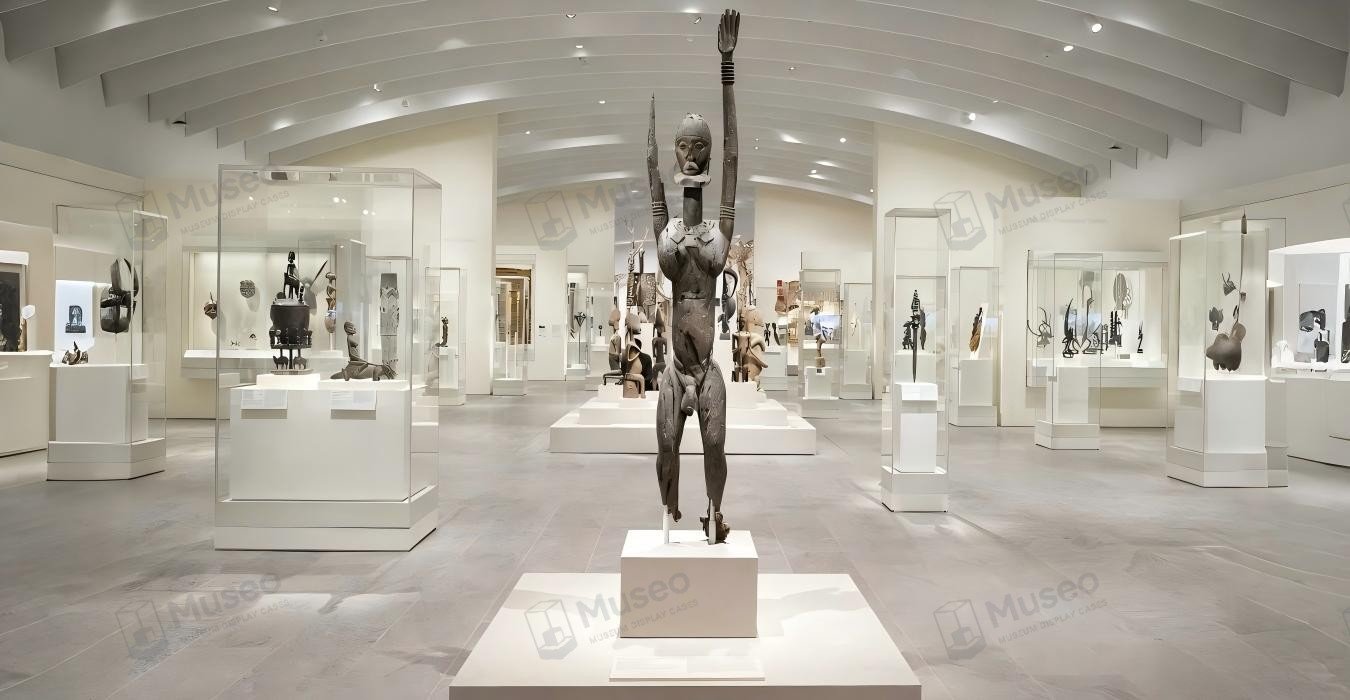
The theme of the Metropolitan Museum of Art can be summarized as an “encyclopedic presentation of art.” Its official mission is to collect, study, conserve, and present outstanding works of art that span all eras—from prehistoric times to the present, across 5,000 years of world civilizations—and cultures, thereby connecting the creativity, knowledge, and ideas of all humanity.
As one of the largest art museums in the world, the Metropolitan Museum of Art is not only a guardian of civilizations but also a benchmark for exhibition technology. With the strategic renovations of the Rockefeller Wing and the Condé Nast Gallery in 2025–2026, the museum imposed exceptionally stringent requirements on display cases: they must visually “disappear,” allowing viewers to engage directly with artistic spirits spanning five thousand years, thereby achieving a transition from “traditional display” to “immersive storytelling.”
After the completion of our project, the museum has the following plans for the future: the core themes are “Resonance of Diverse Civilizations” and “Technology-Empowered Conservation.”Moving away from outdated classifications, 282 sets of custom display cases will be used to redefine the global status of African, Ancient American, and Oceanic art.For wooden sculptures, metal ritual vessels, and ancient textiles, each display case is equipped with independent micro-environment regulation.
The main building of the Metropolitan Museum of Art covers a total area of approximately 200,000 square meters (about 2 million square feet), with a main structure of five floors and over 300 galleries. It houses more than 1.5 million core art pieces across 17 curatorial departments. The collection encompasses art from ancient civilizations and the medieval period, over 33,000 pieces of costumes and accessories spanning the 15th century to the present, arms and armor, musical instruments from around the world, as well as prints and drawings.ld.
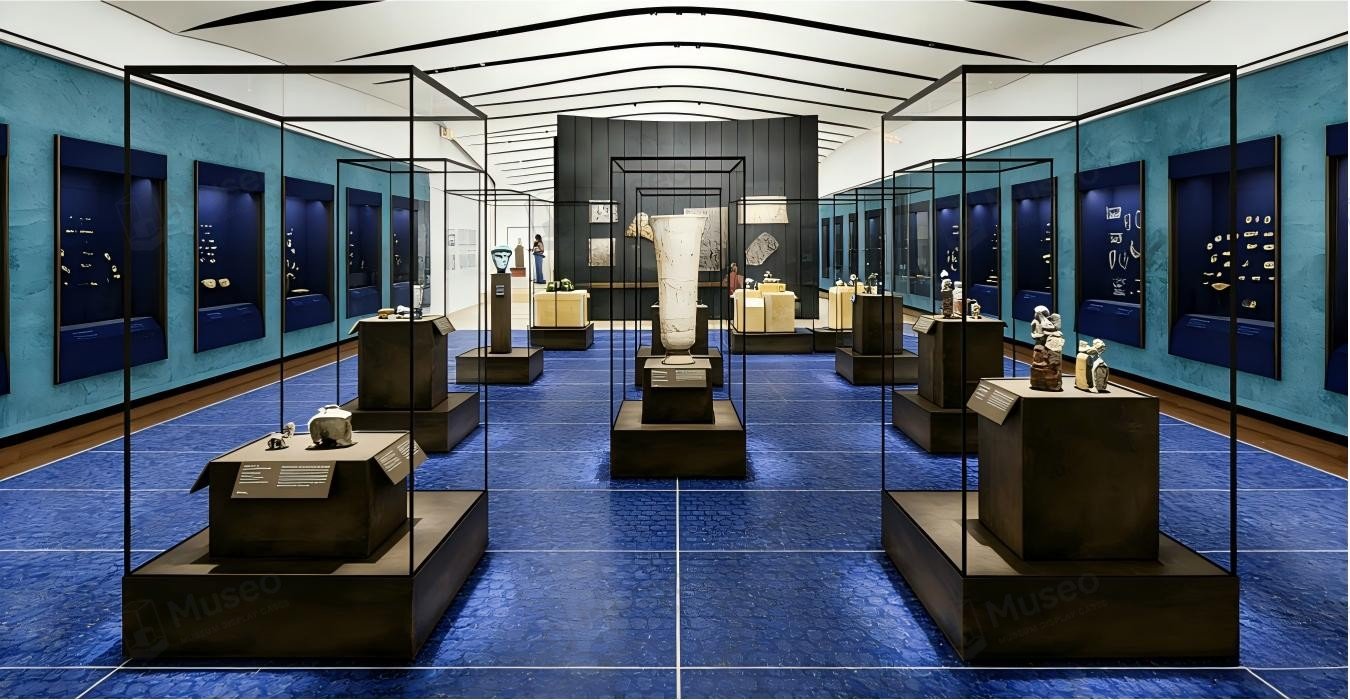
For artworks representing the indigenous civilizations of the Americas, we participated in producing tabletop exhibit display cases. The internal base of these cases can be adapted to accommodate various dimensions of artifacts, meeting the display requirements of diverse types of collections. The fully transparent, ultra-clear glass provides an unobstructed view while preventing physical contact and accidental damage.
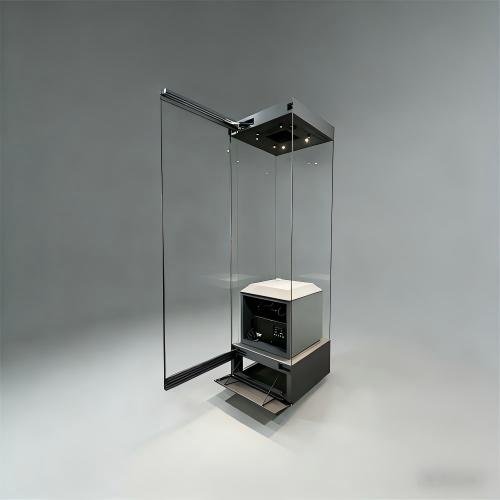
For artworks representing the civilizations of sub-Saharan Africa, we participated in producing pedestal exhibit display cases. The tall, narrow, upright design of these exhibit display cases is specifically intended for displaying elongated artifacts, maximizing the utilization of gallery space. The airtight microclimate control technology enables precise regulation of temperature, humidity, and gaseous composition, effectively blocking dust and harmful gases while delaying the aging of artifacts.
Display Case Types: To accommodate the display needs of various artifacts, we produced over 100 exhibit display cases in 20 different models for the museum. These include tabletop cases, pedestal cases, recessed cases, and others.
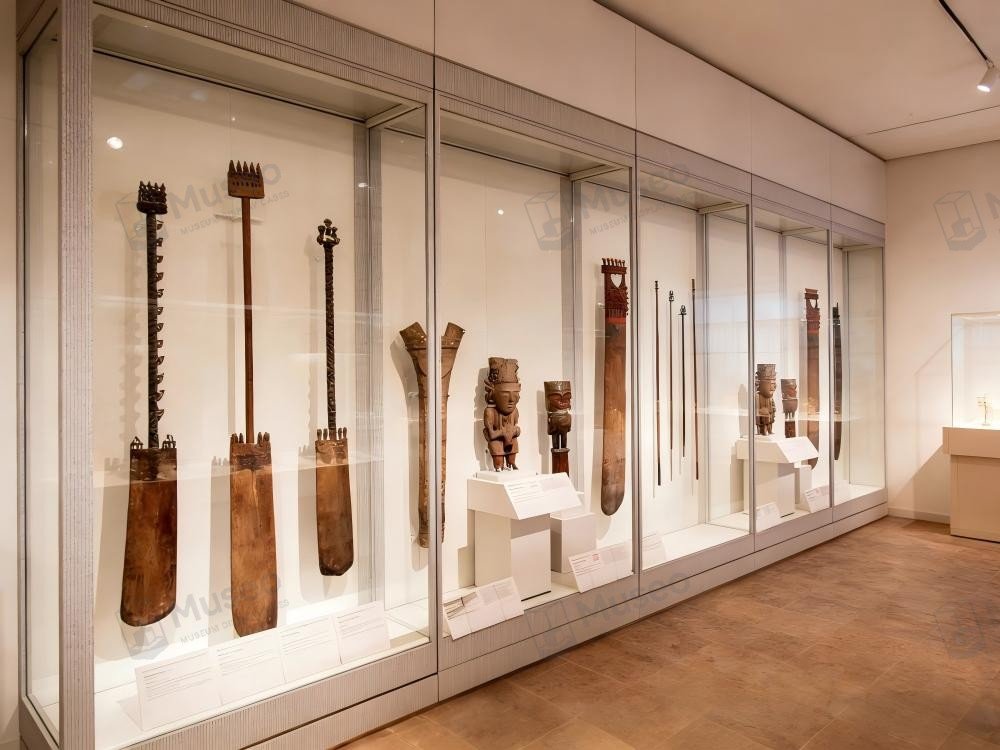
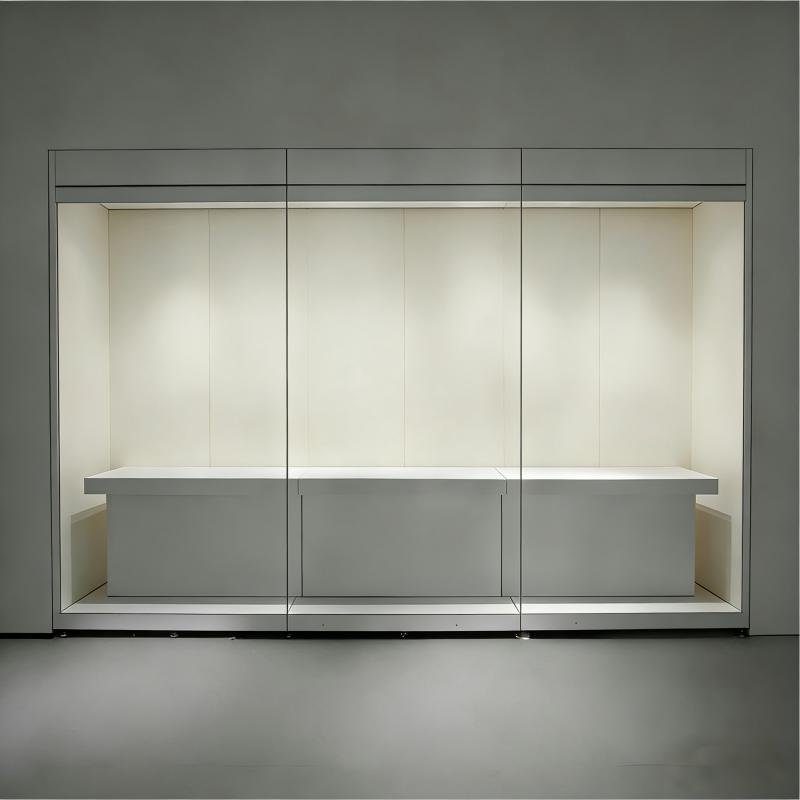
For artworks representing the indigenous civilizations of the ancient Americas, we participated in producing recessed exhibit display cases. The wall-mounted design of these cases maximizes the use of wall space while avoiding occupation of floor pathways, allowing for smoother visitor circulation. The ultra-clear, low-reflective glass provides an unobstructed viewing perspective while preventing physical contact and accidental damage.
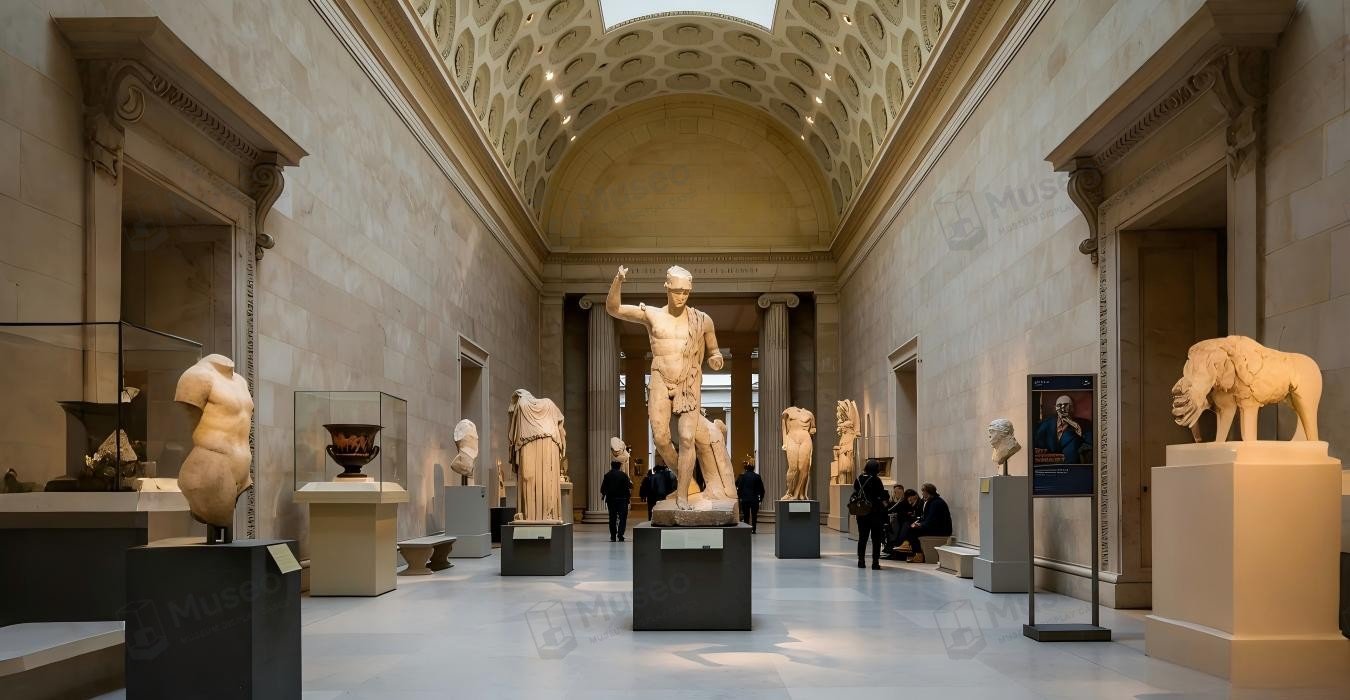
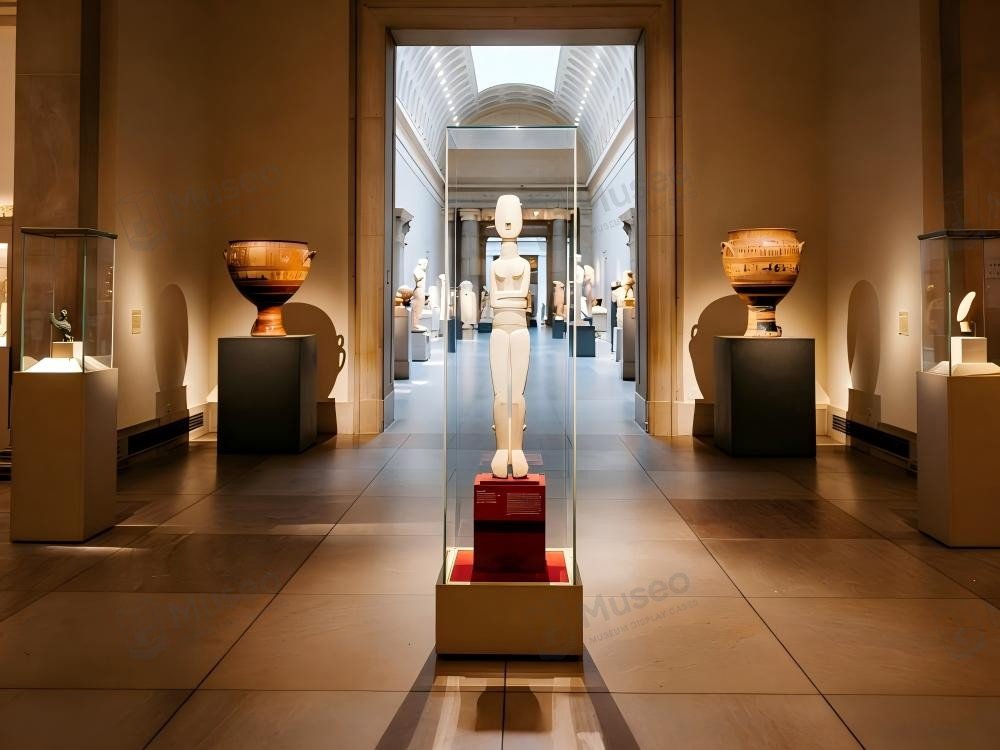
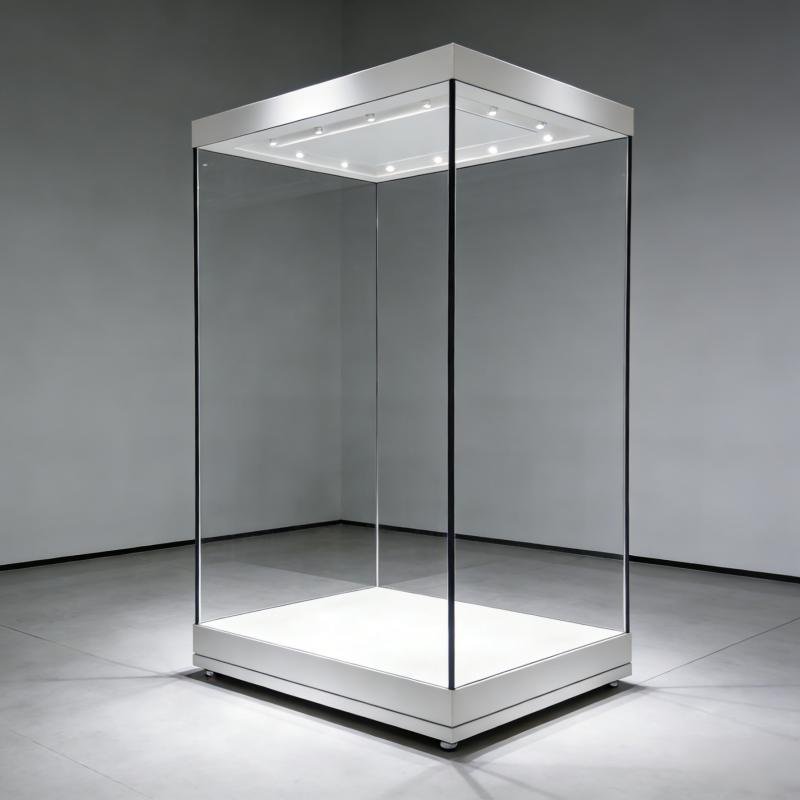
For the marble standing statues, we participated in producing freestanding panoramic talle xhibit display cases. The upright design of these cases positions this iconic sculpture as the visual centerpiece of the gallery, creating a powerful sense of ritual and orientation, allowing visitors to immerse themselves in the pure aesthetic beauty of early Greek art. The airtight microclimate control technology regulates temperature, humidity, and gaseous composition, effectively blocking dust and harmful gases while delaying the aging of fragile materials such as marble.
1. ¿Cómo trabajamos con usted? (Proceso de pedido)
Enviar una consulta → Discutir requisitos → Proporcionar cotización → Pagar depósito → Diseño conceptual → Trabajo de dibujo → Producción → Inspección de calidad → Embalaje → Pagar saldo → Envío.
2. ¿Puede hacernos un presupuesto basado en nuestros dibujos?
Sí, podemos ofrecerle servicios de fabricación a medida y presupuestos según sus necesidades.
3. ¿Es usted una fábrica y dónde está ubicada?
Sí, somos una entidad de fábrica especializada en la fabricación de accesorios de exhibición de museo durante años. ¡Nuestra fábrica está en la ciudad de Guangzhou, provincia de Guangdong-usted es agradable visitarnos para la inspección!
4. ¿Podemos hacer una muestra para inspeccionar la calidad antes de hacer un pedido?
Se aceptan pedidos de muestras, pero los gastos de envío correrán a cargo del cliente.
5. ¿Cuál es el plazo de producción tras realizar un pedido?
Tras la confirmación del pedido, la producción suele completarse en 35 días laborables, aunque el plazo exacto depende de la cantidad del pedido.
6. ¿Cuáles son las condiciones de pago más seguras y el coeficiente de depósito?
Apoyamos métodos de pago seguros: T/T (transferencia telegráfica) y Alibaba International Station Trade Assurance. Se requiere un depósito de 50%, y el saldo debe ser pagado antes del envío.
7. ¿Podemos organizar una inspección de calidad antes del envío?
Por supuesto. Su personal de control de calidad o agencias externas son bienvenidos para la inspección in situ. Tenemos nuestro propio sistema de inspección de calidad antes del envasado para garantizar la calidad del producto; si no está disponible para los controles in situ, podemos proporcionar informes de inspección según sea necesario.
PONERSE EN CONTACTO
PONERSE EN CONTACTO
Póngase en contacto con nosotros, obtenga la hoja de presupuesto y conozca más noticias e información
Nuestras vitrinas de museo personalizadas de alta calidad, centradas en la protección de reliquias, la exposición profesional y la adaptación de colecciones y espacios, ofrecen soportes seguros y duraderos para que el patrimonio cultural transmita claramente su valor histórico.
Entrega rápida
Nuestras vitrinas de museo personalizadas, optimizadas con módulos centrales prefabricados, diseño rápido y producción/instalación racionalizada, se entregan en 1 mes, manteniendo los estándares de protección de reliquias y exposición de grado museístico para necesidades urgentes.
Servicio posventa
Nuestro servicio posventa de vitrinas de museo crea un sistema que cubre las garantías rutinarias y ofrece un servicio posventa a cargo de equipos profesionales en un plazo de 7 a 24 horas tras la entrega.