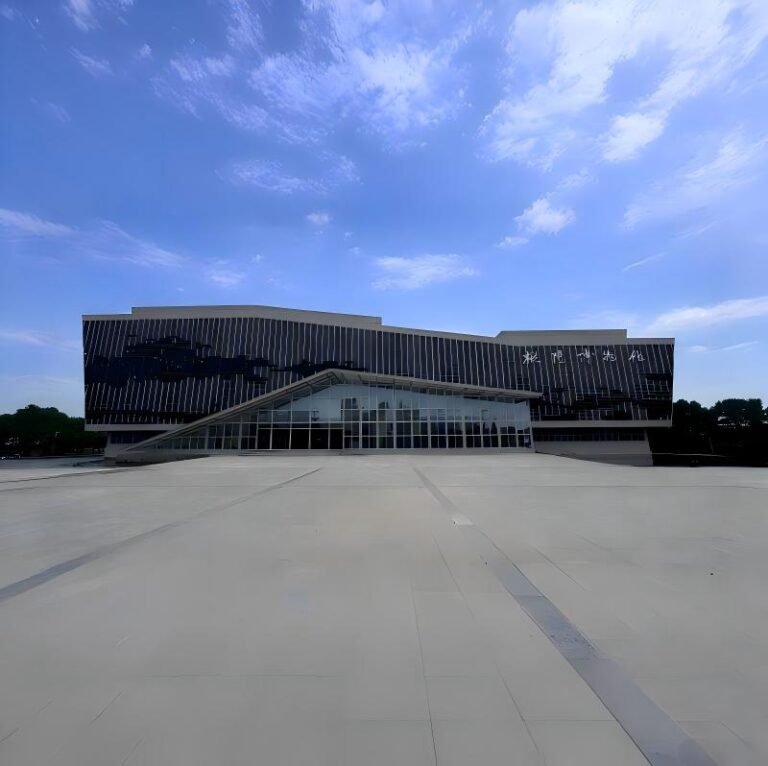
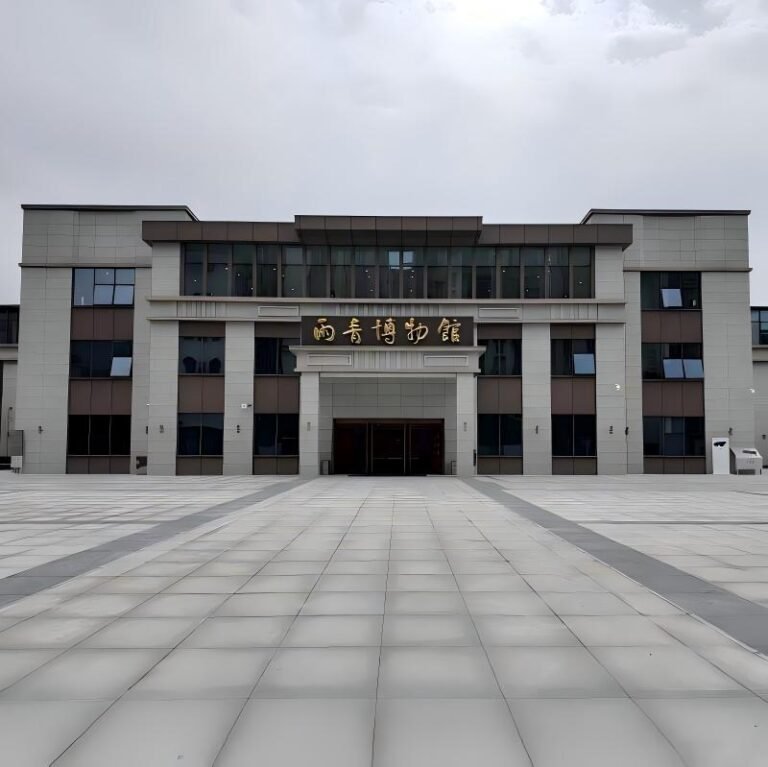
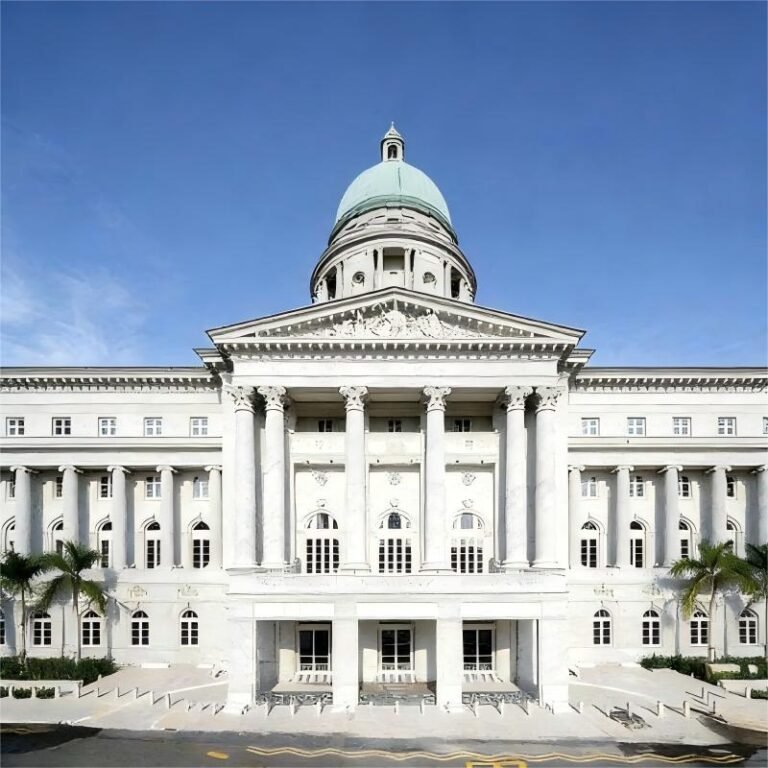
Guangzhou Museum of Art
GuangZhou City, China 2023.7
The Guangzhou Museum of Art is built around the core curatorial theme “Millennium Treasures, Splendor of Lingnan,” with a mission to preserve traditional Chinese culture and celebrate the unique identity of the Lingnan region. Leveraging its distinguished collection — particularly its holdings of Lingnan-school calligraphy and painting through the ages — the museum presents its exhibitions across four key dimensions: “Carrying Forward Classics,” “Rediscovering Lingnan,” “Harmony and Coexistence,” and “Digital Empowerment.” Together, these frameworks trace the full artistic continuum from ancient scrolls to contemporary Guangdong art.
Following the completion of its new building in 2023, the Guangzhou Museum of Art established the curatorial theme “Millennium Treasures, Splendor of Lingnan,” achieving record highs in both the number of exhibitions and visitor satisfaction. In a rapidly changing era, faced with ever-increasing audience expectations for aesthetic experience and visitor engagement, the museum recognized the need to go beyond the fundamental functions of “display and preservation” to pursue “atmospheric immersion” and functional innovation within its exhibition spaces. The existing display cases, when housing classic collections, no longer met the safety and aesthetic requirements of the museum’s new positioning in terms of material quality, craftsmanship, and presentation formats — necessitating a comprehensive custom renovation to elevate the quality of its exhibitions. This was the core reason the museum entrusted our team with the project.
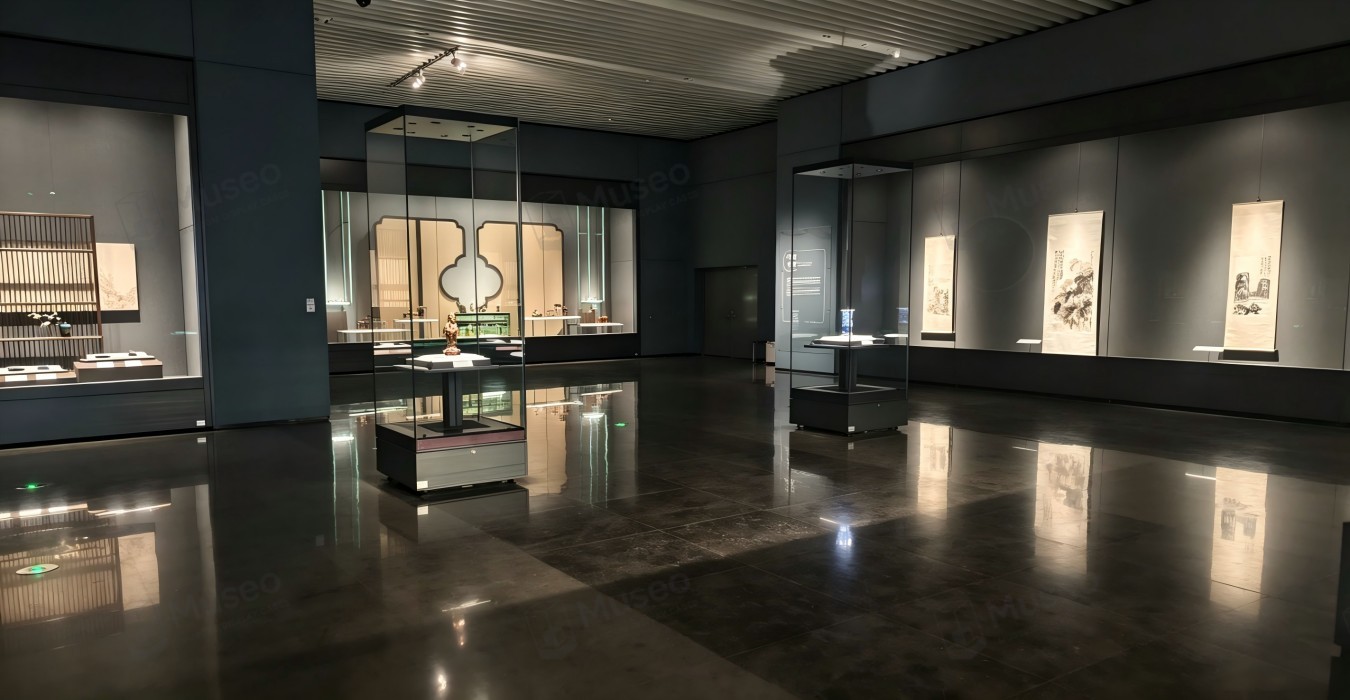
Following the completion of the custom display case renovation project tailored by our team, the Guangzhou Museum of Art has developed a clear blueprint for its future exhibition development. Leveraging its renewed display infrastructure, the museum plans to transcend the traditional limitation of display cases as mere “showcases without interpretation.” Furthermore, it intends to deeply integrate collection research, digital multimedia, and the new display case spaces, transforming the cases into “narrative vehicles” that bridge history and contemporary contexts. Through these efforts, the museum aims to build an immersive, participatory, and highly perceptive modern art museum experience system — truly achieving the leap from “world-class hardware” to “world-class experience.”
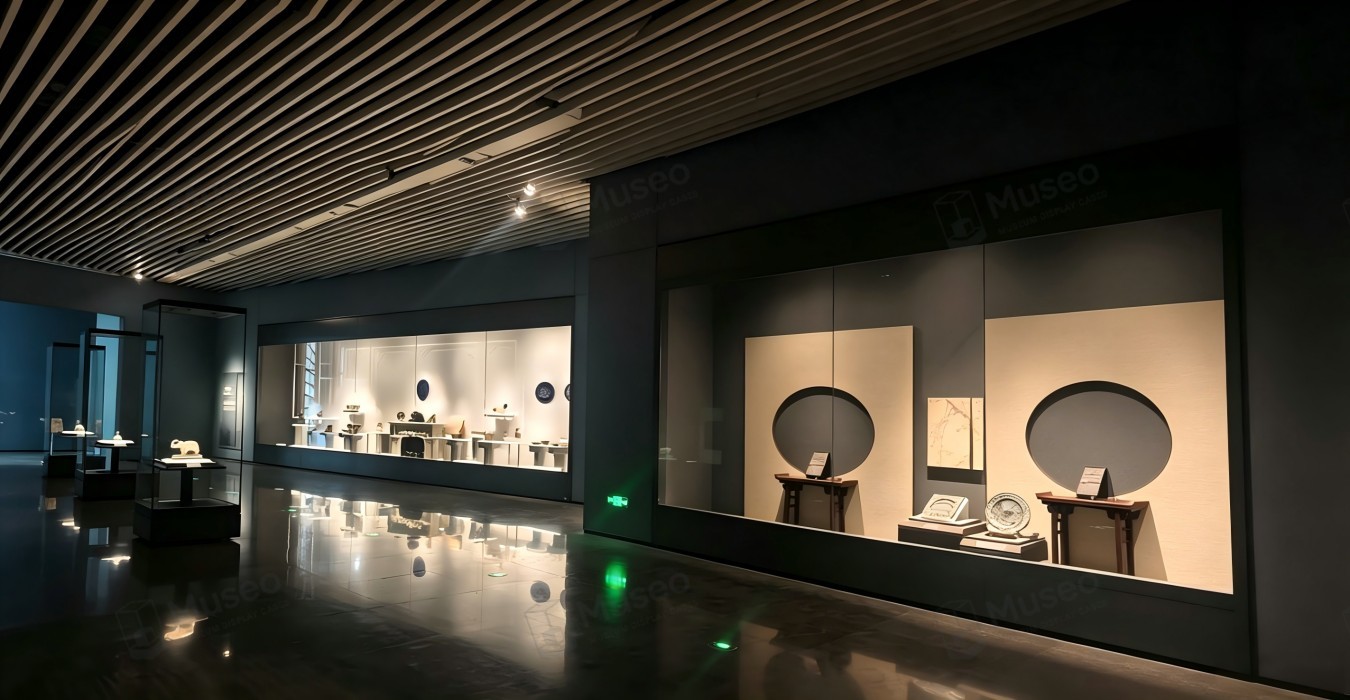
The new building of the Guangzhou Museum of Art (Guangzhou Art Museum) has a total floor area of nearly 80,000 square meters, covering approximately 32,600 square meters of land. The museum features 5 above-ground floors and 2 underground floors, totaling 7 levels, with 21 exhibition halls and an exhibition area of 19,000 square meters. It houses a comprehensive collection of artworks, with a particular emphasis on Lingnan-school calligraphy and painting from successive dynasties. The museum’s collection includes over 33,000 pieces (sets), among which more than 4,500 are classified as precious cultural relics.
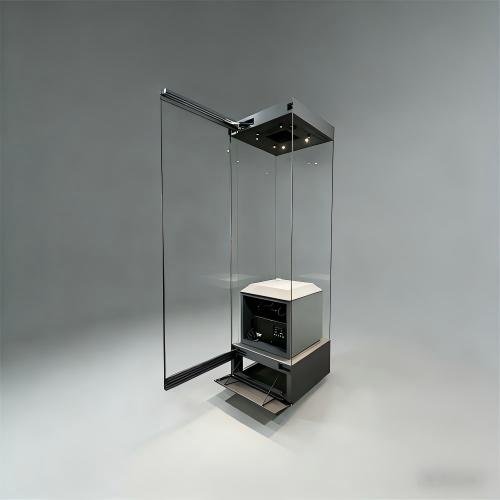
For stringed instrument artifacts, we adopted freestanding island display cases. Featuring fully transparent glass on all four sides and equipped with a central rotating turntable, these cases are positioned at the center of the exhibition hall as visual centerpieces, allowing visitors to appreciate every intricate detail of the artifacts from all angles.
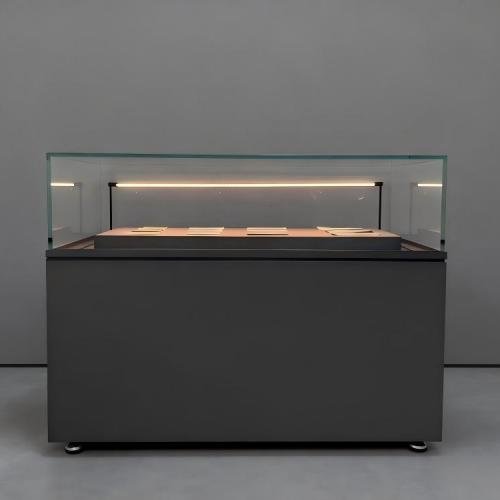
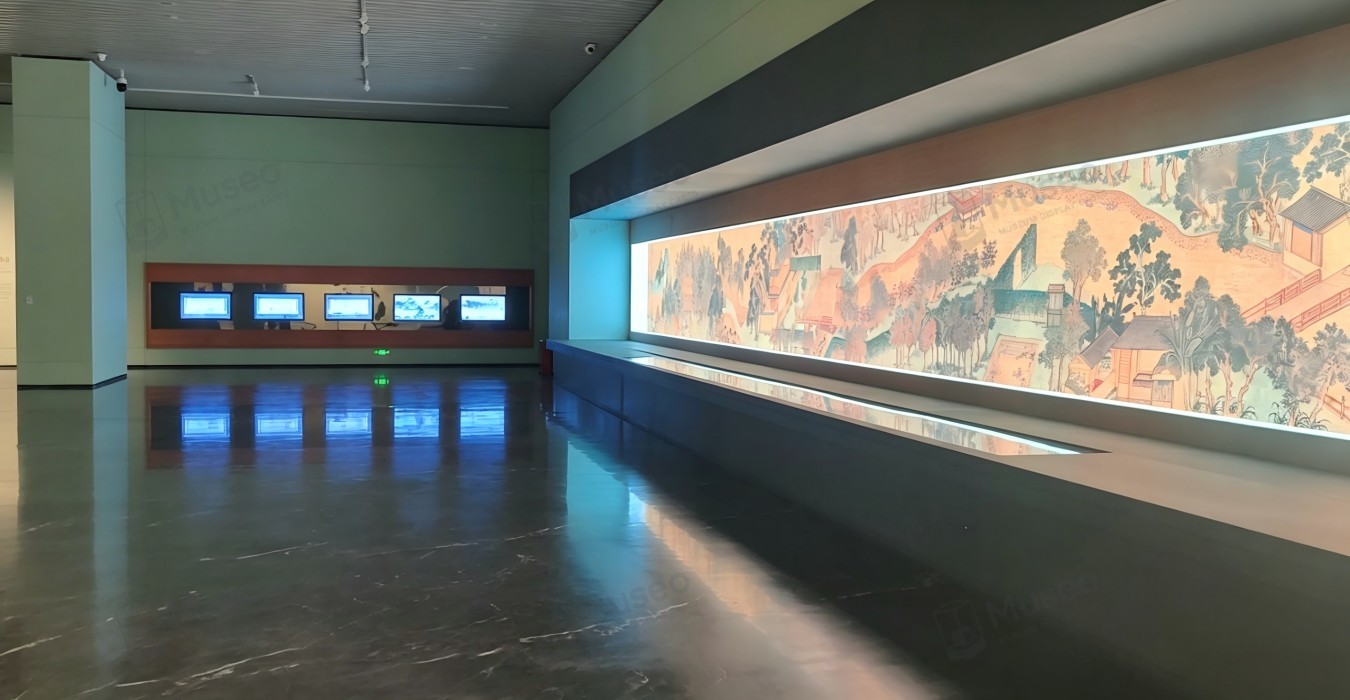
For flat paper-based artifacts, we utilized modular horizontal display cases. With their low-profile design, these cases allow visitors to look down from a standing position for an optimal view of the delicate details. Corner-joined horizontal cases are placed at the center of the gallery to display multiple sets of ancient books in a concentrated arrangement, creating a strong visual focal point.
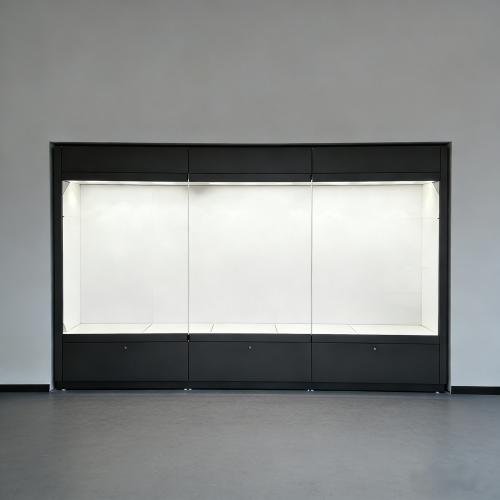
To accommodate the diverse display requirements of various cultural relics, we manufactured 13 different models of display cases, totaling over 70 units, including freestanding island cases, wall-to-wall gallery cases, and modular horizontal display cases — comprehensively addressing the varied presentation needs ranging from three-dimensional stringed instruments to flat paper-based artifacts.
After the project was successfully delivered, the curatorial and management team of the Guangzhou Museum of Art gave us the following feedback:
“We are extremely satisfied with this collaboration. The newly custom-made display cases visually complement the character of our new museum’s theme — ‘Millennium Treasures, Splendor of Lingnan’ — and the craftsmanship details meet the standards of world-class art museums. In particular, the moisture-resistant and insect-proof baked-enamel finish, along with the sealing optimizations tailored to Guangzhou’s climate, have significantly boosted our confidence in the preservation of our precious calligraphy, paintings, and lacquerware.Throughout the execution, the team’s professionalism also gave us great peace of mind. The old museum spaces are structurally complex, with demanding requirements for HVAC and humidity control wiring, yet through precise on-site surveying and factory pre-assembly, you managed to complete the installation of all cases and lighting commissioning within an extremely tight closure window — without any delay to our scheduled opening.To be honest, this collaboration was more than just replacing old display cases — it felt like an upgrade to our entire exhibition language. Now, with the technical provisions you’ve built in, we feel much more confident about planning future digital immersive exhibitions and nighttime opening models. We look forward to continuing our partnership in upcoming permanent exhibition renewals and inter-museum exchange projects.”
![]()
Paper artifacts are displayed in low-profile horizontal cases, allowing visitors to look down comfortably and appreciate every fine detail. Anti-reflective glass eliminates glare, presenting the ancient texts exactly as they are.
Bamboo and wooden artifacts are presented in continuous wall-to-wall gallery cases that link multiple pieces from the same series into a complete narrative flow. UV-blocking protective glass safeguards these materials from fading, embrittlement, and surface degradation.
Display Cases for the Project
PERGUNTAS FREQUENTES
1. Como trabalhamos com você? (Processo de pedido)
Enviar uma consulta → Discutir requisitos → Fornecer cotação → Pagar depósito → Projeto conceitual → Trabalho de desenho → Produção → Inspeção de qualidade → Embalagem → Pagar saldo → Envio.
2. Vocês podem fornecer uma cotação com base em nossos desenhos?
Sim, podemos fornecer serviços de fabricação personalizada e cotações de acordo com suas necessidades.
3. Você é uma fábrica e onde está localizada sua fábrica?
Sim, somos uma fábrica especializada na fabricação de adereços para exibição em museus há anos. Nossa fábrica está localizada na cidade de Guangzhou, na província de Guangdong. Visite-nos para uma inspeção!
4. Podemos fazer uma amostra para inspeção de qualidade antes de fazer um pedido?
Pedidos de amostra são aceitáveis, com taxa de amostra e custos de envio a cargo do cliente
5. Qual é o prazo de produção após a colocação de um pedido?
Após a confirmação do pedido, a produção geralmente é concluída em 35 dias úteis, sendo que o cronograma exato está sujeito à quantidade do pedido.
6. Quais são os termos de pagamento mais seguros e o índice de depósito?
Oferecemos suporte a métodos de pagamento seguros: T/T (transferência telegráfica) e Alibaba International Station Trade Assurance. É necessário um depósito de 50%, e o saldo deve ser pago antes do envio.
7. Podemos providenciar a inspeção de qualidade antes do envio?
Com certeza! Sua equipe de QC ou agências terceirizadas são bem-vindas para inspeção no local. Temos nosso próprio sistema de inspeção de qualidade antes da embalagem para garantir a qualidade do produto; se você não estiver disponível para verificações no local, podemos fornecer relatórios de inspeção conforme necessário.
ENTRE EM CONTATO
Entre em contato conosco, obtenha a folha de cotação e saiba mais sobre notícias e informações