


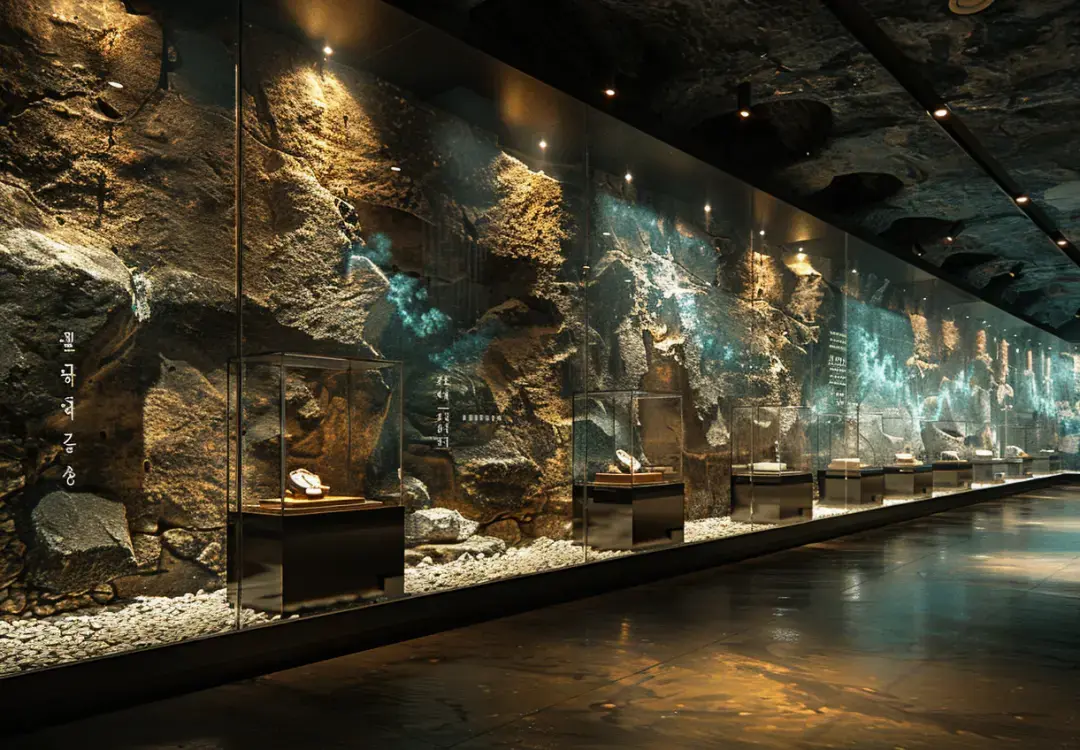
A 17th-century silver reliquary walked out of a regional gallery in 2019. The laminated glass never broke. The cold-rolled steel chassis flexed under a 14-inch pry bar, the cam latch surrendered in nine seconds, and the door contact never reported a thing because the intruder knew exactly where the wire ran. That failure was not a software defect. It was a structural tolerance mismatch between a showcase rated for retail jewelry and a threat model built for cultural heritage. Most museum theft and vandalism incidents I have been called in to autopsy trace back to that same gap: the physical envelope and the electronic envelope were specified by two different people who never spoke.
Real museum display case security starts on the production floor, not in the spec sheet. The first line of defense is the glass-and-frame interface, and it has to be engineered as one unit.
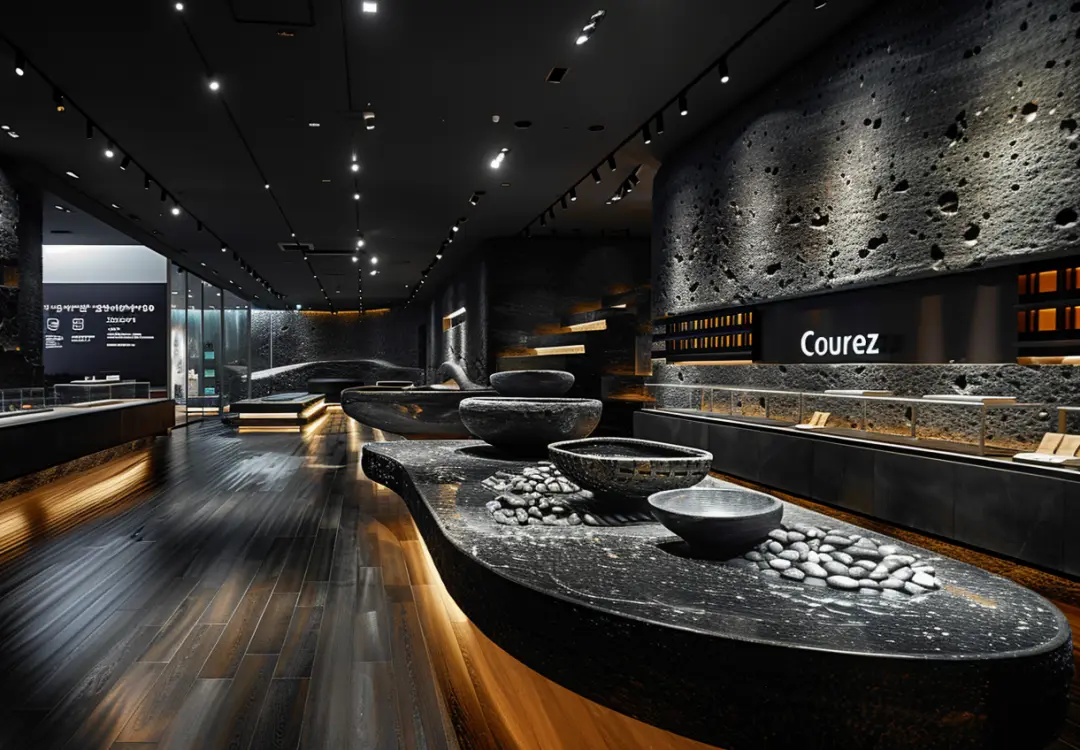
How Do Reinforced Glass and Precision Lock Mechanisms Define Museum Display Case Security?
Standard 6.4 mm laminated glass buys you maybe four seconds against a sledgehammer. High-security museum showcases run EN 356 P6B to P8B certified multi-layer laminated security glass with PVB or SentryGlas interlayers. On the Guangzhou line we gate every tempered and laminated panel through a Cpk >= 1.33 requirement before it leaves the plant – a panel that drifts outside that process capability band gets scrapped, not shipped. That security glass resists repeated axe and sledgehammer strikes without fragmenting or detaching from the perimeter frame, giving security staff a verified time-delay threshold.
But unbreakable glass is worthless if the perimeter chassis flexes. Precision vitrines use a cold-rolled steel internal chassis bonded with structural silicone, and the locking assembly discards tubular cabinet locks for high-security dual-cylinder mechanisms or concealed electromagnetic solenoid latches. For wall-integrated builds we engineer concealed structural anchors directly into wall studs so seam-prying attacks on perimeter joints fail before they start. The Minimalist Recessed Wall-Mounted Tall Cabinet was built on exactly that chassis logic – recessed, zero-clearance, with the steel anchor plane hidden behind the drywall return. This is how modern museum security turns a glass display into a vault-class physical barrier.
At Museo we subject every prototype frame to multi-axis mechanical stress testing and sign off only at zero frame distortion under dynamic load before any locking hardware is mounted. A 50,000-cycle hinge life test is the floor, not the ceiling. These security measures exist to safeguard valuable artifacts, not to decorate a sales floor.
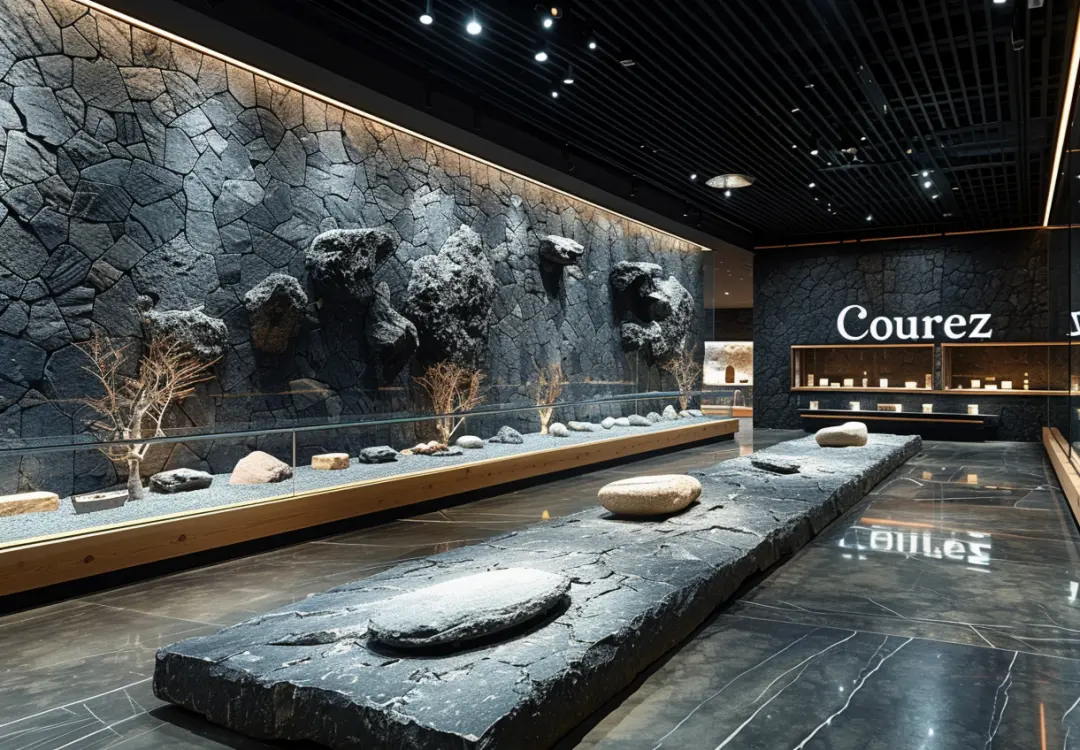
Why Are Vibration Sensors and Glass-Break Detectors the Second Line of Defense in a Museum Security System?
Physical barriers buy time. Sensors buy the alert. Room-level infrared detectors are useless here – an intruder can cross the gallery floor and reach the glass without tripping a space alarm. High-security design puts a localized, multi-tier sensor array inside the structural frame itself, so the museum security system constantly monitors the exhibit volume rather than the room.
Piezoceramic vibration sensors detect drilling and sawing long before fracture. Acoustic glass-break detectors tuned to high-frequency resonance fire a local alarm the instant structural integrity is compromised. Photoelectric infrared curtain sensors project an invisible barrier across the glass surface to catch unauthorized contact during public access hours. We embed smart piezo elements directly into the structural mullions so the alarm system runs continuous without false alarms from HVAC airflow or foot traffic. Dual-technology filtering with adjustable threshold delay is what separates a real security solution from a noise generator that trains security personnel to ignore it.
This is where trained security personnel earn their keep – the sensor telemetry has to reach the central station fast enough to matter, and the wireless alarm system has to stay tamper-evident even when an attacker cuts the conduit.

How Does Integrated Access Control Prevent Internal Theft and Security Breaches?
Internal theft and procedural oversight during re-curation account for a disproportionate share of security breaches within a museum environment. Mechanical keys get duplicated. Radio frequency identification card readers, encrypted biometric scanners, and BLE modules built into the chassis kill that vulnerability. Every event – door opening duration, operator identity, latch position – is logged and pushed over encrypted RS-485 Modbus or Ethernet to the central management system, so unauthorized access is recorded before it becomes museum theft.
When an unauthorized access attempt lands, the access control system triggers a local alarm, activates focused CCTV surveillance, and seals adjacent perimeter doors. The Minimalist Recessed Wall-Mounted Tall Cabinet routes its hidden wire conduits through anti-tamper wall junctions so the cabling is never exposed to sabotage. Factory-fitted solenoid locks carry a 72-hour UPS backup; fail-secure mechanical override cylinders with restricted keyways sit behind that as the second contingency. These access control systems are the difference between preventing theft and explaining it after the fact.
Museo treats access control as part of the same containment envelope as the glass – not a bolt-on module added at the end of the line.
What Microclimate and High-Traffic Deployment Practices Protect Paintings and Valuable Artifacts?
High-traffic galleries force a balance between visitor accessibility, structural safety, and microclimate preservation. RH and temperature and humidity swings do irreversible environmental damage to organic artifacts, oil paintings, and manuscripts. The fix is a climate-controlled vitrine logic: passive or active buffer compartments with silica gel cassettes or RH control pumps, isolated from the main exhibit volume. This structural separation lets facilities staff service environmental systems through a dedicated exterior access panel without opening the primary security enclosure or disarming door contacts – the first line of defense stays intact while you swap desiccant.
For art galleries running surveillance systems alongside LED showcase lighting, we tune CRI and color temperature so the lighting systems support artifact visibility without masking potential threats. On a recent museum or gallery retrofit we tooled a custom brass hinge to hit a 50,000-cycle spec and ran the dust-proof sealing grade to IP5X before sign-off. That is the standard we hold for any high-security build, and it is how we protect paintings and preserve cultural heritage without compromising the security strategy.
The takeaway: museum display case security is not a lock you buy. It is a containment envelope you engineer – glass, frame, sensor, and access control specified as one system, tested on the floor, and proven before it ships. Onsite security only works when the physical barriers, wireless sensors, and access protocols are specified by the same hand.
FAQs
Q1: What EN 356 rating do you recommend for irreplaceable artifacts?
A: P6B to P8B multi-layer laminated security glass. These ratings resist repeated sledgehammer and axe impacts and give security staff a verified time-delay threshold before breach.
Q2: How do you stop false alarms on vibration sensors?
A: Dual-technology piezoceramic sensors with adjustable frequency filtering and signal threshold delay. They distinguish low-frequency ambient vibration (foot traffic, HVAC) from high-frequency localized impacts (drilling, prying).
Q3: Do electronic locks work during a power outage?
A: Yes. Redundant UPS maintains full locking force and monitoring for up to 72 hours. Fail-secure mechanical override cylinders with restricted keyways provide the secondary contingency.
Q4: How are infrared sensors hidden without hurting gallery aesthetics?
A: Active infrared curtain detectors sit inside the aluminum or stainless steel mullions behind IR-transmissive acrylic covers, projecting an invisible curtain across all opening glass surfaces.
Q5: Does microclimate control weaken physical security?
A: No. Buffer drawers use independent lockable compartments serviced via a secondary hatch, so desiccant refresh never breaches the primary high-security exhibit volume.