As the largest university museum in the UK, the Manchester Museum is committed to integrating its heritage with contemporary social issues such as decolonization and community inclusion. The museum centers on the theme of “building a world of cross-cultural understanding and sustainable development.
The Manchester Museum is part of the University of Manchester and has a history of over 130 years. This project aims to break away from the traditional “aloof” image of museums, transforming it into a more inclusive, imaginative, and humanistic public space.
Following the completion of our project, the museum has set out the following plans for the future: first, the museum will no longer engage in one‑way knowledge transmission but will instead emphasise co‑curation. Second, it will place environmental sustainability at its core, using exhibitions to inspire public action on climate change. Third, it will focus on decolonisation and Indigenous perspectives. Finally, it will enhance spatial inclusivity and provide all‑age experiences.
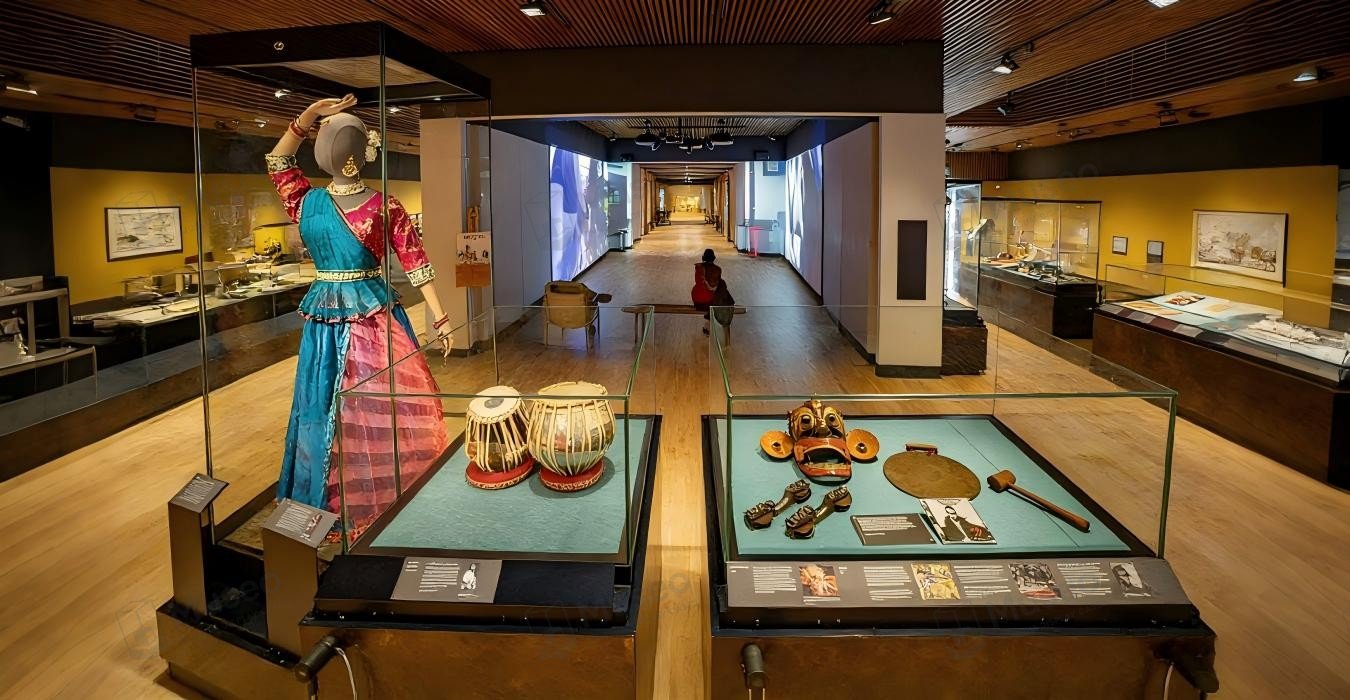
The Manchester Museum has a total exhibition area of approximately 8,640 square meters and spans 4 floors. The ground floor primarily houses the Welcome Hall, the Fossils and Dinosaurs Gallery, and a new large temporary exhibition gallery. The first floor features the South Asia Gallery, the Chinese Culture Gallery, the Egypt and Sudan Gallery, and the Archaeology Gallery, among others. The second floor contains the Africa Centre, research studios, and natural history‑related exhibition areas. The third floor mainly consists of office spaces and educational spaces for specific events. The museum’s total collection amounts to 4.5 million objects, spanning an immense range—from fossils hundreds of millions of years old and insect specimens to cultural artifacts from around the world.
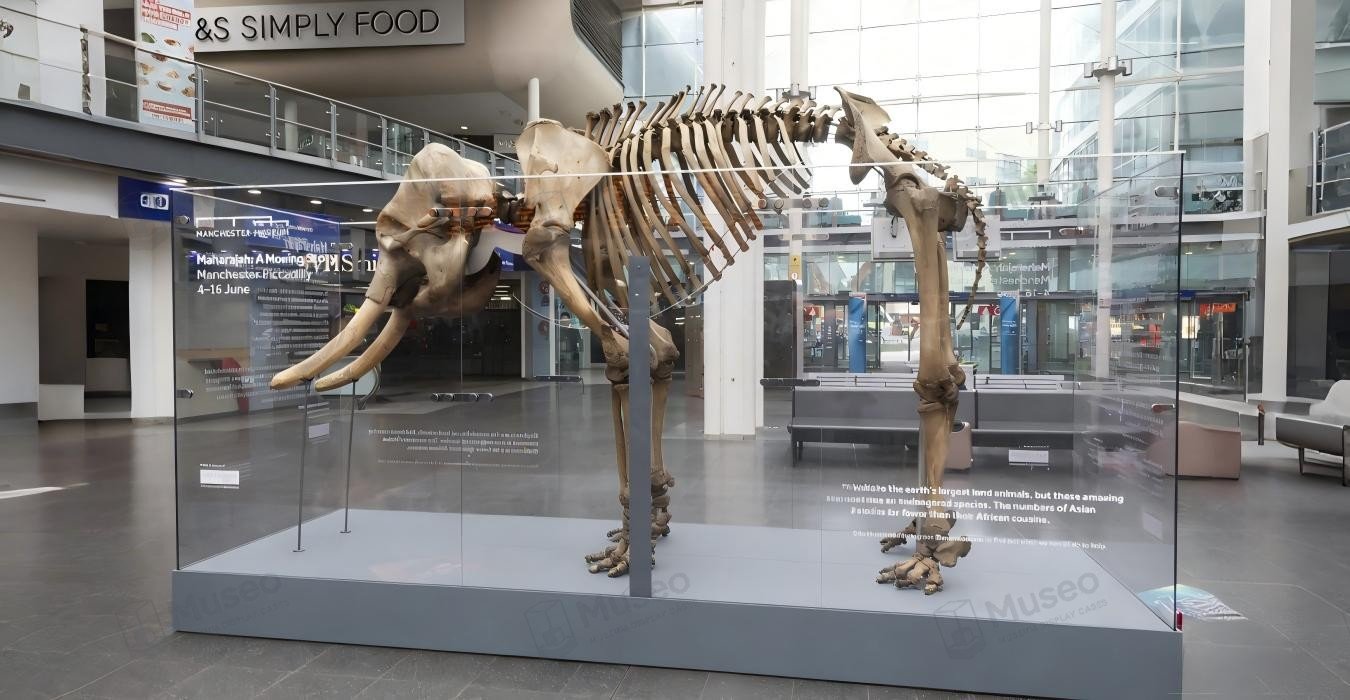
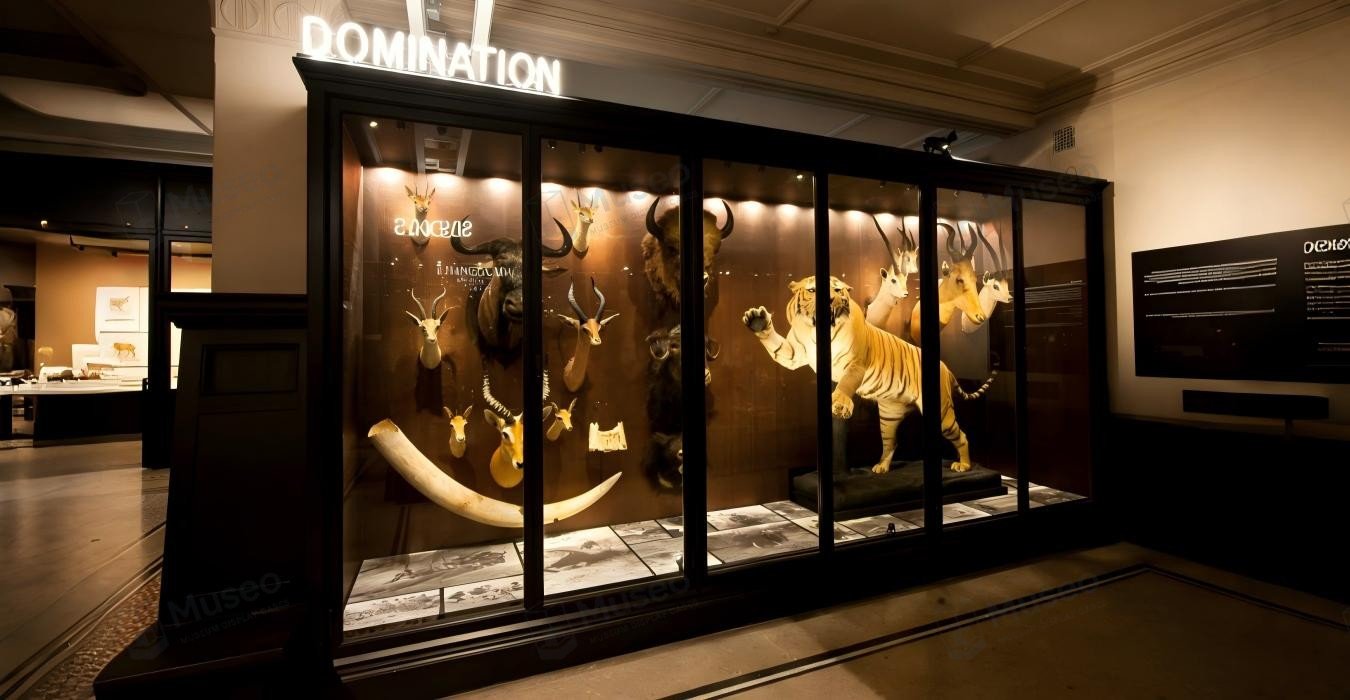
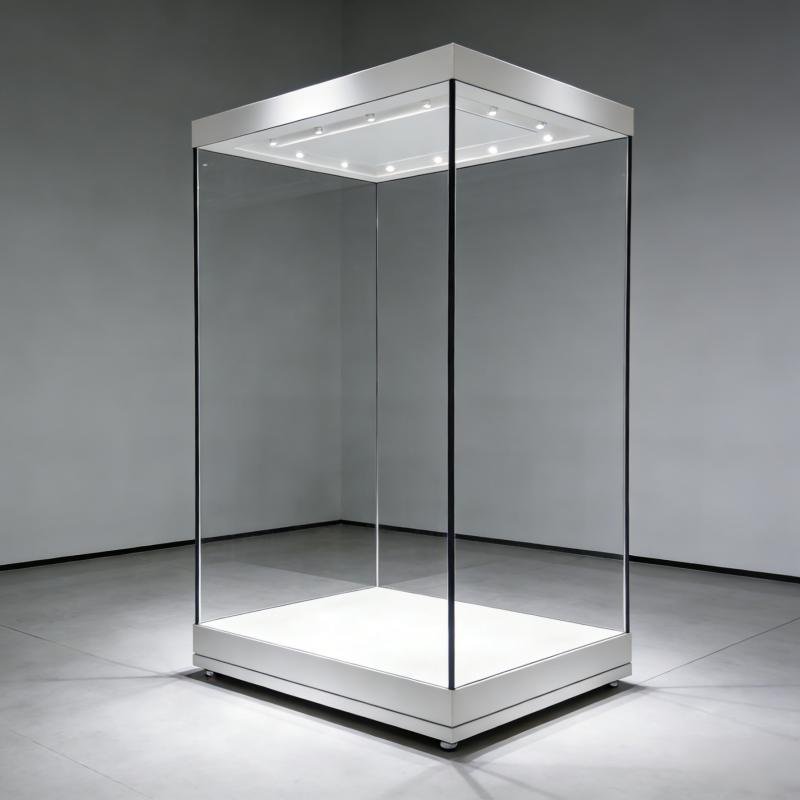
For the elephant skeleton, we have used a frameless panoramic glass museum display cabinet. The fully transparent glass allows for unobstructed 360-degree viewing, enabling visitors to clearly observe the skeletal details; the glass is explosion-proof and UV-resistant, protecting the exhibits from light damage while preventing accidental breakage from causing harm to visitors.
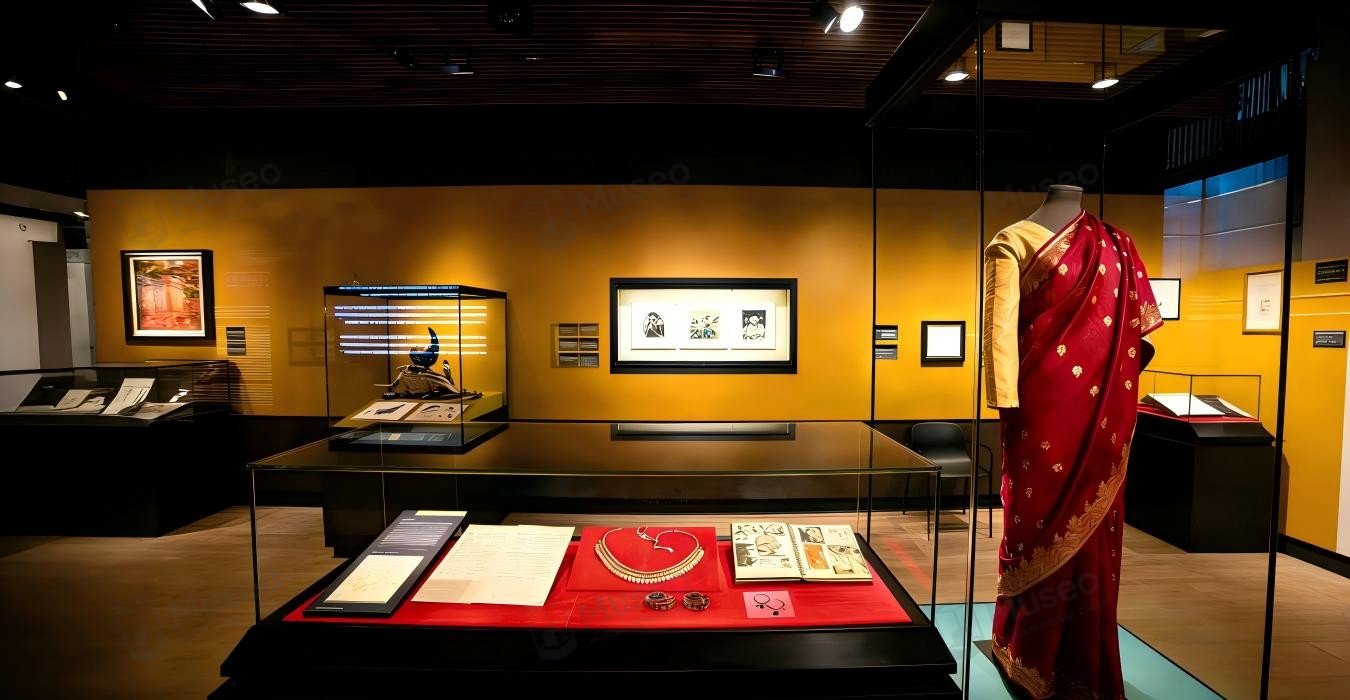
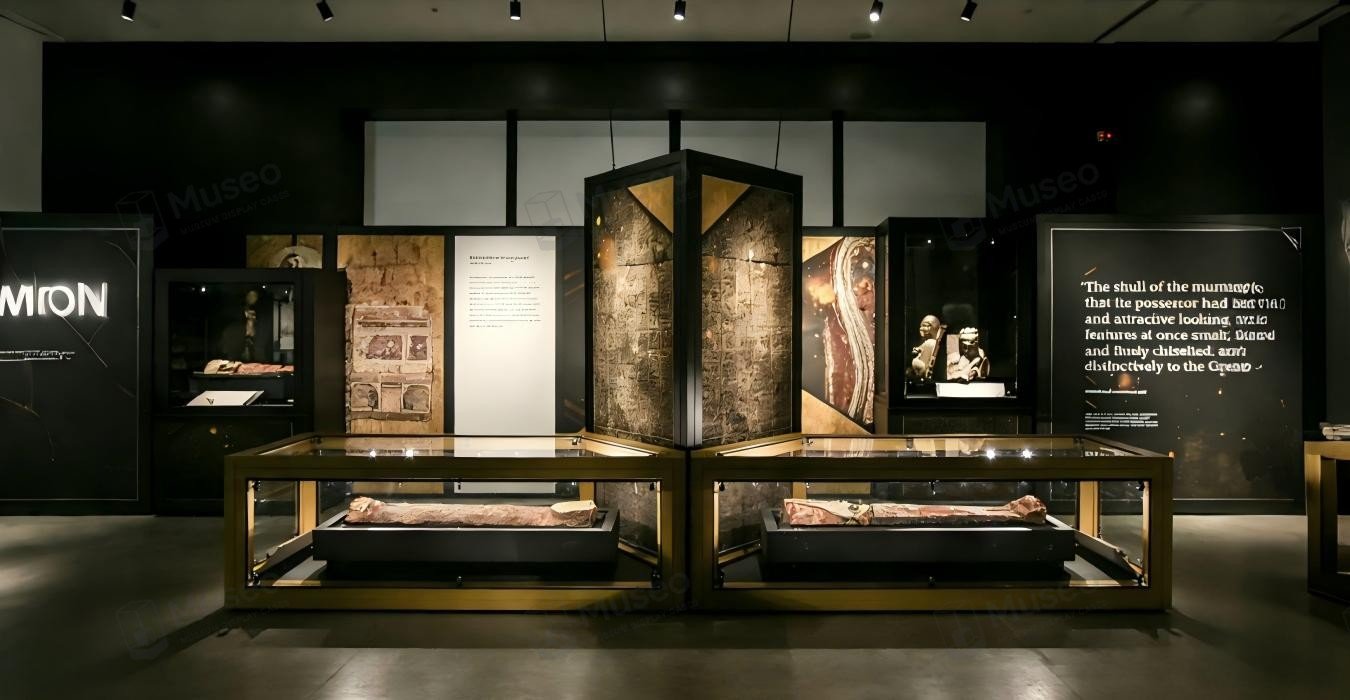
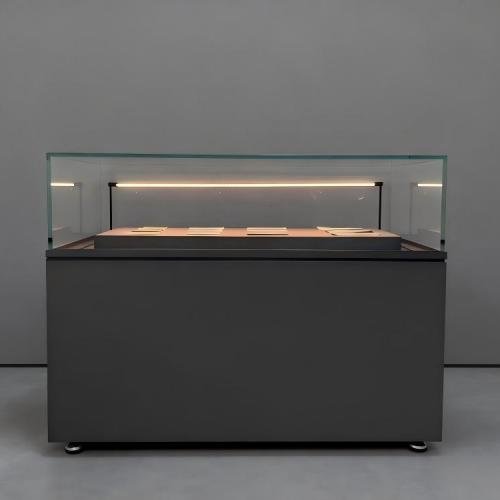
For the jewelry and handwritten notes/manuscripts, we have used tabletop museum display cabinet. With eye-level or overhead viewing, visitors can observe the details of the artifacts from all angles. Low-reflection glass reduces glare and enhances visual clarity.
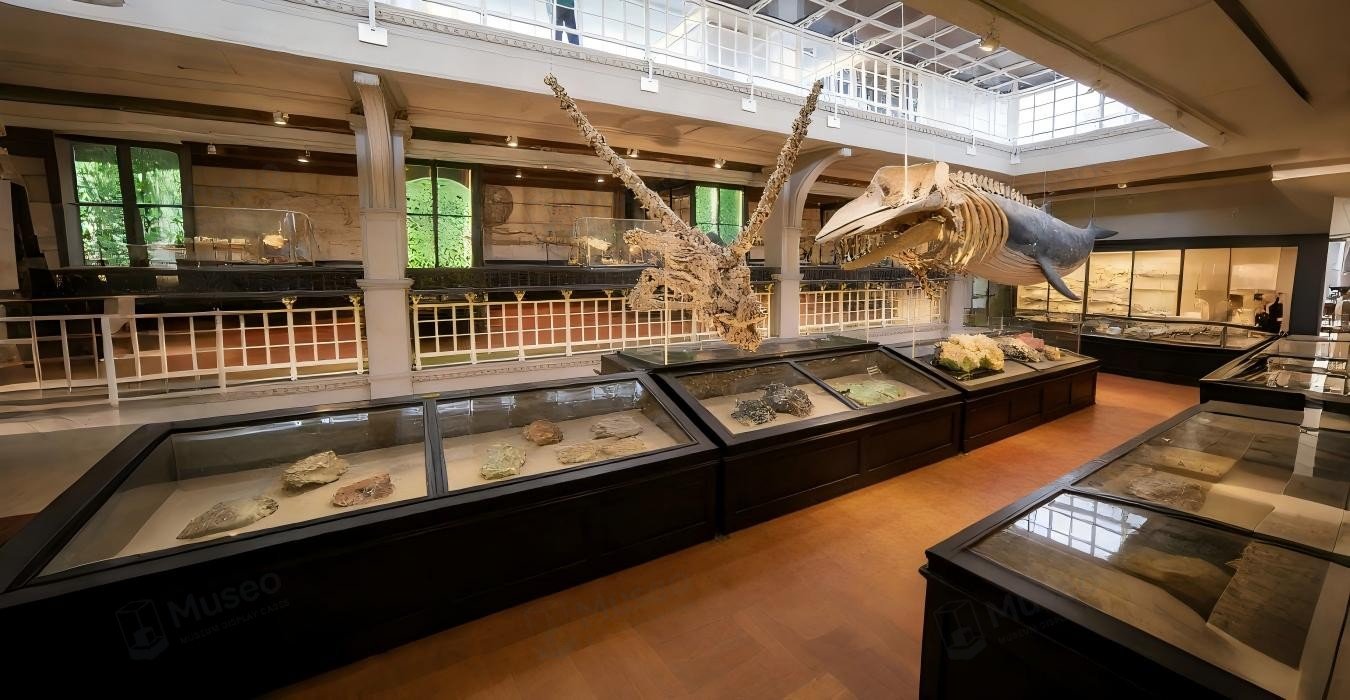
Type of display cases: To accommodate the display needs of different artifacts, we have equipped the museum with over 60 display cases across 10 different types, including frameless panoramic glass museum display cabinet, tabletop museum display cabinet, wall-to-wall museum display cabinet, and freestanding tall museum vitrine display case,ect.
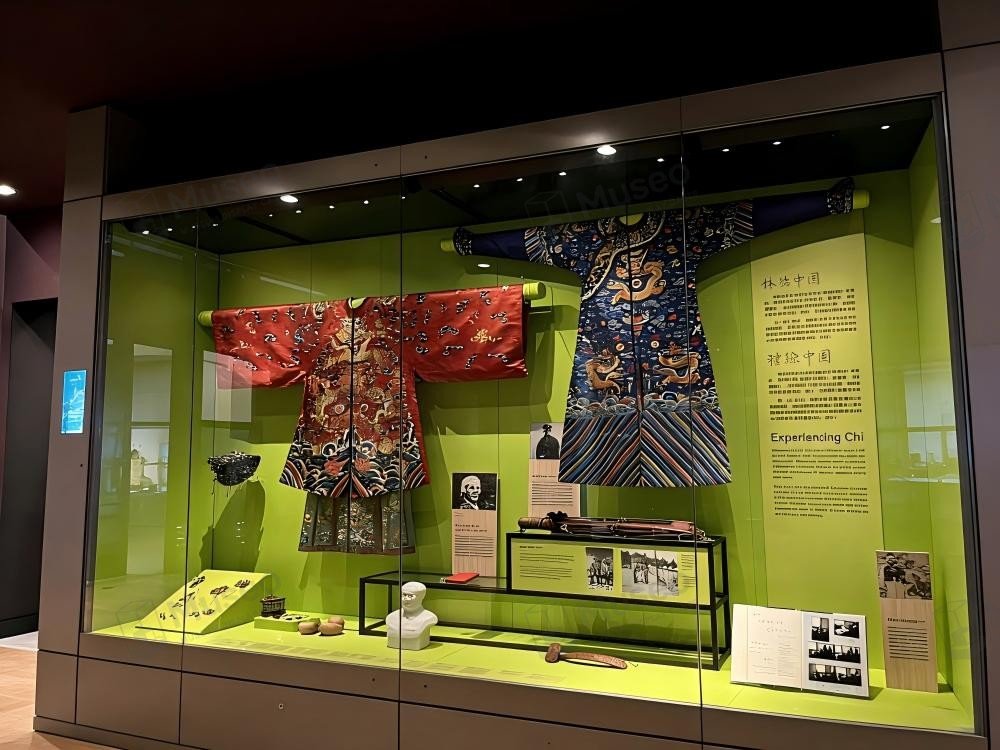
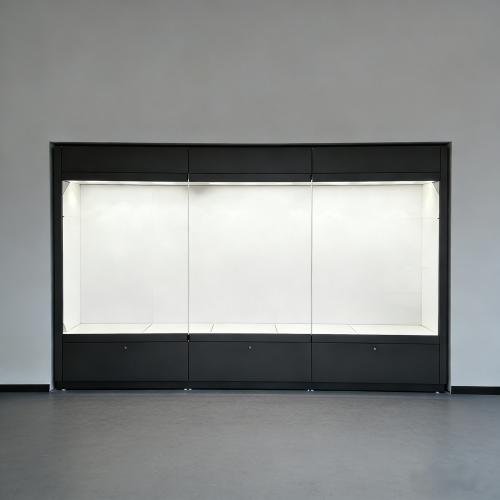
For traditional ethnic costumes, figures, and documents, we have used wall-to-wall museum vitrine display case. The linear, elongated design of these cases is well-suited for displaying multiple artifacts thematically or chronologically, forming a complete narrative chain. The large areas of low-reflection glass provide an expansive view, while the linear lighting at the top delivers precise illumination—highlighting the three-dimensionality of larger items such as costumes while also allowing visitors to examine details up close.
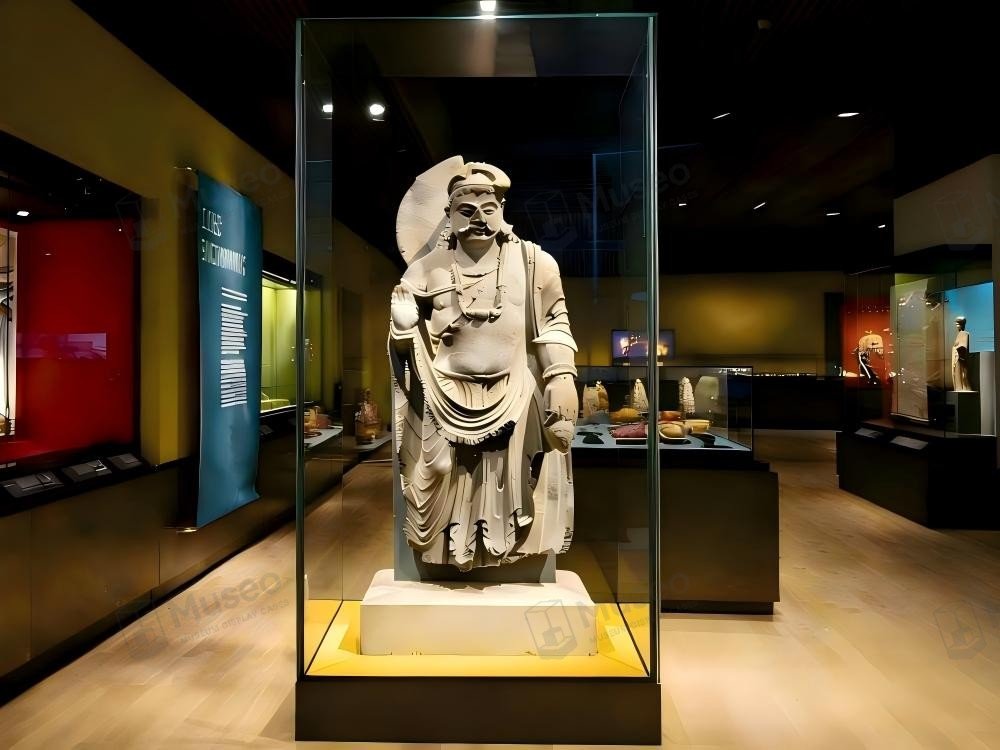
For stone sculptures, we have adopted freestanding tall museum vitrine display case, a core exhibition device specifically designed for large, three-dimensional artifacts. With 360-degree unobstructed glass surfaces, these cases are placed independently in the center of the exhibition hall or at key points along the visitor route, becoming visual focal points that enhance the ceremonial presence and historical gravitas of the objects. The elevated base lifts the artifacts, emphasizing their volume and imposing dignity. Low-reflection glass reduces glare and enhances visual clarity.
1. Como trabalhamos com você? (Processo de pedido)
Enviar uma consulta → Discutir requisitos → Fornecer cotação → Pagar depósito → Projeto conceitual → Trabalho de desenho → Produção → Inspeção de qualidade → Embalagem → Pagar saldo → Envio.
2. Vocês podem fornecer uma cotação com base em nossos desenhos?
Sim, podemos fornecer serviços de fabricação personalizada e cotações de acordo com suas necessidades.
3. Você é uma fábrica e onde está localizada sua fábrica?
Sim, somos uma fábrica especializada na fabricação de adereços para exibição em museus há anos. Nossa fábrica está localizada na cidade de Guangzhou, na província de Guangdong. Visite-nos para uma inspeção!
4. Podemos fazer uma amostra para inspeção de qualidade antes de fazer um pedido?
Pedidos de amostra são aceitáveis, com taxa de amostra e custos de envio a cargo do cliente
5. Qual é o prazo de produção após a colocação de um pedido?
Após a confirmação do pedido, a produção geralmente é concluída em 35 dias úteis, sendo que o cronograma exato está sujeito à quantidade do pedido.
6. Quais são os termos de pagamento mais seguros e o índice de depósito?
Oferecemos suporte a métodos de pagamento seguros: T/T (transferência telegráfica) e Alibaba International Station Trade Assurance. É necessário um depósito de 50%, e o saldo deve ser pago antes do envio.
7. Podemos providenciar a inspeção de qualidade antes do envio?
Com certeza! Sua equipe de QC ou agências terceirizadas são bem-vindas para inspeção no local. Temos nosso próprio sistema de inspeção de qualidade antes da embalagem para garantir a qualidade do produto; se você não estiver disponível para verificações no local, podemos fornecer relatórios de inspeção conforme necessário.
ENTRE EM CONTATO
ENTRE EM CONTATO
Entre em contato conosco, obtenha a folha de cotação e saiba mais sobre notícias e informações
Nossos armários de exibição de museu personalizados e de alta qualidade, focados na proteção de relíquias, na exposição profissional e na adaptação de coleções/espaços, oferecem suportes seguros e duradouros para o patrimônio cultural, a fim de transmitir claramente o valor histórico.
Entrega rápida
Nossos armários de exposição personalizados para museus, otimizados com módulos centrais pré-fabricados, design rápido e produção/instalação simplificada, são entregues em um mês, mantendo os padrões de proteção de relíquias e exposição de nível de museu para necessidades urgentes.
Serviço pós-venda
Nosso serviço pós-venda de vitrines de museu cria um sistema que abrange garantias de rotina e oferece serviço pós-venda por equipes profissionais dentro de 7 a 24 horas após a entrega.