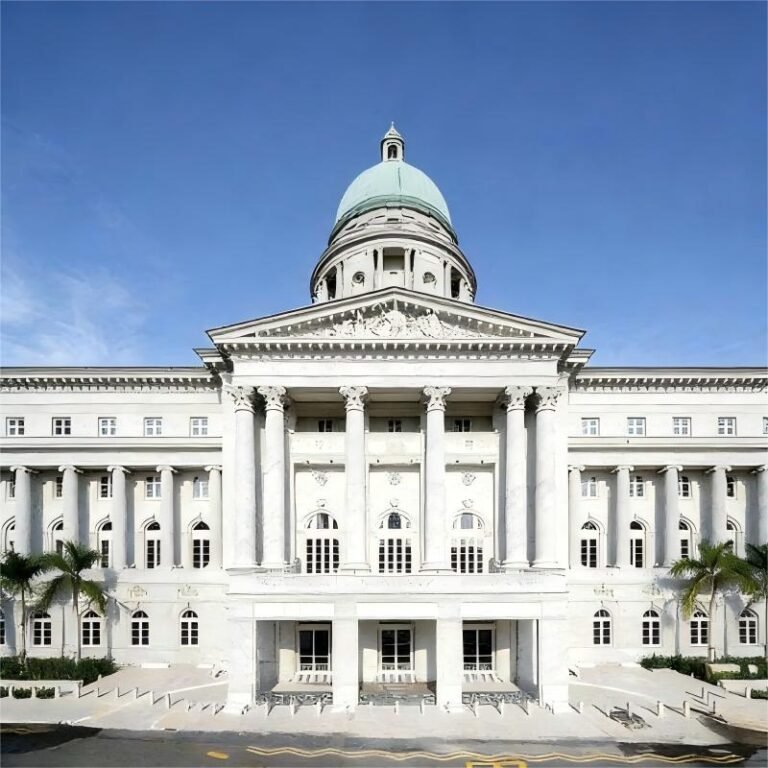
Natural History Museum of Denmark
Copenhagen,Denmark 2025.6
The core exhibition theme of the Natural History Museum of Denmark can be summarized as:”The Symbiotic Evolution of Earth’s Life and Natural History.”
First, From Stardust to Life – presenting the grand narrative from the Big Bang and the formation of Earth to the explosion of biodiversity, emphasizing the evolution of Earth as an integrated system.Second, focusing on the mutual influence between human civilization and the natural environment, exploring a sustainable future in the context of climate change and species extinction.Finally, leveraging over 14 million natural history specimens accumulated across 400 years, showcasing the scientific spirit of “research” and “exploration” through modern technology.

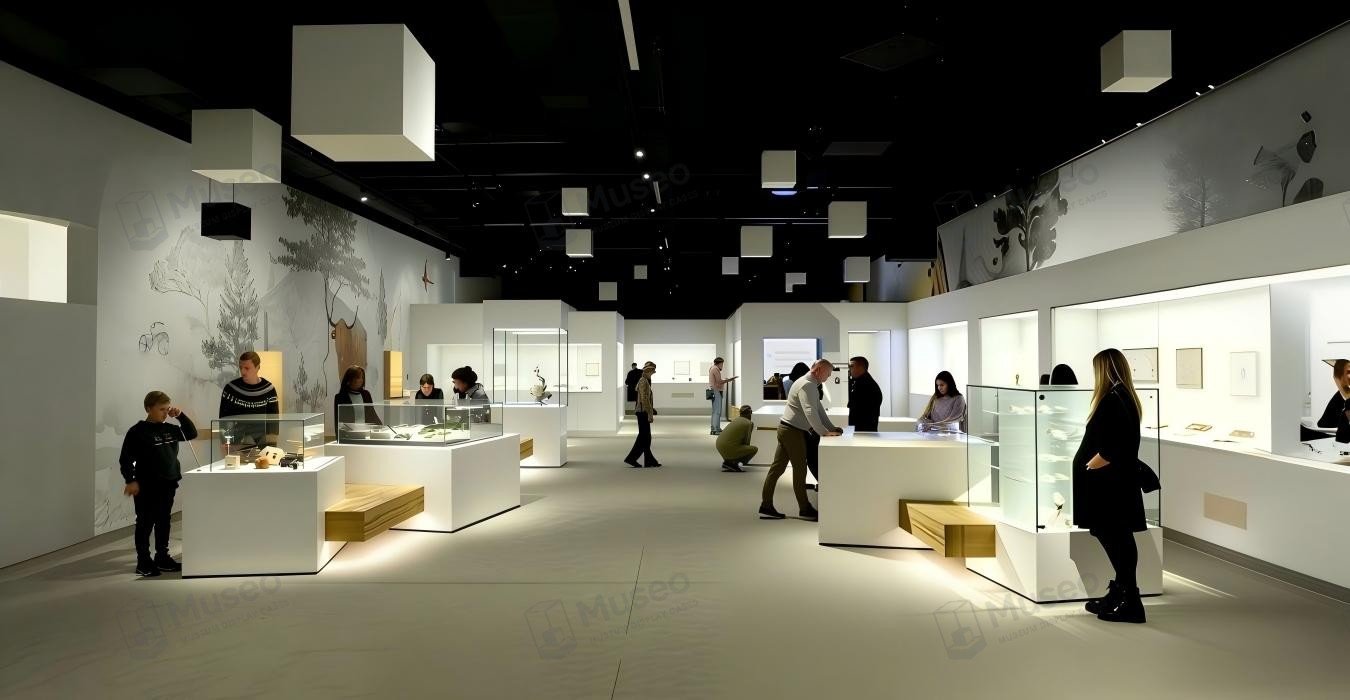
The Natural History Museum of Denmark is undergoing the most significant transformation in its 400-year history. To consolidate its scattered rare collections of zoology, geology, and botany, the museum has launched a costly new building project. As the museum houses a large number of environmentally sensitive organic specimens as well as oversized paleontological fossils, the existing display equipment could no longer meet modern museum requirements for preservation and exhibition. Therefore, our company was invited to participate in the custom redesign of its display case system.
After we completed the project, the Natural History Museum of Denmark has the following plans for the future: First, integrated display – for the first time, presenting the complete evolutionary chain of Earth’s geology, plants, and animals under one roof. Second, equal emphasis on research and public education – the museum style display case design not only serves visitors but also provides convenient maintenance and research access, allowing scientists to observe specimens at any time. Finally, achieving sustainability goals – using low‑energy lighting and air control modules.
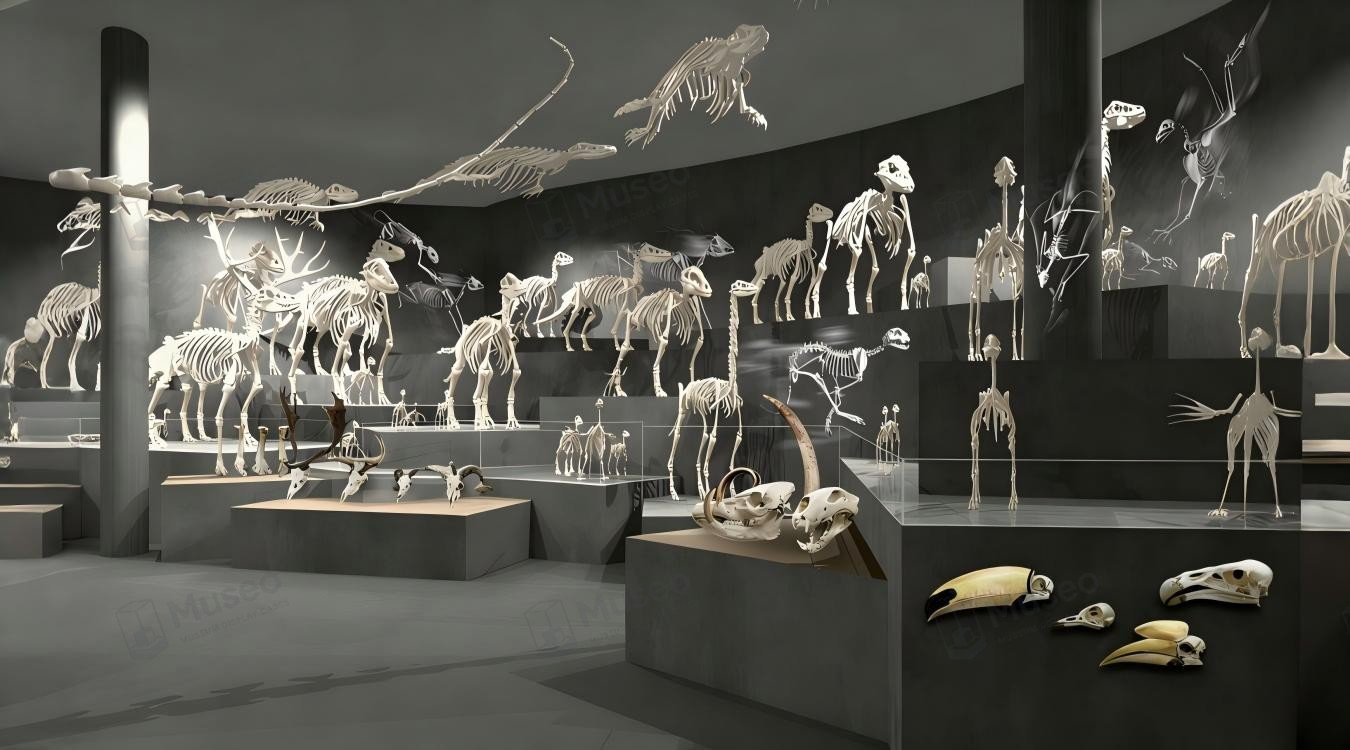
The Natural History Museum of Denmark has a total building area of 30,000 square meters, comprising historic above‑ground structures and multi‑level underground dark‑environment exhibition halls (the underground spaces being inspired by geological formations). The museum holds over 14 million precious specimens, including skins, bones, insects, fossils, minerals, meteorites, and more.

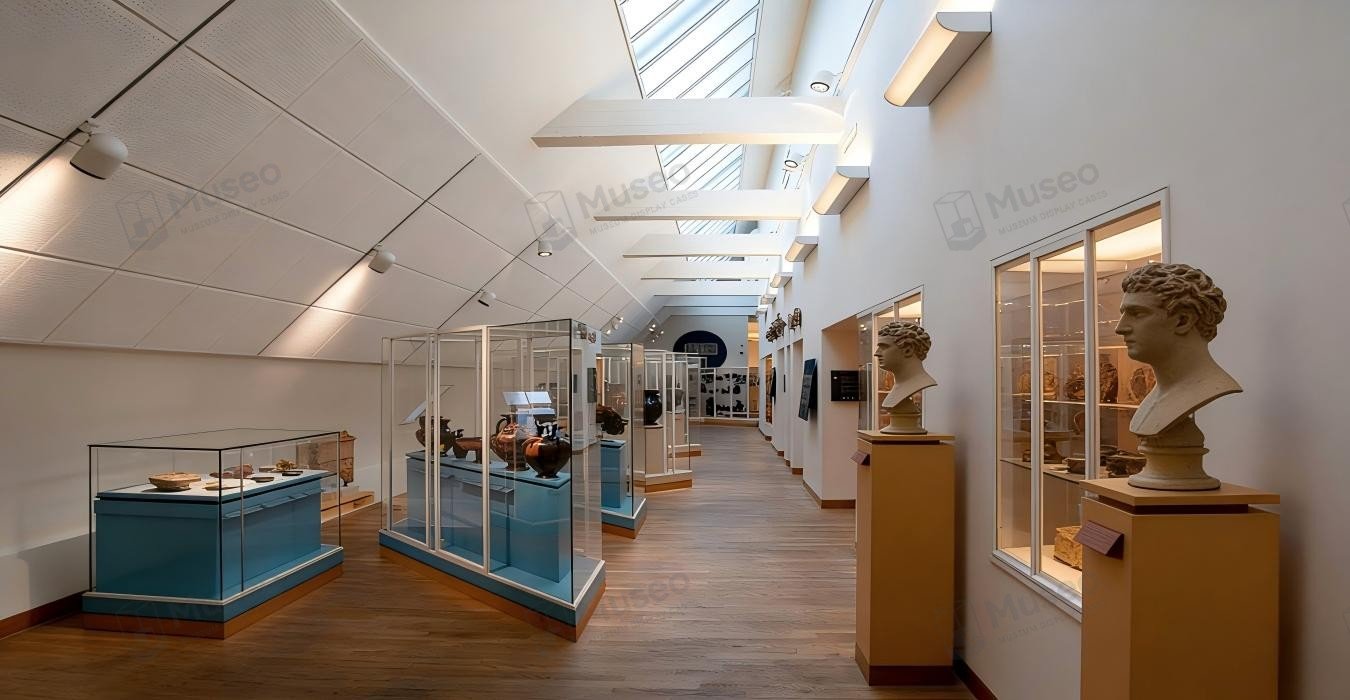
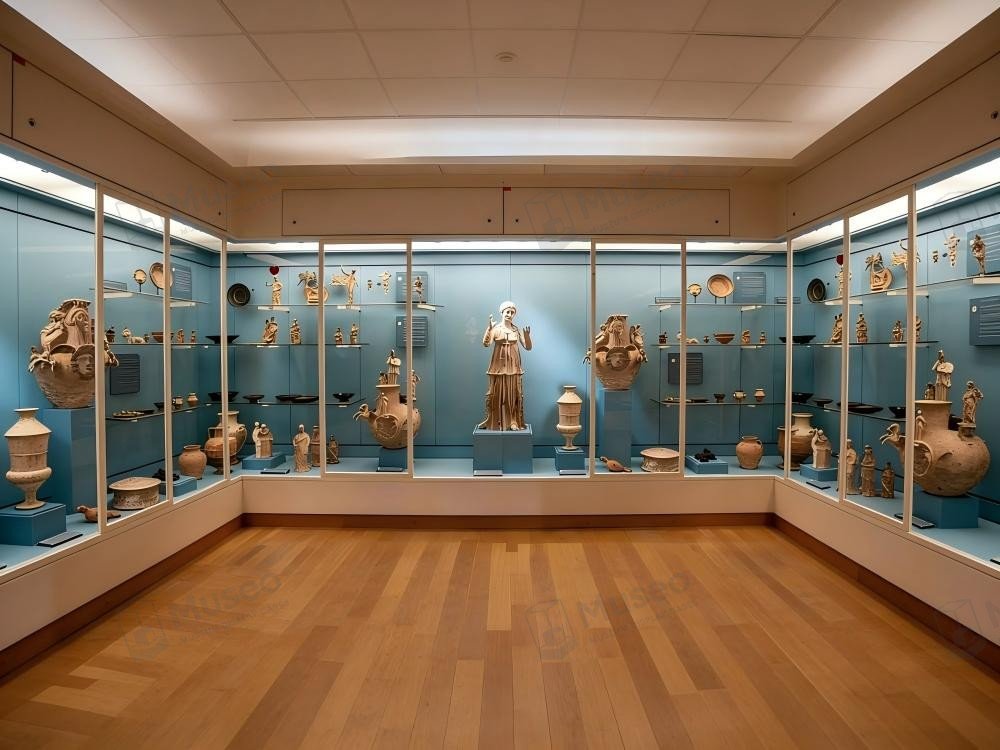
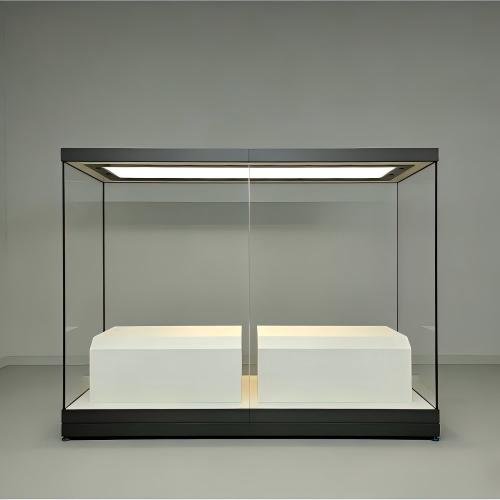
For ancient Greek pottery, we used independent glass museum style display case. With a three‑sided or fully glass design, visitors can observe the details of the pottery from multiple angles. The low‑reflective glass significantly reduces glare, allowing viewers to clearly appreciate the colours and decorative patterns of the artefacts.
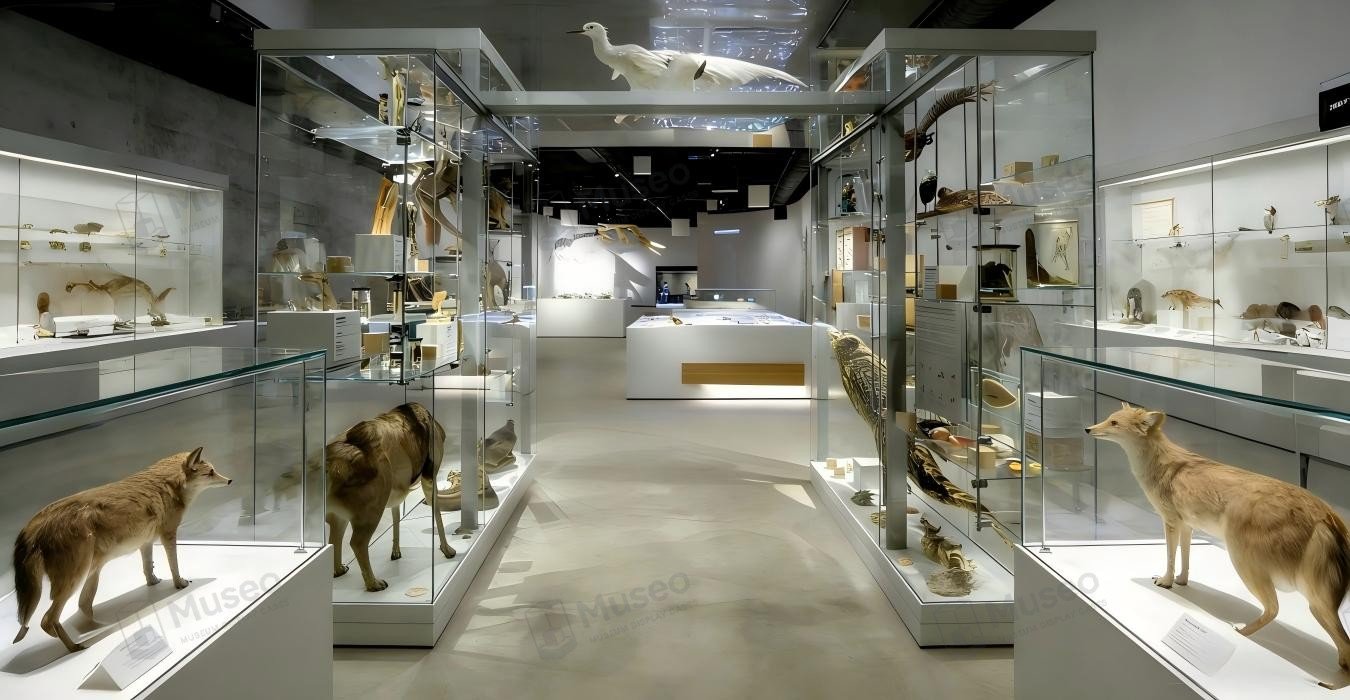
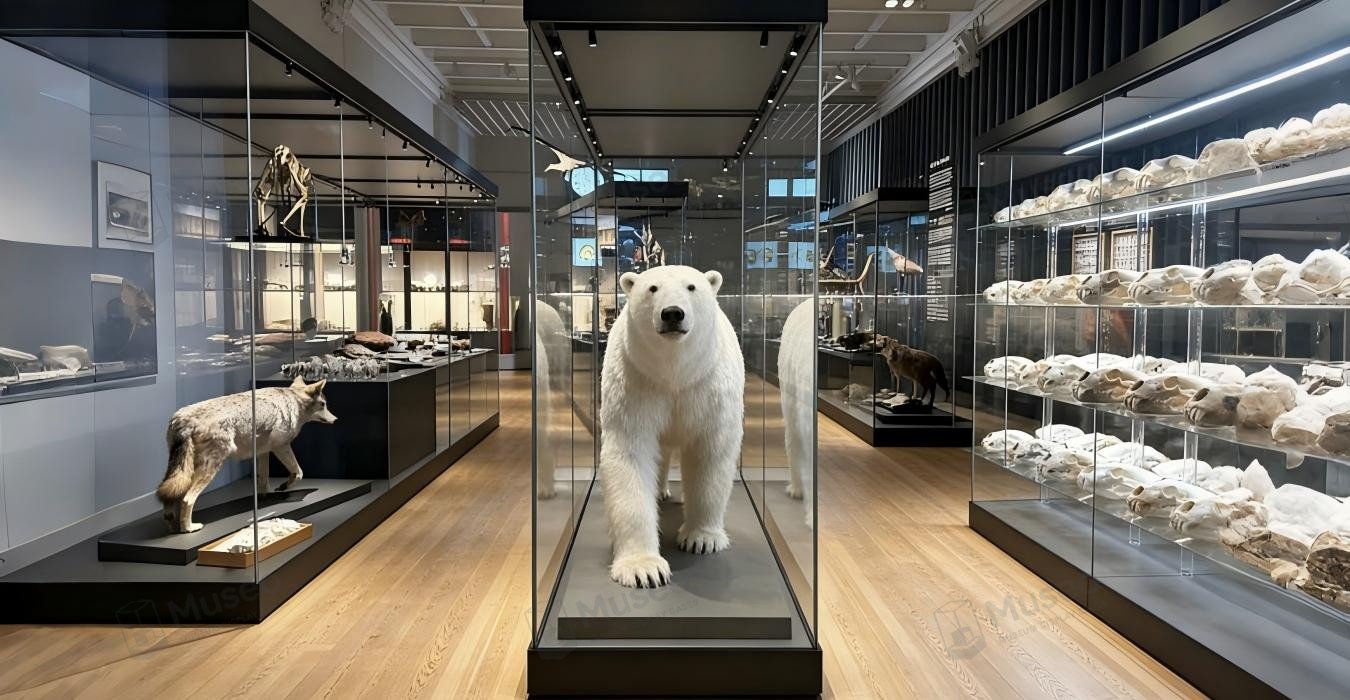
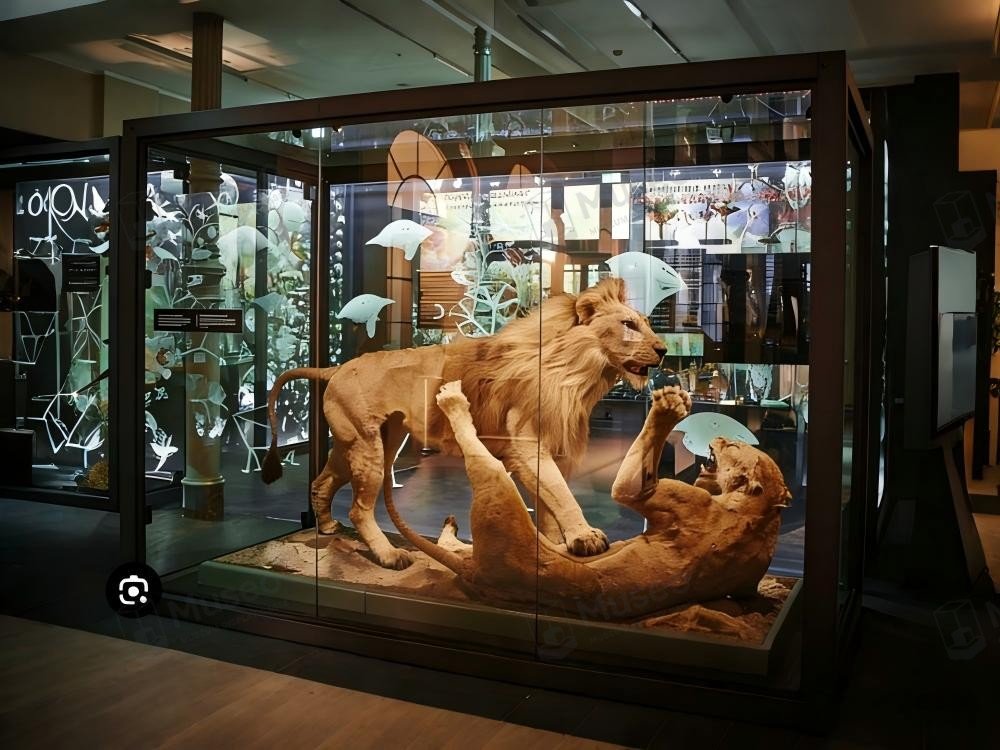
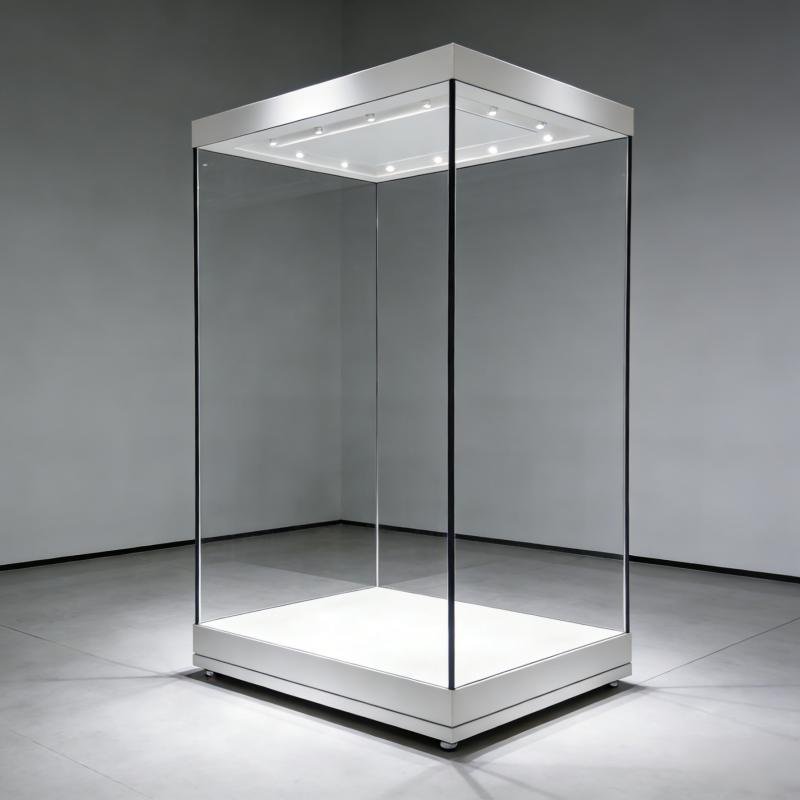
For animal specimens, we used independent panoramic tall museum style display case. Enclosed entirely with low‑reflective glass, they provide a 360° unobstructed view of the specimens, faithfully restoring the animals’ true forms. The sealed structure blocks dust, pests, and harmful gases, preventing contamination and corrosion of the specimens.
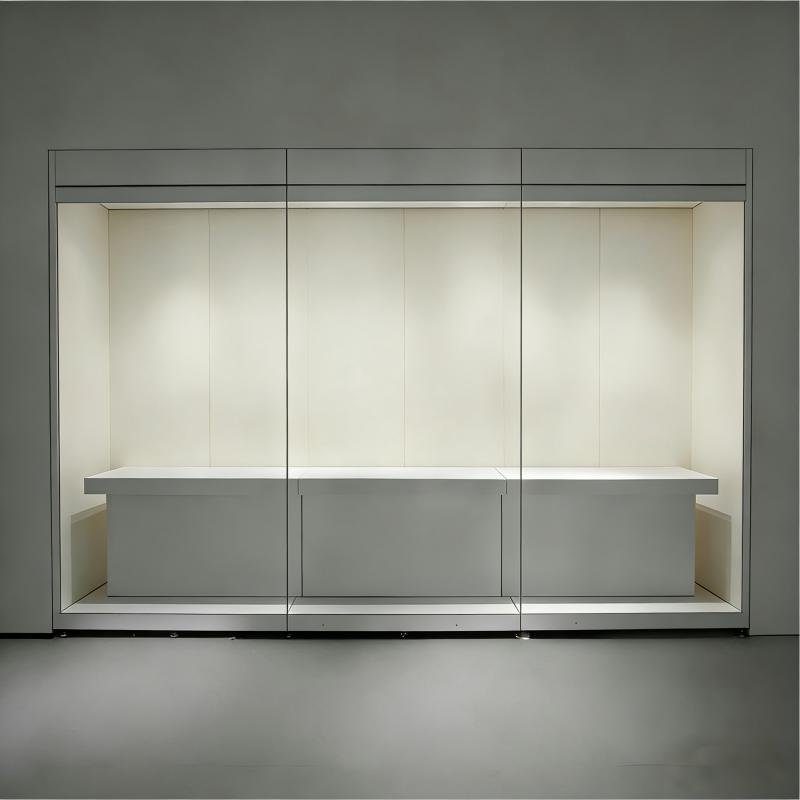
Display case types: To meet the diverse display requirements of different artifacts, we produced over 70 display cases across 13 different models for the museum, including fully enclosed glass museum exhibit cases, panoramic glass museum exhibit cases, and more.
For taxidermy specimens, we adopted fully enclosed glass display cases. The fully enclosed cubic structure, made of high-strength low-reflection glass and a metal frame, offers a 360° unobstructed view, allowing visitors to observe the specimens from multiple angles. It also accommodates the dimensions of large specimens and meets the requirements of contextual display.
For ancient Greek pottery artifacts, we adopted panoramic glass wall cases. These cases feature a design with low-reflective tempered glass and a white metal frame, providing a complete view of all artifacts inside. With multi-layer adjustable glass shelves and custom blue display stands, the artifacts are arranged in a layered manner based on their dimensions and display logic, highlighting the key large pieces.
Display Cases for the Project
PERGUNTAS FREQUENTES
1. Como trabalhamos com você? (Processo de pedido)
Enviar uma consulta → Discutir requisitos → Fornecer cotação → Pagar depósito → Projeto conceitual → Trabalho de desenho → Produção → Inspeção de qualidade → Embalagem → Pagar saldo → Envio.
2. Vocês podem fornecer uma cotação com base em nossos desenhos?
Sim, podemos fornecer serviços de fabricação personalizada e cotações de acordo com suas necessidades.
3. Você é uma fábrica e onde está localizada sua fábrica?
Sim, somos uma fábrica especializada na fabricação de adereços para exibição em museus há anos. Nossa fábrica está localizada na cidade de Guangzhou, na província de Guangdong. Visite-nos para uma inspeção!
4. Podemos fazer uma amostra para inspeção de qualidade antes de fazer um pedido?
Pedidos de amostra são aceitáveis, com taxa de amostra e custos de envio a cargo do cliente
5. Qual é o prazo de produção após a colocação de um pedido?
Após a confirmação do pedido, a produção geralmente é concluída em 35 dias úteis, sendo que o cronograma exato está sujeito à quantidade do pedido.
6. Quais são os termos de pagamento mais seguros e o índice de depósito?
Oferecemos suporte a métodos de pagamento seguros: T/T (transferência telegráfica) e Alibaba International Station Trade Assurance. É necessário um depósito de 50%, e o saldo deve ser pago antes do envio.
7. Podemos providenciar a inspeção de qualidade antes do envio?
Com certeza! Sua equipe de QC ou agências terceirizadas são bem-vindas para inspeção no local. Temos nosso próprio sistema de inspeção de qualidade antes da embalagem para garantir a qualidade do produto; se você não estiver disponível para verificações no local, podemos fornecer relatórios de inspeção conforme necessário.
ENTRE EM CONTATO
ENTRE EM CONTATO
Entre em contato conosco, obtenha a folha de cotação e saiba mais sobre notícias e informações