Royal Ontario Museum
Toronto City, Canada 2024.8
The core exhibition theme of the Royal Ontario Museum can be summarized as: “The Boundless Integration of Art, Culture, and Nature.” By placing natural history specimens spanning hundreds of millions of years alongside anthropological artifacts from global civilizations within the same space, the museum seeks to explore the intrinsic connections between the evolution of the Earth and the progress of human civilization, guiding visitors to establish a profound cognitive link between the past, present, and future.
Founded in 1914, the Royal Ontario Museum is one of the largest museums in North America and a world-leading institution for research and exhibition. With the implementation of the “OpenROM” renovation plan in 2024, the museum aims to break traditional boundaries through architectural renewal and exhibition upgrades, creating a more open, interconnected, and dynamic public cultural space.
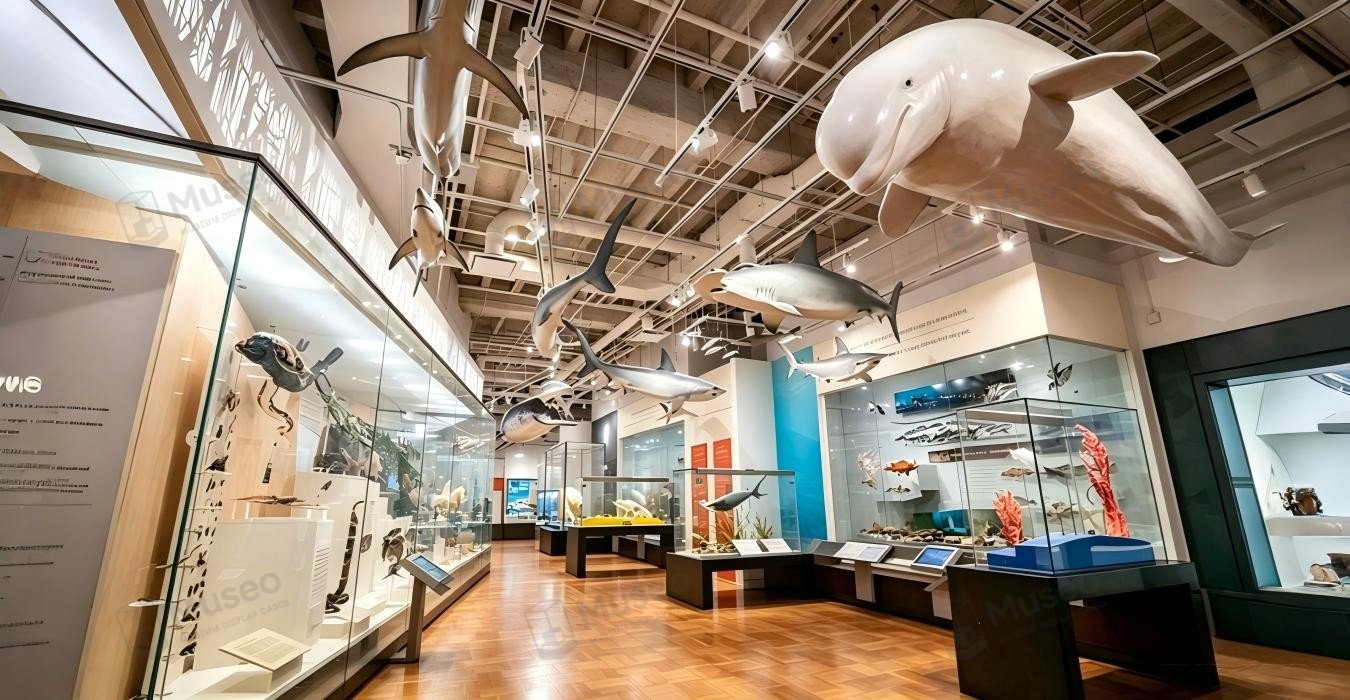
After the completion of our project, the Royal Ontario Museum has the following plans for the future: It will fully advance the “OpenROM” vision, committing to transform the museum into a 24/7 free urban cultural hub through the remodeling of physical spaces. Key priorities include the continuous expansion of exhibition areas and the deep integration of interdisciplinary narratives. By integrating digital interactive technologies, the museum aims to break down the boundaries between art, culture, and nature. With more transparent and flexible display systems, the museum’s collection of 18 million treasures will be connected to the public in a more open and intelligent way.
The Royal Ontario Museum has a total floor area of over 80,000 square meters and spans five floors. Its collection comprises approximately 18 million precious artworks, archaeological artifacts, and natural specimens.
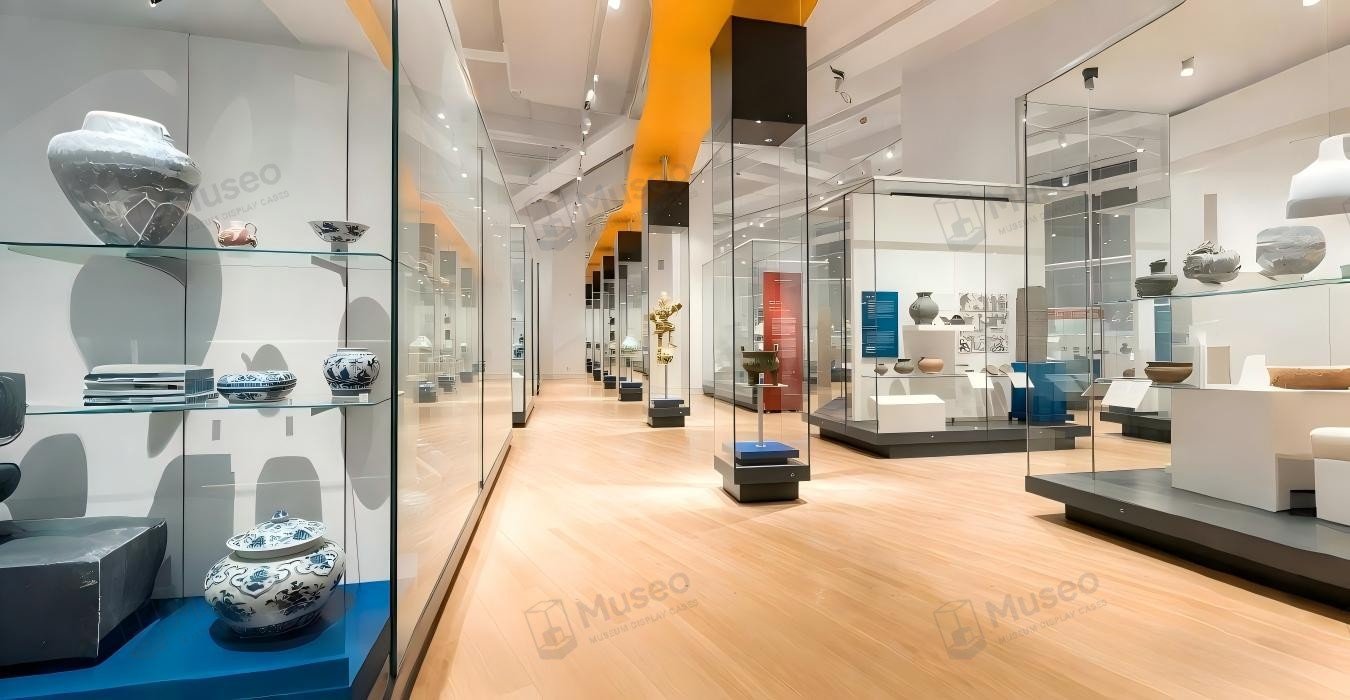
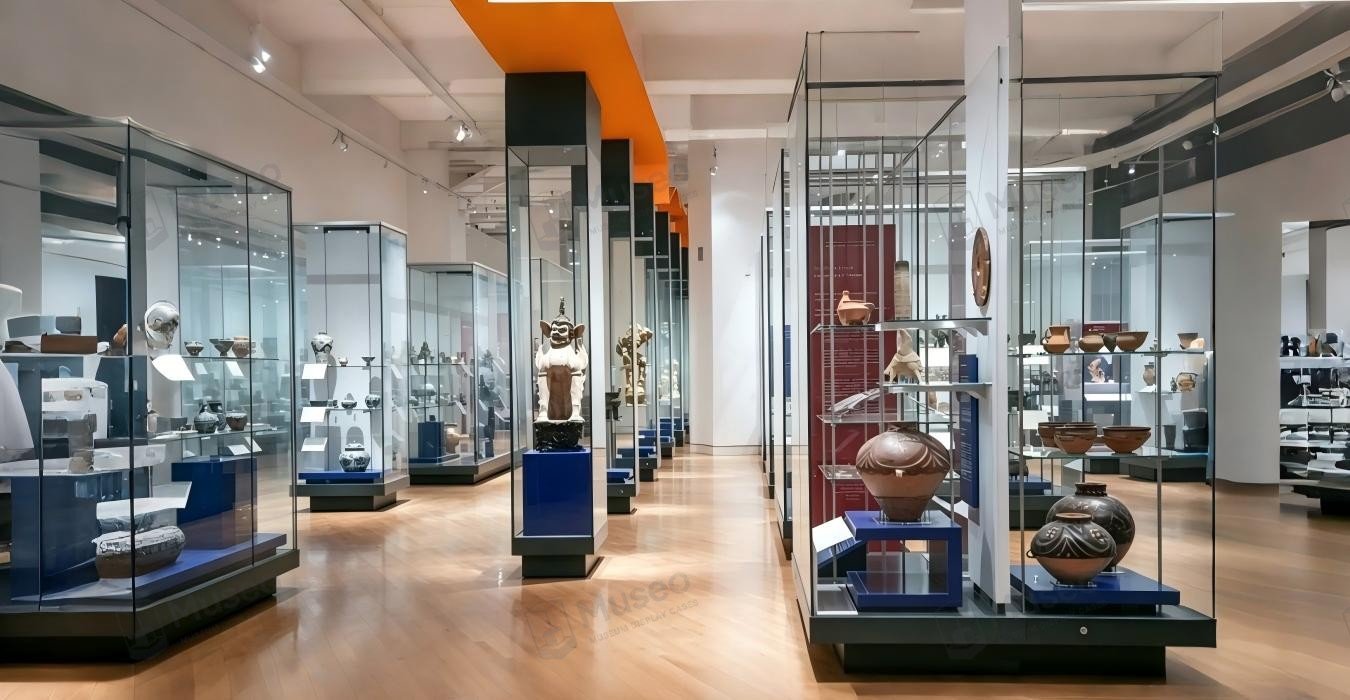
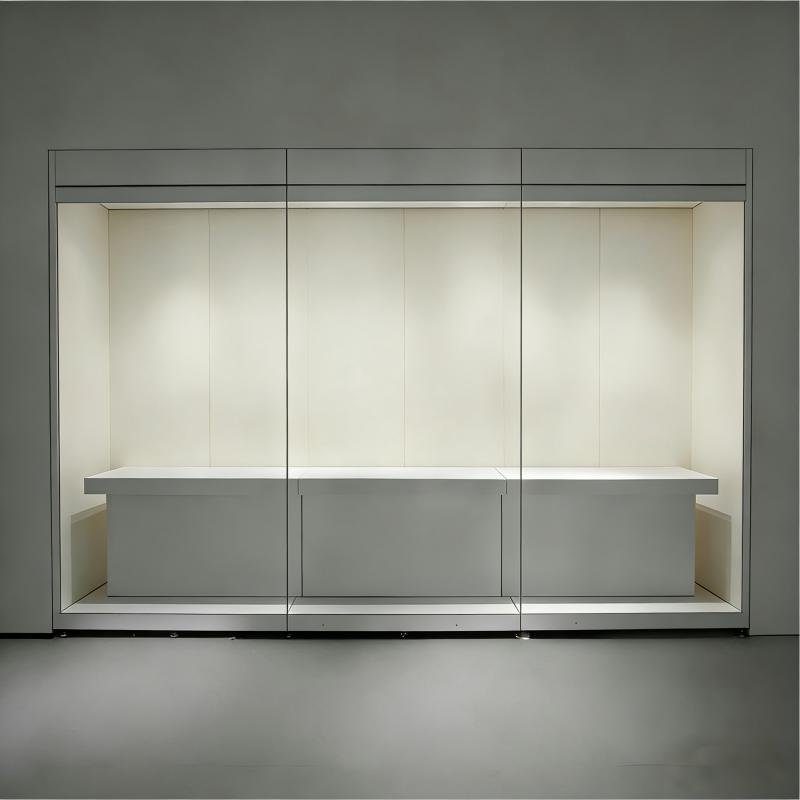
For the ceramic artifacts, we adopted wall-to-wall museum quality glass display cases. The multi-layered glass shelves allow for the tiered display of multiple ceramic pieces, maximizing the use of wall space and systematically presenting the differences in shape, decoration, and craftsmanship of blue-and-white porcelain, making it easy for visitors to appreciate them in sequence.
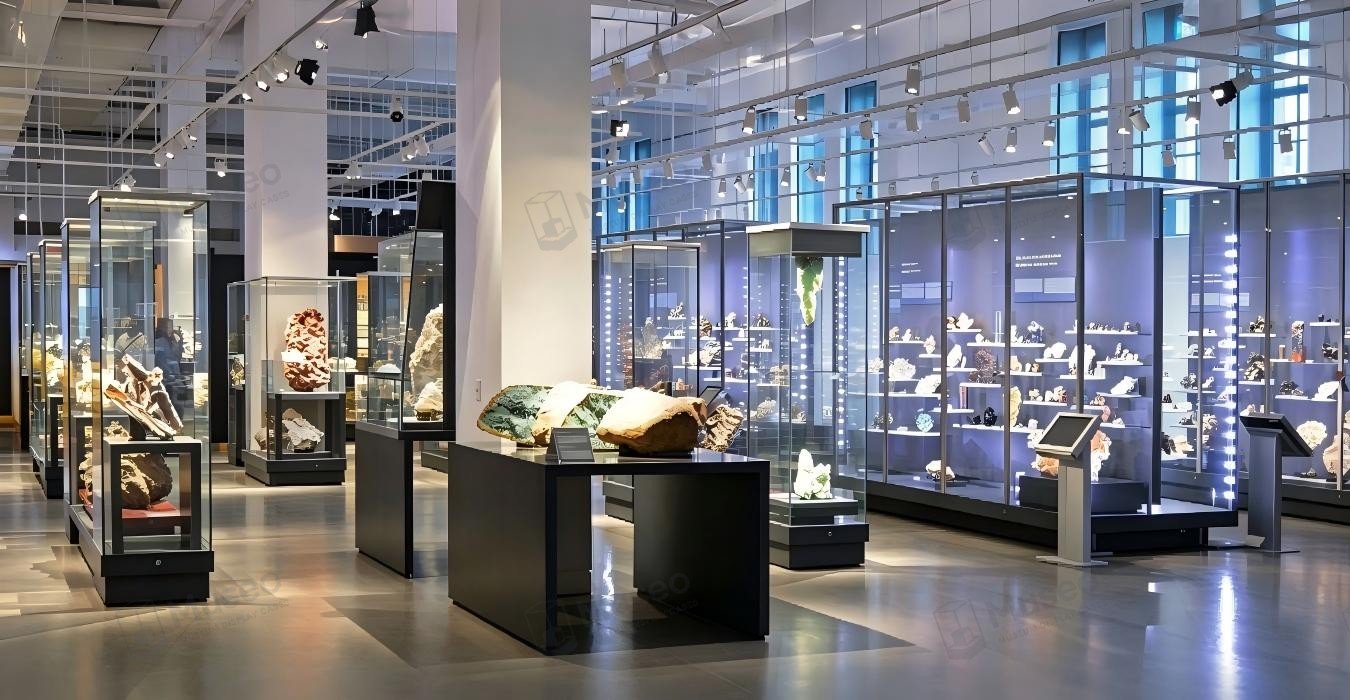
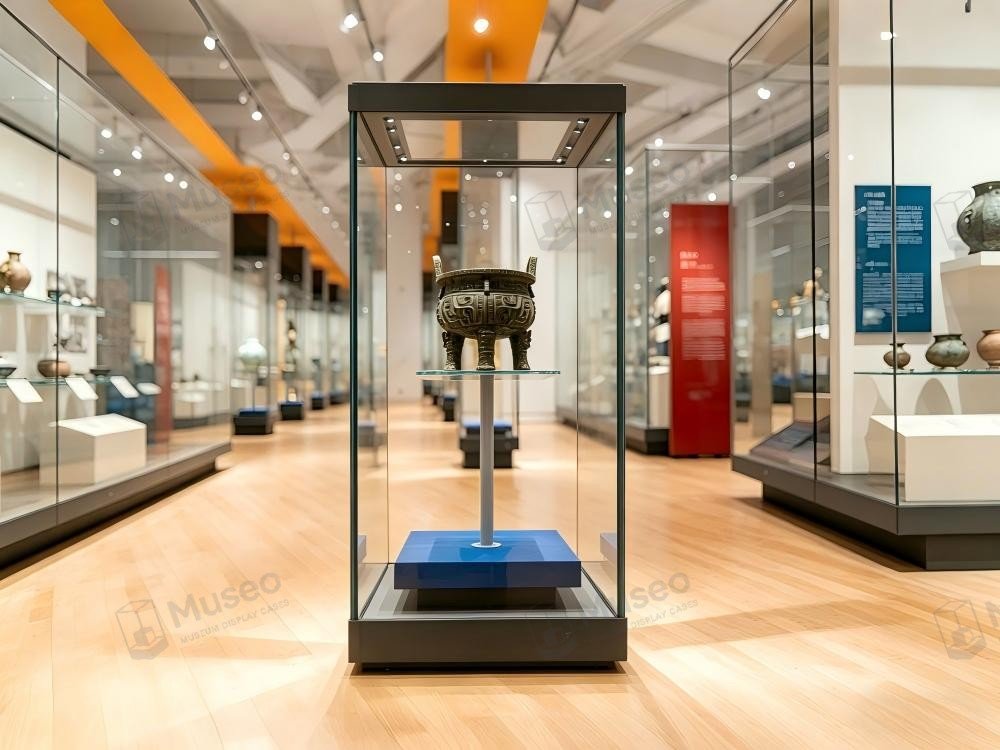
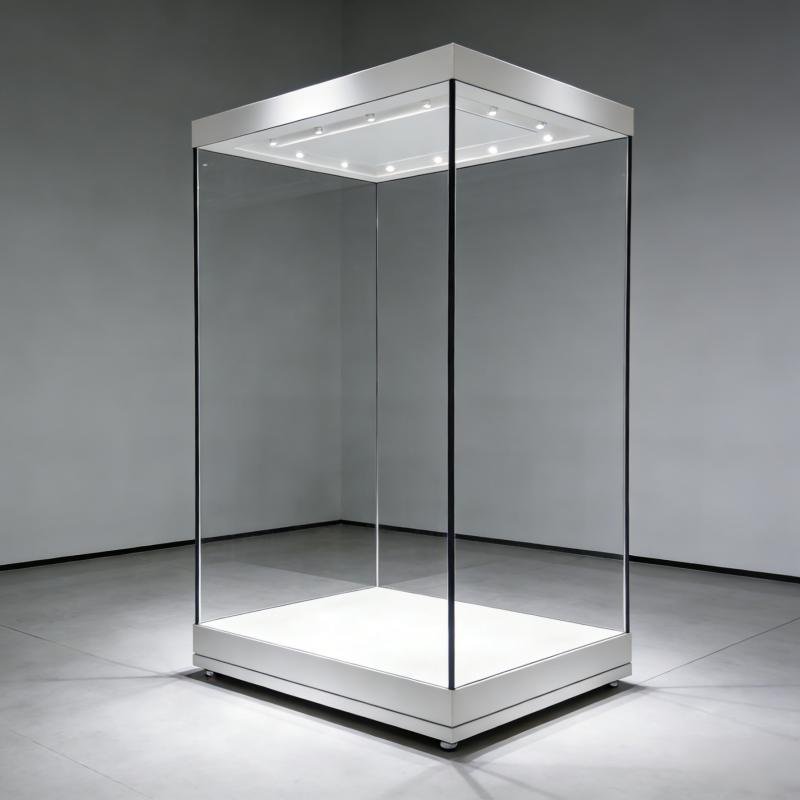
For the mineral and gem specimens, we used freestanding museum quality glass display cases. The four sides of low-reflection glass allow visitors to enjoy a 360-degree unobstructed view of the crystal structures and geode details of large mineral specimens. The high-strength glass and load-bearing base provide impact resistance and theft protection, preventing the specimens from being damaged by external forces.
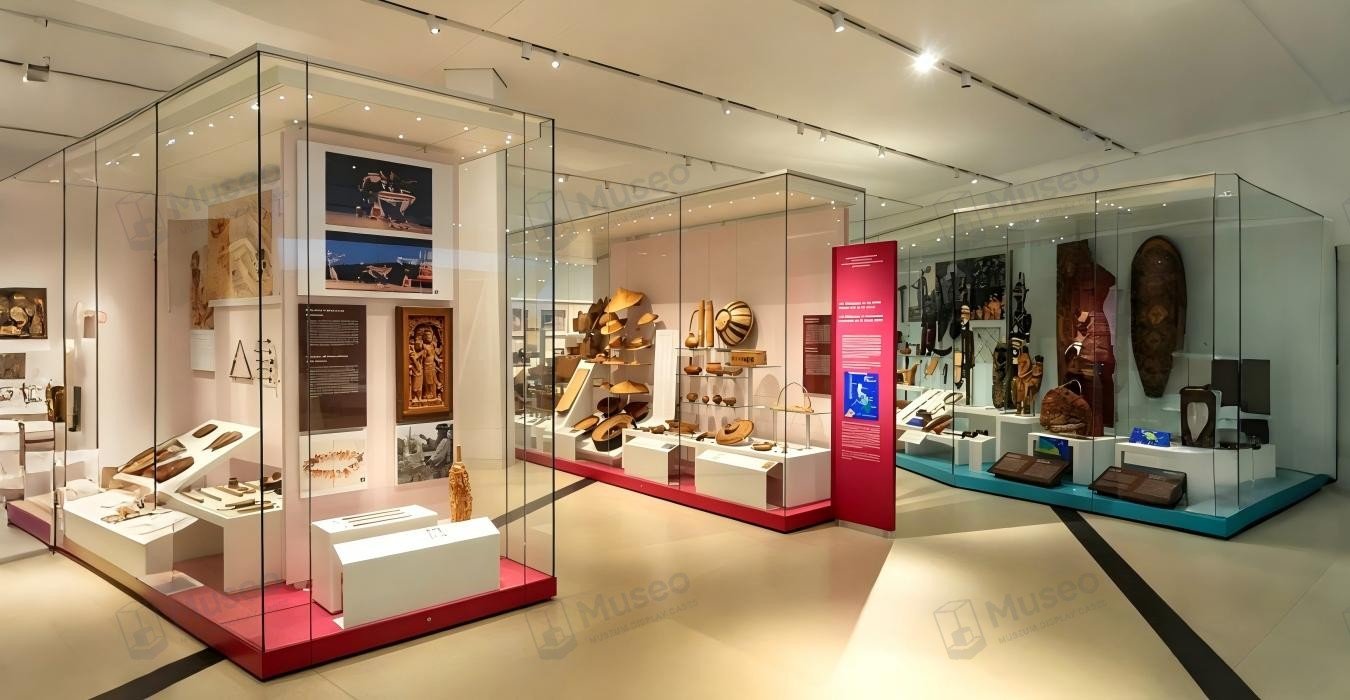
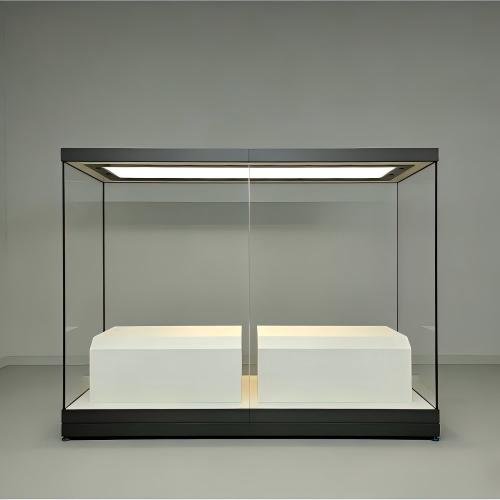
Display Case Types: To accommodate the diverse display requirements of various artifacts, we produced over 70 display cases in 13 different configurations for the museum, including wall-to-wall cases, freestanding cases, large panoramic freestanding flat cases, and more.
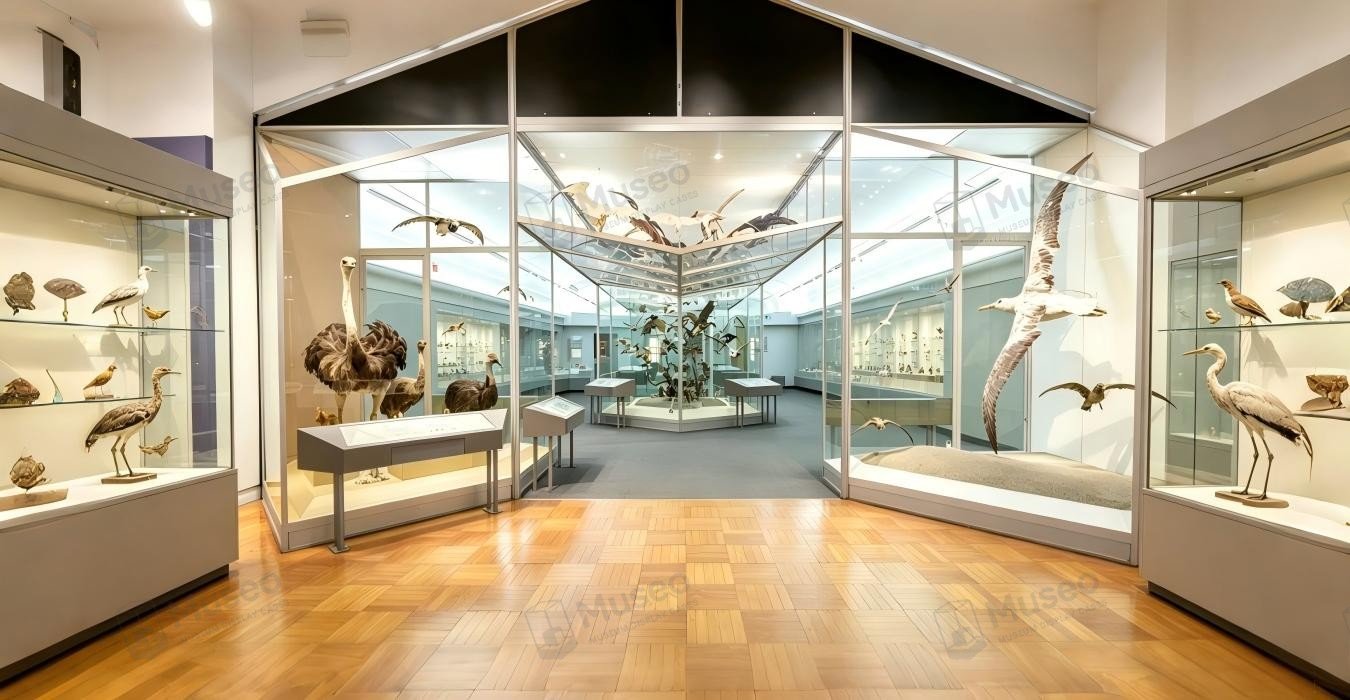
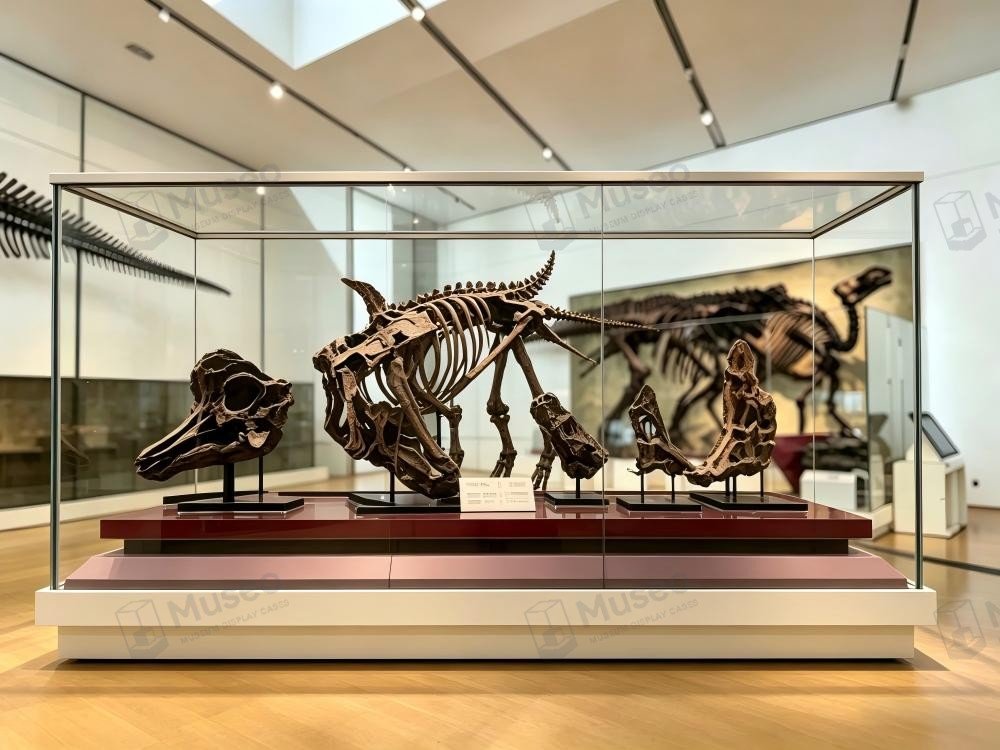
For taxidermy specimens, we adopted fully enclosed museum glass cabinets. The fully enclosed cubic structure, made of high-strength low-reflection glass and a metal frame, offers a 360° unobstructed view, allowing visitors to observe the specimens from multiple angles. It also accommodates the dimensions of large specimens and meets the requirements of contextual display.
For ancient Greek pottery artifacts, we adopted panoramic glass wall museum cabinets. These cases feature a design with low-reflective tempered glass and a white metal frame, providing a complete view of all artifacts inside. With multi-layer adjustable glass shelves and custom blue display stands, the artifacts are arranged in a layered manner based on their dimensions and display logic, highlighting the key large pieces.
Display Cases for the Project
PERGUNTAS FREQUENTES
1. Como trabalhamos com você? (Processo de pedido)
Enviar uma consulta → Discutir requisitos → Fornecer cotação → Pagar depósito → Projeto conceitual → Trabalho de desenho → Produção → Inspeção de qualidade → Embalagem → Pagar saldo → Envio.
2. Vocês podem fornecer uma cotação com base em nossos desenhos?
Sim, podemos fornecer serviços de fabricação personalizada e cotações de acordo com suas necessidades.
3. Você é uma fábrica e onde está localizada sua fábrica?
Sim, somos uma fábrica especializada na fabricação de adereços para exibição em museus há anos. Nossa fábrica está localizada na cidade de Guangzhou, na província de Guangdong. Visite-nos para uma inspeção!
4. Podemos fazer uma amostra para inspeção de qualidade antes de fazer um pedido?
Pedidos de amostra são aceitáveis, com taxa de amostra e custos de envio a cargo do cliente
5. Qual é o prazo de produção após a colocação de um pedido?
Após a confirmação do pedido, a produção geralmente é concluída em 35 dias úteis, sendo que o cronograma exato está sujeito à quantidade do pedido.
6. Quais são os termos de pagamento mais seguros e o índice de depósito?
Oferecemos suporte a métodos de pagamento seguros: T/T (transferência telegráfica) e Alibaba International Station Trade Assurance. É necessário um depósito de 50%, e o saldo deve ser pago antes do envio.
7. Podemos providenciar a inspeção de qualidade antes do envio?
Com certeza! Sua equipe de QC ou agências terceirizadas são bem-vindas para inspeção no local. Temos nosso próprio sistema de inspeção de qualidade antes da embalagem para garantir a qualidade do produto; se você não estiver disponível para verificações no local, podemos fornecer relatórios de inspeção conforme necessário.
ENTRE EM CONTATO
ENTRE EM CONTATO
Entre em contato conosco, obtenha a folha de cotação e saiba mais sobre notícias e informações