






In Taito Ward, Tokyo, nestled among a cluster of century-old machiya (traditional wooden townhouses), lies a niche artistic landmark: the Tokyo Ceramic Art Museum. Standing in the exhibition hall set to host the upcoming “Heian Period Yue Kiln Celadon Special Exhibition,” curator Yuko Sato ran her finger along the glare of the display case glass, her brow furrowed. “These secret-color porcelains on loan from Shōsōin in Nara are supposed to be ‘the gentlemen of ceramics,’ yet even the ice-crackle glaze patterns are swallowed up by the glass reflections…”
I. “Glaze Anxiety” from Kyoto
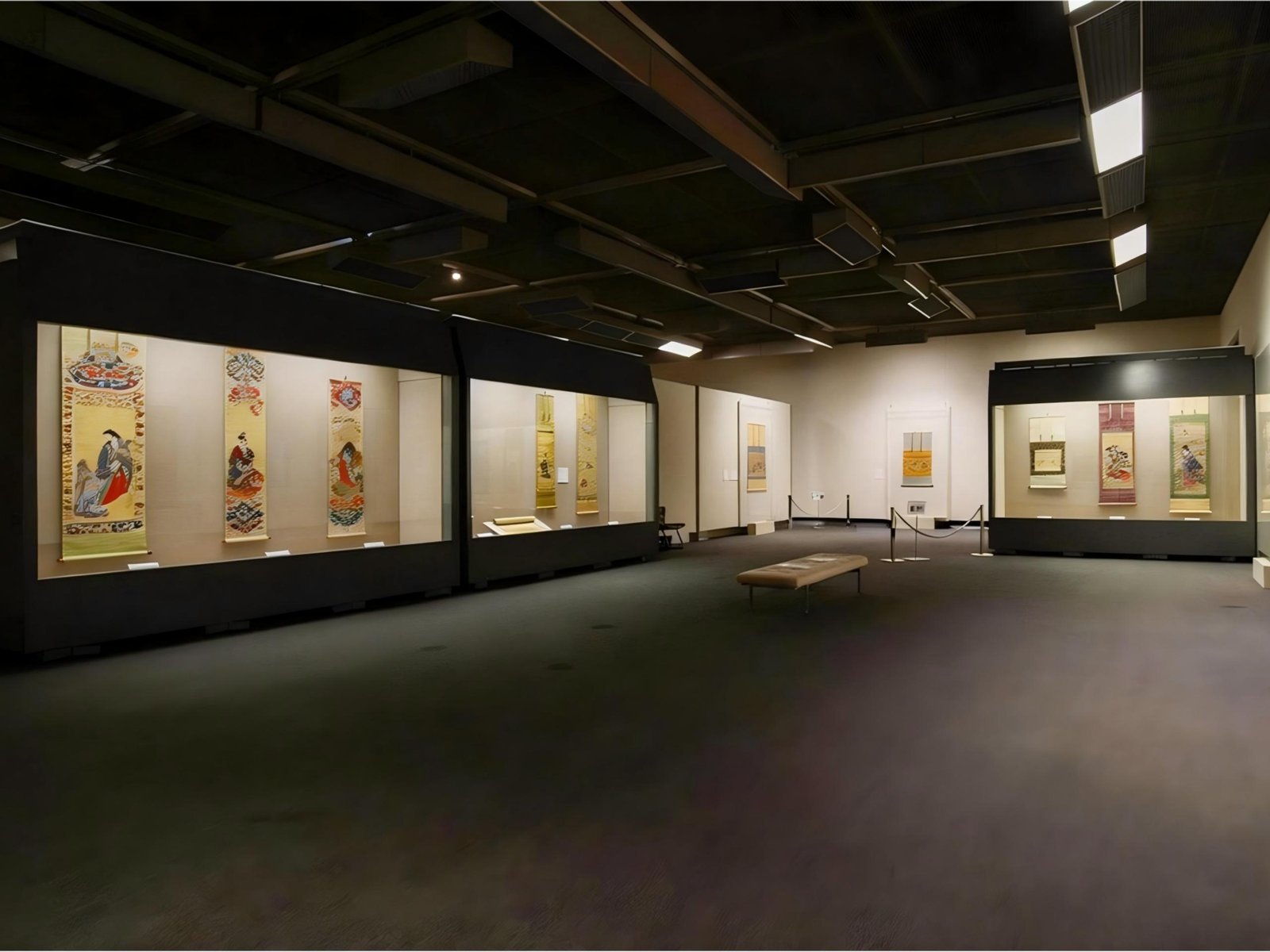
Sato’s frustration stemmed from the museum’s decade-old display cases—generic European-style models with overly bulky metal frames that made the elegance of Heian-period celadon feel cramped. The glass had a high reflectivity, forcing visitors to lean sideways at awkward angles just to catch a glimpse of the lotus patterns on the neck of a porcelain vase. Most critically, the cases lacked constant temperature and humidity control, leaving these “delicate” Tang Dynasty Yue kiln celadons exposed to unnecessary risk.
“What I need isn’t a ‘box for porcelain,’ but a stage where the glaze can ‘breathe,’” Sato wrote in her email to MUSEOShowcase, attaching a photo of her cherished Heian-period Ceramic Catalog—in it, celadon glowed with the soft clarity of autumn water under the diffused light of a Japanese tea room.
II. A “Minimalist Eastern” Custom Revolution
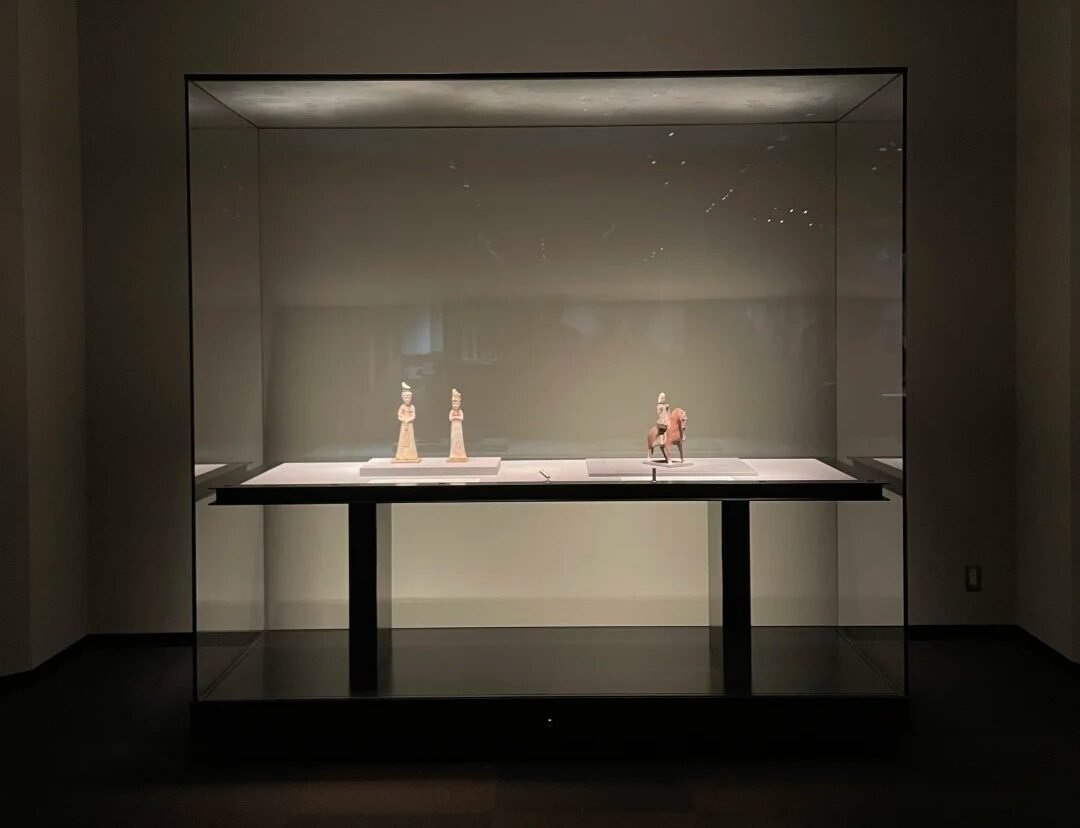
When David Lee (a Korean-American designer at MUSEOShowcase) read that email, he instantly grasped the core need: to make the display cases “invisible frames,” returning the artifacts’ Eastern aesthetics to the viewers.
1. The “Vanishing Act” of Glass
David’s team crafted wall-mounted cases for the museum using ultra-clear, low-reflective glass with 99.9% light transmittance. When the first set of cases was installed at Tokyo Ceramic Art Museum, Sato stood before a Tang Dynasty Yue kiln celadon ewer and felt her eyes sting—its sky-blue glaze shimmered softly under custom warm lighting, the subtle incised floral patterns on its belly were so clear they seemed touchable, and even the brushstrokes of the “official” (guan) seal on its base were visible in perfect detail. The “soul of the glaze,” once hidden by reflections, was finally fully revealed to visitors.
2. Lighting Inspired by “Wabi-Sabi”
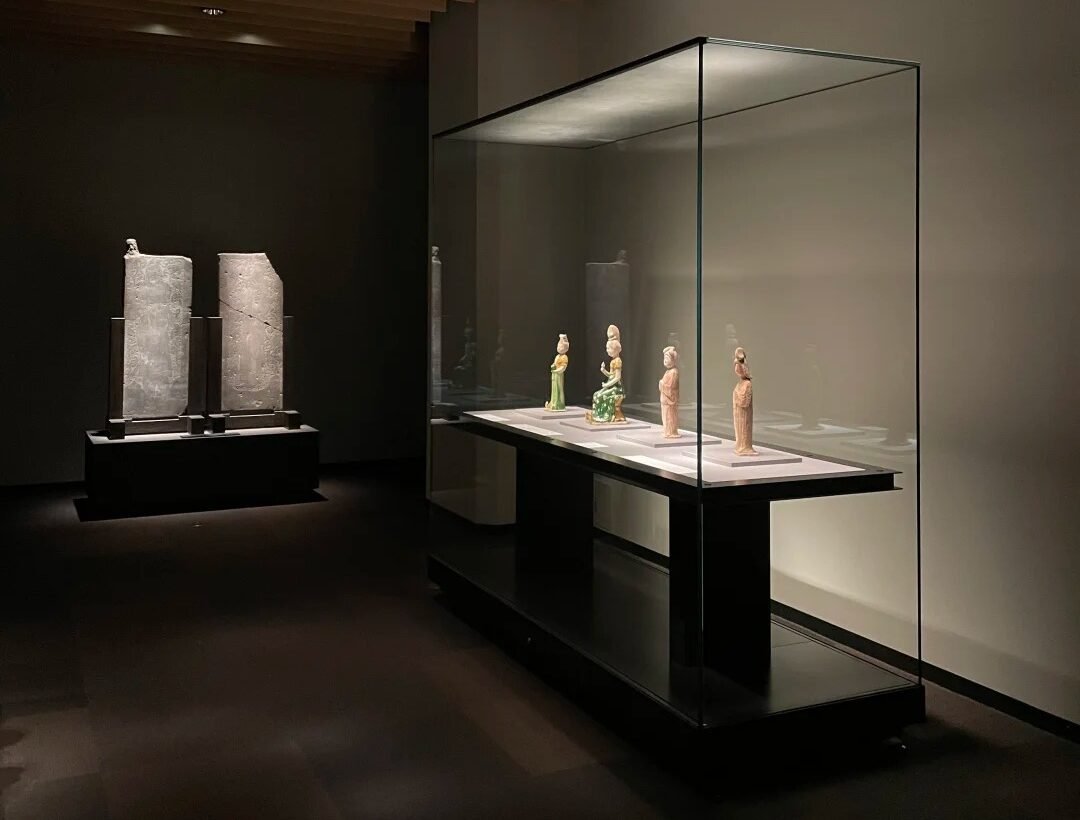
Tailored to Japanese ceramics’ “reverence for natural texture,” the team designed a recessed diffused lighting system. Light spilled gently from the top of the cases at a 45-degree angle, highlighting the layered ice cracks and brown spots in the celadon glaze without harshness that might damage the artifacts. “It’s like the evening glow in a Japanese garden—soft yet powerful,” Sato noted.
3. “Japanese-Style Harmony” in Space
The cases’ black metal frames were matte-finished and 30% thinner than the old ones, blending seamlessly with the museum’s Japanese-style interior of wooden lattice and white walls. “They’re no longer obtrusive ‘containers’ but architectural elements in the hall, echoing the negative space of Eastern aesthetics alongside the beams of machiya townhouses and shoji doors.”

III. Opening Day: A Millennium of Dialogue in Glaze
On opening day, rain drizzled over Tokyo. A white-haired elder stepped into the hall holding an umbrella, lingering before the Yue kiln ewer. He pulled a celadon cup—handcrafted by a contemporary ceramic artist—from his satchel. “My grandfather was a potter in Kyoto,” he said. “He always said, ‘Good porcelain’s glaze speaks.’ Today… I finally heard it.”
What delighted Sato even more was the reaction of younger visitors: “I never knew Heian-period celadon wasn’t just a black-and-white image in textbooks. Its glaze looks like it’s been rinsed in moonlight—it’s stunning!”
Standing in the center of the hall, watching those “invisible” wall-mounted display cases cradle thousand-year-old celadon, Sato suddenly realized: MUSEOShowcase had crafted more than just display cabinets—they had built a time-bridging “glaze corridor” that allowed the kiln fires of the Tang Dynasty Yue Kiln, in a Tokyo museum, to converse with modern viewers about beauty and craftsmanship.

Epilogue: When Display Cases Become Cultural Translators
For Tokyo Ceramic Art Museum, these custom wall cases are far more than “display tools”—they’re a “tangible expression of Eastern aesthetics,” a “emotional medium” between artifacts and audiences. As Sato wrote in her blog: “Great display cases are never bystanders. They are cultural translators, turning the silence of artifacts into a universal heartbeat.”
Next time you catch your breath at an artifact’s detail in a museum, glance at the case behind it—it might just be the secret to making history “speak.”